Not every bump on your face deserves the same treatment. If you’ve ever tried to pop a deep, painful lump that never comes to a head, you’ve likely dealt with cystic acne. Treating it like a regular whitehead can make things worse, sometimes leading to scarring or a longer healing window. Understanding the type of lesion you're handling is the first step toward actually calming your skin, not provoking it.
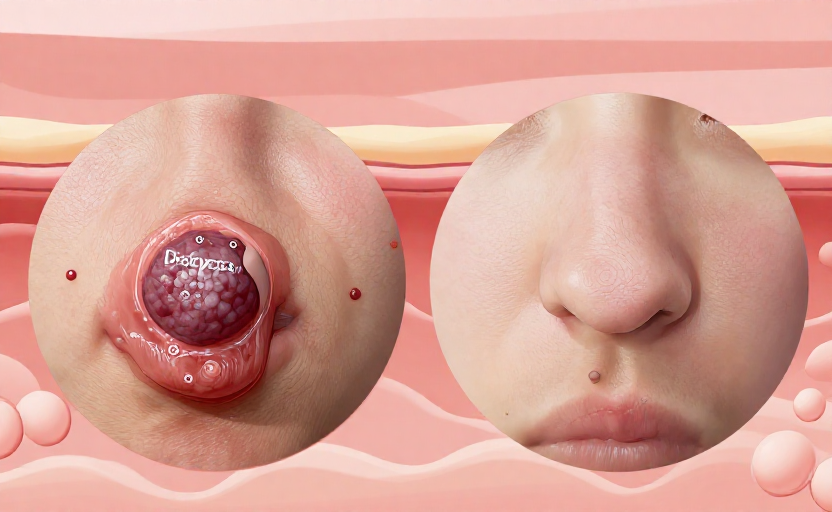
Classic comedonal or inflammatory pimples (blackheads, whiteheads, papules, pustules) sit closer to the skin's surface. Cysts, on the other hand, are large, red, and tender because the inflammation runs deep within the dermis. Below, dermatologists explain how to adjust your routine for each one without crossing into dangerous territory.
How to identify cystic acne vs. a regular pimple
Before you treat anything, know what you're dealing with. Regular pimples—especially papules and pustules—form when a pore gets clogged with oil and dead skin, then becomes inflamed. They can be unsightly but usually respond to spot treatments within a few days.
Cystic acne is a different animal. Derms look for these signs:
- Depth and feel: Cysts sit deep under the skin. They feel firm, sometimes almost rubbery, and often lack a visible whitehead.
- Pain level: If the bump aches or throbs even when you aren't touching it, that's a hallmark of cystic inflammation.
- Duration: A regular pimple might last 3–7 days. A cyst can linger for weeks—or even months—and often resurfaces in the same spot.
Dermatologist-approved care for regular pimples
For surface-level lesions, gentle exfoliation and targeted anti-inflammatory ingredients are key. Do not pick, squeeze, or lance at home. Instead, reach for these dermatologist-backed methods.
Use salicylic acid consistently
Beta-hydroxy acid (salicylic acid) penetrates oil-filled pores and helps loosen debris. A leave-on product with 0.5–2% is suitable for daily or every-other-day use. Use it as a cleanser or toner on the areas prone to whiteheads and blackheads.
Apply benzoyl peroxide
For pustules and red papules, benzoyl peroxide kills C. acnes bacteria and dries out the lesion quickly. Use a 2.5% or 5% gel as a spot treatment—avoid the 10% formulations, which can cause stinging and excess irritation without added benefit.
Add a retinoid at night
Adapalene (now available over-the-counter at 0.1%) is a gentle retinoid that speeds up cell turnover. Applied nightly after cleansing, it keeps pores clear and reduces the frequency of breakouts. Start every third night if your skin is sensitive.
“If a pimple has a visible head and is less than half a centimeter wide, stick to spot treatments. If it’s deep and angry, don’t touch it—see a dermatologist.” — Board-certified dermatologist, Dr. Elise Morrison
How to care for cystic acne safely
Cystic acne rarely responds to over-the-counter spot treatments alone. Because the inflammation is deep, you need approaches that reduce swelling from the inside out, or tools that a professional uses in-office.
Never try to pop or drain a cyst yourself
Attempting to pop a cyst can rupture the wall of the lesion, pushing bacteria and debris deeper into the dermis. This often leads to severe inflammation, a larger cyst, or permanent scarring. Leave drainage to a dermatologist—they can do an intralesional steroid injection or sterile extraction in minutes.
Use ice and anti-inflammatory soothers
Wrap an ice cube in a clean cloth and hold it on the cyst for 5–10 minutes at a time. This constricts blood vessels, reducing redness and pain. Also consider a pimple patch infused with hydrocolloid—though it won't draw out the deep core, it can protect the area from picking and absorb any surface drainage.
Consider prescription-strength treatment
If you’ve had more than two cystic lesions in the past month, book a visit. Derms often prescribe oral antibiotics (tetracyclines) for a short course, spironolactone for hormonal breakouts in women, or isotretinoin for severe, recalcitrant cysts. Topical clindamycin or dapsone gel can also calm deeper inflammation.
Routine adjustments for both conditions
Whether you have surface pimples or deep cysts, some rules apply to everyone.
- Choose non-comedogenic moisturizers: Even acne-prone skin needs hydration. A gel-based or oil-free moisturizer with ceramides or niacinamide helps protect the skin barrier without clogging pores.
- Wash twice a day, gently: Over-washing strips the skin and triggers more oil production. Use lukewarm water and a sulfate-free cleanser.
- Avoid harsh scrubs and alcohols: Physical exfoliation (like scrubs with walnut shells) can rupture existing cysts and spread bacteria. Don’t use high-concentration alcohol toners, which disrupt the skin barrier and worsen redness.
- Watch your diet and stress levels: High-glycemic foods and dairy can aggravate acne in some people, while stress elevates cortisol, boosting oil production. Keep a food diary for a few weeks to see if you notice a flare pattern.
When to see a dermatologist
Some signs suggest it’s time for professional help:
- You have more than three cystic lesions at once.
- Breakouts are leaving dark marks or scars.
- Over-the-counter products have not improved your skin after three months of consistent use.
- You are concerned about underlying hormonal issues (e.g., irregular periods, excess facial hair, worsening before your cycle).
Dermatologists have access to tools and prescriptions that can stop a cyst in its tracks. Intralesional Kenalog injections (low-dose corticosteroids) can shrink a large cyst within 24–48 hours, and they significantly reduce the risk of scarring.
“The number one mistake I see is people treating a deep cyst like a whitehead—picking it, burning it with high-concentration acids, then wondering why it got bigger. Respect the depth of the lesion.” — Dermatologist Dr. Rachel Cheng
Taking care of acne is a long game. Small adjustments—like swapping out a physical scrub for a gentle cleanser, or swapping a picking habit for an ice cube—can transform the healing process. Cystic acne is not your fault, and it doesn’t automatically mean you need harsh drugs. But it does require a different strategy than a run-of-the-mill pimple. Respect the difference, and your skin will thank you.