
Discovering you are pregnant while living with diabetes brings a mix of emotions—joy, excitement, and often a fair amount of concern. You may wonder how your blood sugar levels will affect your baby, or how your current routine needs to shift. The good news is that with careful planning and close medical guidance, many women with pre-existing diabetes go on to have healthy pregnancies. The key is to adjust your management plan early, before conception if possible, but certainly as soon as you know you are pregnant.
Pregnancy changes nearly every aspect of diabetes care: how your body responds to insulin, what your target blood glucose ranges should be, and even the types of medications that are safe to use. This article walks through the most important adjustments you and your healthcare team will make, focusing on safety for both you and your growing baby. Remember, every pregnancy is unique, so all changes should be made under the supervision of your obstetrician, endocrinologist, and a registered dietitian or diabetes educator.
Why pregnancy changes your diabetes management
During pregnancy, your body produces hormones from the placenta that can make your cells more resistant to insulin. This is a normal part of pregnancy, but for someone with pre-existing diabetes—whether type 1 or type 2—it means insulin needs often increase significantly, especially after the first trimester. Blood sugar targets also get tighter because high glucose levels early in pregnancy can raise the risk of birth defects, and later on can lead to excessive fetal growth (macrosomia), preterm labor, or preeclampsia.
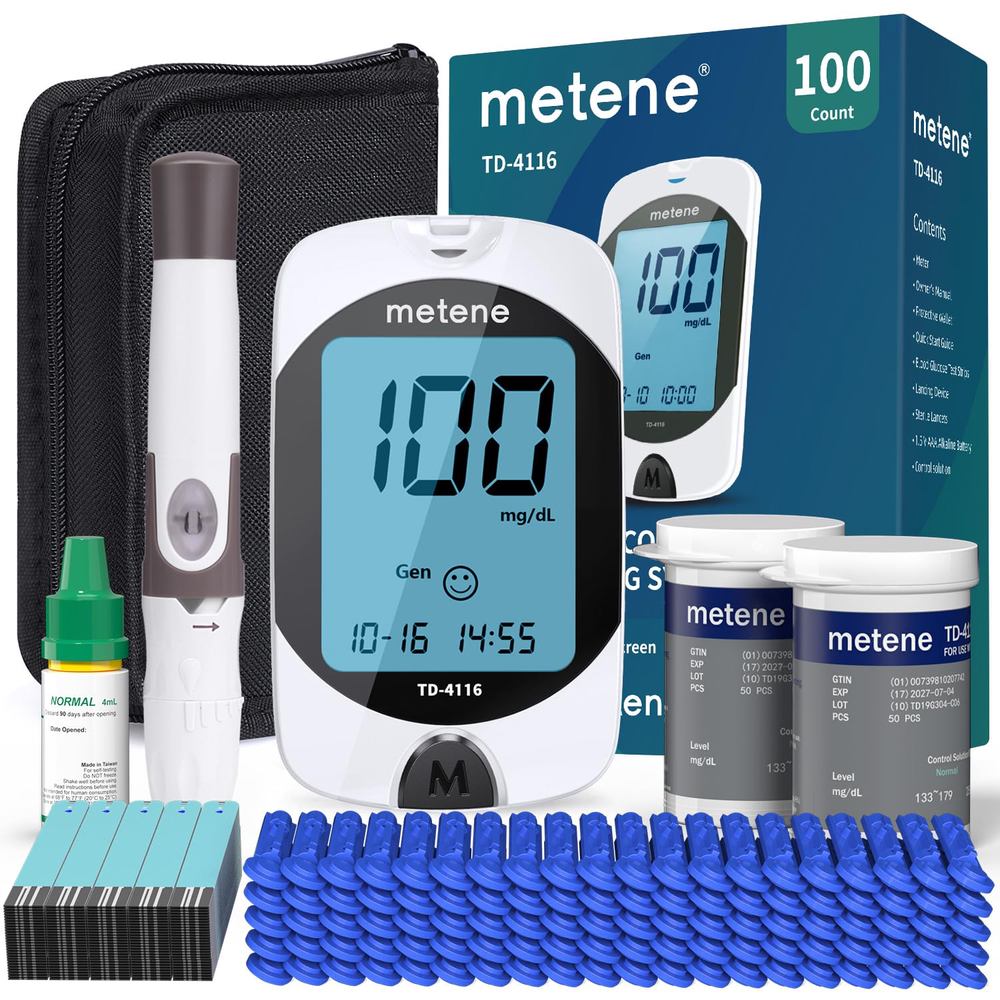
Even if you had well-controlled diabetes before pregnancy, you will likely need to check your blood sugar more frequently—sometimes up to eight to ten times a day—to stay within the recommended range. Your care team will adjust your insulin regimen accordingly, and you may need to switch from oral diabetes medications to insulin if you haven't already done so.
Key areas of your diabetes plan to adjust
1. Blood glucose targets
Non-pregnant targets for blood glucose are typically less strict than those recommended during pregnancy. The American Diabetes Association generally advises the following goals for women with pre-existing diabetes during pregnancy:
- Fasting blood glucose: 70–95 mg/dL
- One hour after meals: 110–140 mg/dL (some guidelines suggest up to 140 mg/dL)
- Two hours after meals: 100–120 mg/dL
These numbers are lower than what you might be used to, especially the pre-meal and fasting goals. Achieving them often requires a combination of tighter insulin dosing and careful meal timing. Your team may ask you to record your levels in a log or use a continuous glucose monitor (CGM) to spot trends and adjust basal and bolus insulin rates.
2. Medications: moving toward insulin
If you manage type 2 diabetes with oral medications such as metformin, sulfonylureas, or SGLT2 inhibitors, your doctor will likely recommend switching to insulin during pregnancy. Metformin is sometimes continued off-label under specialist advice, but most other oral agents lack sufficient safety data for pregnancy. Insulin remains the gold standard because it does not cross the placenta in significant amounts and can be fine-tuned to meet changing needs. For people with type 1 diabetes, you will continue insulin via injections or an insulin pump, but doses will need frequent adjustments—often weekly or even daily in the third trimester.
A key caveat: do not stop or change any medication without speaking to your healthcare provider. Some diabetes drugs that are safe before pregnancy can be harmful to a developing fetus.
3. Nutrition and meal planning
Your diet will need to support both stable blood sugars and the nutritional demands of pregnancy. This means working with a dietitian to build a plan that includes adequate protein, healthy fats, fiber, and controlled carbohydrates. Many women find that eating smaller, more frequent meals—three meals plus two or three snacks—helps avoid large glucose spikes. Focus on low-glycemic-index carbohydrates such as whole grains, legumes, and non-starchy vegetables. It is also important to include a source of folic acid, iron, calcium, and vitamin D, often through a prenatal vitamin.
Carbohydrate counting becomes even more important, as it allows you to match your insulin dose to the amount of carbs you eat. Your target carbohydrate intake per meal may be lower than what you are used to, so keep a food log and share it with your dietitian.
4. Physical activity
Exercise is safe and encouraged during a diabetes pregnancy, provided your doctor gives the green light. Regular activity helps improve insulin sensitivity and can reduce the rise in post-meal blood sugar. Aim for 150 minutes of moderate-intensity aerobic activity per week, such as brisk walking, swimming, or stationary cycling. Avoid activities with a high risk of falls or abdominal trauma. Always check your blood sugar before and after exercise—pregnancy can alter glucose responses—and keep a fast-acting carbohydrate source handy.
Potential complications and how to reduce risk
Women with pre-existing diabetes face a higher risk of certain pregnancy complications. Understanding these can empower you to take preventive steps:
- Preeclampsia: High blood pressure with protein in the urine. Close monitoring of blood pressure, low-dose aspirin (if prescribed by your doctor), and good glycemic control all help lower the risk.
- Macrosomia (large baby): Tight blood sugar control in the second and third trimesters reduces the likelihood of the baby growing too large, which can lead to a difficult delivery.
- Neonatal hypoglycemia: Your baby may have low blood sugar shortly after birth due to high insulin production in response to your high glucose levels. This is managed with early feeding and monitoring in the hospital.
The best protective measure is consistent, as-close-to-normal blood glucose levels throughout pregnancy. That means staying on top of your monitoring, insulin adjustments, and meal plan every single day.
Work with a specialized team
Pregnancy with diabetes is not something you should navigate alone. A high-risk obstetrician (maternal-fetal medicine specialist), an endocrinologist, a diabetes educator, and a registered dietitian should all be part of your care network. They will collaborate to adjust your plan as your pregnancy progresses, typically scheduling visits every one to four weeks. Your team can also help with emotional support—many women feel overwhelmed by the constant attention to blood sugar. It is okay to ask for help with stress or anxiety; mental health is an important part of diabetes management.
Preparing for labor, delivery, and beyond
As you near your due date, your diabetes plan will shift again. During labor, you may receive insulin and intravenous dextrose to keep glucose levels stable. After delivery, insulin requirements usually drop dramatically—often within 24 to 48 hours—because the placenta and its hormones are gone. If you had type 2 diabetes and were on insulin during pregnancy, you may be able to return to your pre-pregnancy medications after breastfeeding is established, but this must be discussed with your doctor.
Breastfeeding is recommended for all women, and especially for those with diabetes, as it may lower your baby's future risk of developing type 2 diabetes. It also helps stabilize your own blood sugars and can support weight loss after pregnancy. Continue to monitor your glucose levels during breastfeeding, as they may drop more quickly in response to nursing.
Adjusting your diabetes management after a pregnancy diagnosis is a significant undertaking, but it is one you can handle with the right support and information. Start by scheduling a visit with your diabetes and pregnancy care team as soon as possible. Update your blood glucose targets, review your medications, and commit to a meal and activity plan that works for you. With diligent management, the vast majority of women with pre-existing diabetes deliver healthy babies and return to their regular diabetes routine after the postpartum period.