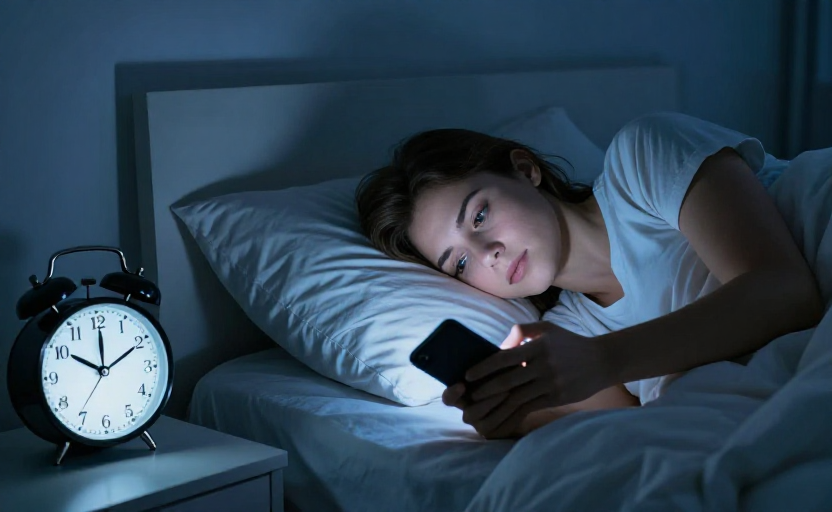
You climb into bed, turn off the light, and wait. Five minutes pass. Then ten. Your mind starts reviewing the day, planning tomorrow, worrying about that thing you said in 2017. Before you know it, thirty minutes have gone—and you're still awake.
That stretch of time between your head hitting the pillow and actually falling asleep has a name: sleep latency. And it turns out this brief window matters a lot more than most people realize—especially when it comes to how well your body recovers overnight.
This guide covers what sleep latency is, how it connects to recovery, and what you can do about it without resorting to complicated sleep hacks or rigid rules.
What is sleep latency, exactly?
Sleep latency is the medical term for how long it takes you to transition from full wakefulness to sleep. In a sleep lab, it's measured from the moment the lights go out to the first signs of stage one sleep on an EEG.
For most healthy adults, a normal sleep latency falls somewhere between ten and twenty minutes. Fall asleep much faster than that—consistently in under five minutes—and it may signal that you're running on a sleep debt. Take longer than twenty to thirty minutes on a regular basis, and you might be dealing with insomnia or poor sleep hygiene.
But here's where it gets interesting: sleep latency isn't just a number on a sleep tracker. It's a direct window into your nervous system's ability to shift gears—from the alert, sympathetic "fight or flight" mode into the restful, parasympathetic "rest and digest" state.
How sleep latency affects physical recovery
Recovery isn't just about total sleep time. The quality of that sleep—and how quickly you enter the deeper stages—matters immensely.
When you fall asleep within a healthy latency window, your body moves more smoothly through the sleep cycle. You reach slow-wave sleep (deep sleep) sooner. That's the stage where tissue repair happens, growth hormone is released, and your immune system gets to work. A short but reasonable latency helps you maximize time in these restorative phases.
On the other hand, prolonged sleep latency cuts into your recovery in two ways:
- You lose actual sleep time. If it takes you an hour to fall asleep every night, that's seven hours of lost recovery time over the course of a week.
- Your sleep architecture gets disrupted. Lying awake with a racing mind keeps your cortisol levels elevated, which interferes with the hormonal cascade needed for deep sleep.
This helps explain why people who struggle with sleep onset often wake up feeling unrefreshed, even if they spent a full eight hours in bed.
Mental recovery and emotional regulation
Sleep latency also affects how your brain processes the day. During REM sleep—which follows a period of deep sleep—your brain consolidates memories and processes emotions. Delayed sleep onset can throw off the timing of your REM cycles, making it harder to shake off stress or learn from experiences.
There's also the psychological toll. Lying in bed, watching the minutes tick by, can create anxiety about not sleeping. That anxiety itself becomes a barrier to sleep, creating a frustrating feedback loop that can erode your sense of control over rest.
A quick note on context: Occasional nights with longer sleep latency are normal—especially after a stressful day or a late workout. It becomes a problem when it's a pattern that lasts weeks or months.
What influences sleep latency?
Several factors play a role in how quickly you drift off. The good news is that many of them are within your control.
Your evening routine (or lack thereof)
The hour before bed matters. Bright screens, intense conversations, or mentally demanding tasks can keep your brain in an alert state. A wind-down period of thirty to sixty minutes with dimmer lighting and calmer activities helps nudge your nervous system toward sleep.
Caffeine and alcohol timing
caffeine can linger in your system for hours. A 3 PM coffee might still be affecting you at 10 PM. Alcohol might make you feel drowsy initially, but it fragments sleep later in the night and can actually increase sleep latency in the second half of the night.
Room temperature and noise
A slightly cool room—around 65 to 68 degrees Fahrenheit—helps your body temperature drop, which is a natural signal for sleep onset. Unexpected noises or a partner's snoring can also extend sleep latency by keeping your brain on alert.
Stress and racing thoughts
This is probably the most common culprit. When your mind is busy replaying the day or planning tomorrow, it's difficult to let go. Creating a mental buffer—through simple journaling, a repetitive activity like knitting, or a guided relaxation exercise—can shorten that delay significantly.
Practical ways to improve your sleep latency
You don't need a perfect sleep routine. Small, consistent adjustments are more effective than drastic overhauls. Here are some evidence-based approaches:
- Create a consistent wake-up time. This anchors your circadian rhythm more than any other habit. When your body knows when to expect morning, it can better time its evening signals.
- Use light strategically. Get bright light exposure early in the day and dim lights in the evening. Consider warm-toned bulbs or lamps instead of overhead LEDs after sunset.
- Stop watching the clock. If you can't sleep, get out of bed after about twenty minutes and do something quiet in dim light until you feel drowsy. This prevents your brain from associating the bed with frustration.
- Try a short cognitive shuffle. Some people find that mentally listing items in a category (animals starting with each letter, for instance) distracts the brain from anxious thoughts without being stimulating enough to keep you alert.
- Keep a notepad by the bed. Writing down racing thoughts or tomorrow's tasks can offload them from your mind without requiring a full journaling session.
When to seek professional help
If you consistently struggle with sleep latency despite trying reasonable strategies for several weeks, it's worth talking to a healthcare provider. Chronic difficulty falling asleep may be a sign of insomnia disorder, restless leg syndrome, or another underlying condition that benefits from targeted treatment—such as cognitive behavioral therapy for insomnia (CBT-I), which is the first-line recommended approach.
Sleep is deeply personal, and there's no single right way to do it. But understanding how sleep latency fits into your overall recovery can help you make small, compassionate adjustments that actually stick.
This article is for educational purposes only and does not substitute for professional medical advice. If you're concerned about your sleep health, consult a qualified healthcare provider.