Your toothbrush works hard every day, sweeping away plaque, food particles, and bacteria. But like any tool, it wears down. Using a frayed, worn-out brush doesn't just feel less effective—it can actually leave your teeth and gums at risk. So, how often should you swap it out for a fresh one? The answer is simple and backed by dental professionals everywhere.
The standard recommendation is every three to four months. But that timeline can shift depending on how you brush, what kind of brush you use, and whether you've been sick. Let's break down the signs it's time for a change and why sticking to a schedule matters for your overall health.
Why three months is the sweet spot
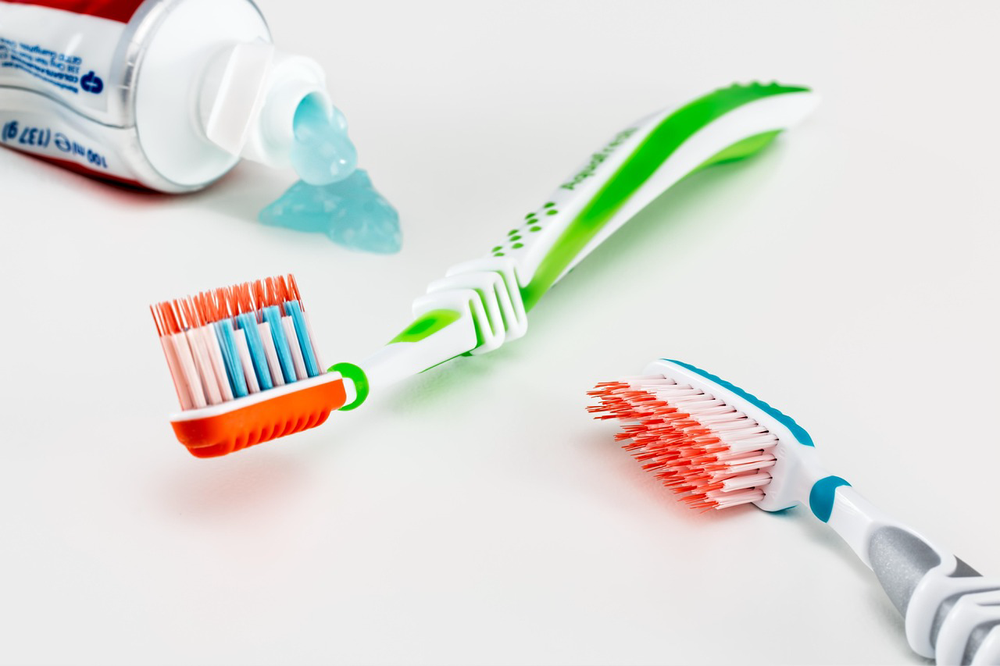
Think of your toothbrush bristles as small cleaning fingers. Over time, they bend, splay, and lose their stiffness. A 2013 study in the Journal of Dental Hygiene found that after three months of normal use, bristles are significantly less effective at removing plaque compared to a new brush. Once bristles become misshapen, they can't reach into the grooves of your molars or along the gumline as efficiently.
Bacteria also accumulate on the handle and bristles over time. While your immune system usually handles the small number of germs on your own brush, a fresh brush reduces the bacterial load you reintroduce into your mouth every morning and night.
Signs you need to replace your toothbrush sooner
Three months is a guideline, not a strict deadline. Here are clear signals that it's time to toss your current brush, even if you haven't hit the three-month mark:
- Frayed or bent bristles. If the bristles look pushed out to the sides or resemble an exploded paintbrush, they're no longer cleaning effectively. Brushing harder doesn't help—it often makes the wear worse and can damage your gums.
- You've been sick. After a cold, flu, strep throat, or any contagious illness, replace your toothbrush. Germs can linger on the bristles and potentially reinfect you or a family member if brushes touch.
- Visible discoloration or debris. If the base of the bristles or the handle has mold, mildew, or stubborn residue that won't rinse away, it's time for a new one.
- You or a child have an electric brush head. The same three-month rule applies—electric brush heads wear out just like manual ones. Most brands include indicator bristles that fade to remind you.
Does your brushing technique affect how long a brush lasts?
Absolutely. People who brush aggressively often shred their bristles in six to eight weeks. If you notice rapid fraying, it's a clue that you might be pressing too hard. Aggressive brushing can erode enamel and cause gum recession over time. Switching to a brush with softer bristles and using lighter pressure can extend the life of your brush and protect your teeth.
On the flip side, people who brush very gently may find their bristles stay neat for months beyond the usual recommendation. Even if the bristles look perfect after six months, they still accumulate bacteria and lose some cleaning power. Stick to the three-month rule regardless of appearance.
A quick tip: Set a recurring reminder on your phone or calendar for every three months. Many people sync it with the start of a new season—March, June, September, December.
Special considerations for kids and electric brushes
Children's toothbrushes
Kids often chew on their brushes, which can destroy bristles in weeks. Check your child's brush monthly. If the bristles look flattened or separated, replace it immediately. Smaller brush heads also wear out faster because they cover less surface area with each stroke.
Electric toothbrush heads
Electric brush heads require the same three-month replacement schedule. Many models have blue indicator bristles that fade to white as you brush, serving as a visual cue. Don't wait until the bristles look completely worn—replace them as soon as the color fades halfway.
What happens if you wait too long?
Using an old toothbrush doesn't cause immediate harm in most cases, but it reduces your cleaning efficiency. Plaque that isn't thoroughly removed hardens into tartar, which can only be removed by a dental professional. Over time, poor plaque control contributes to cavities, gingivitis, and more serious gum disease.
A worn brush may also irritate your gums rather than clean them. Jagged, bent bristles can scratch delicate gum tissue, leading to tenderness or bleeding. If you notice your gums bleeding more often, your toothbrush might be part of the problem.
How to make your toothbrush last between replacements
- Rinse thoroughly after each use. Hold the brush under tap water and rub the bristles with your thumb to remove leftover toothpaste and debris.
- Store upright and let it air-dry. Don't keep it in a closed container or travel case for long periods—moisture encourages bacterial growth.
- Don't share toothbrushes. Sharing transfers saliva and bacteria, including cavity-causing germs.
- Replace after any illness. This is the most important rule for preventing reinfection.
Your toothbrush is a small investment with a big payoff. Replacing it every three months keeps your brushing effective, reduces bacterial buildup, and supports healthier teeth and gums between dental visits. If you've lost track of when you last swapped yours, now is a great time to start fresh.