Heavy menstrual bleeding is a common experience, but for many, it’s hard to know where the line is between a heavy period and a sign that something needs medical attention. You might wonder if your flow is just part of your normal cycle or a signal worth discussing with your doctor. Understanding the specific warning signs can help you make that distinction with more confidence.
Medically known as menorrhagia, heavy bleeding is more than just an inconvenience. It can significantly impact your quality of life, energy levels, and overall health if left unaddressed. The key is to look beyond just the volume of blood and pay attention to a combination of factors that, together, paint a clearer picture of your health.
What qualifies as "heavy" bleeding?
While every person's cycle is unique, there are clinical benchmarks that help define menorrhagia. It’s not solely about feeling like you're changing your pad or tampon too often, though that can be part of it. Heavy bleeding typically involves one or more of the following patterns over several cycles:
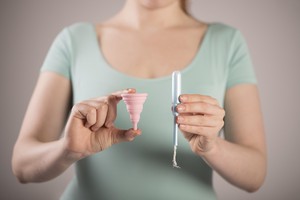
- Needing to change your pad or tampon every 1-2 hours for several consecutive hours.
- Passing blood clots that are larger than a quarter.
- Bleeding that lasts longer than seven days.
- Needing to use double protection (like a tampon and a pad) to control the flow.
- Experiencing bleeding that soaks through your bedding or clothing.
If your period consistently disrupts your daily activities—causing you to miss work, avoid social plans, or live in fear of leaks—it’s a significant sign that your flow is outside the typical range.
Key warning signs that warrant a doctor's visit
Certain symptoms, especially when they occur alongside heavy bleeding, are strong indicators that you should schedule an appointment. These signs suggest the bleeding may be linked to an underlying condition that requires diagnosis and management.
Signs of anemia
Chronic blood loss can deplete your body's iron stores, leading to iron-deficiency anemia. This isn't just about feeling tired; it's a specific set of symptoms caused by your blood's reduced ability to carry oxygen. Be mindful of:
- Persistent fatigue and weakness that doesn’t improve with rest.
- Pale skin, particularly noticeable in your gums or the inside of your lower eyelids.
- Shortness of breath or heart palpitations with minimal exertion.
- Dizziness or lightheadedness.
- Unusual cravings for non-food items like ice, dirt, or starch (a condition called pica).
Pelvic pain and pressure
Severe cramping is one thing, but new or intense pelvic pain, a feeling of fullness or pressure in your lower abdomen, or pain during intercourse can point to conditions like fibroids, adenomyosis, or endometriosis. These conditions often cause both pain and heavy bleeding.
Bleeding between periods or after menopause
Any bleeding that occurs outside your regular menstrual cycle is considered abnormal and should always be evaluated. This includes spotting between periods or any vaginal bleeding after you have reached menopause.
Other systemic symptoms
Pay attention to how you feel overall. Unexplained weight changes, significant bloating, or a fever accompanying your period are not typical and should be mentioned to your healthcare provider.
What causes heavy menstrual bleeding?
Heavy periods are a symptom, not a diagnosis itself. Several underlying conditions can be the root cause. Your doctor will consider possibilities such as:
- Uterine fibroids: Noncancerous growths in the uterine wall that can increase surface area and blood flow.
- Hormonal imbalances: Conditions like polycystic ovary syndrome (PCOS), thyroid disorders, or perimenopause can disrupt the normal cycle of ovulation and endometrial buildup.
- Adenomyosis: When the tissue that normally lines the uterus grows into the muscular wall, causing thickening, pain, and heavy bleeding.
- Endometriosis: Similar tissue growing outside the uterus, which can cause severe pain and irregular bleeding.
- Polyps: Small, benign growths on the uterine lining.
- Bleeding disorders: Conditions like von Willebrand disease, which affect the blood's ability to clot properly.
- Certain medications: Blood thinners or anti-inflammatory drugs can sometimes contribute.
In some cases, no specific cause is found, which is known as dysfunctional uterine bleeding. Even then, effective management strategies are available.
How to prepare for your doctor's appointment
Being prepared can make your visit more productive. Before your appointment, consider tracking your cycle for a month or two. Note the days you bleed, rate your flow (light, medium, heavy, very heavy), record the number of pads or tampons you use in a day, and document any pain or other symptoms. This concrete data is far more helpful than a general description.
Write down a list of questions you have. You might want to ask about potential causes, what diagnostic tests (like blood work, ultrasound, or biopsy) might be recommended, and what the range of treatment options looks like for your situation and future fertility goals.
Your experience is valid data. Don't downplay your symptoms. Telling your doctor, "My period controls my life for a week each month," is a powerful and legitimate starting point for the conversation.
Recognizing the warning signs of problematic heavy bleeding is an act of self-care. It moves the experience from one of silent endurance to informed awareness. While a heavy flow can be common, suffering from its effects does not have to be. A conversation with your doctor is the first step toward finding both answers and relief.