Managing a period that brings significant pain or heavy bleeding can feel overwhelming. You’re not just navigating discomfort; you’re trying to find relief that’s effective, safe, and accessible. Over-the-counter (OTC) medications are often the first line of defense, offering a way to take back some control over your day. This guide walks you through the practical, safe use of common OTC options, helping you understand what they do, how to use them correctly, and when it’s crucial to look beyond the pharmacy aisle.
Understanding the pain and the flow
Before reaching for a pill, it helps to know what you’re treating. Menstrual cramps, or dysmenorrhea, are primarily caused by prostaglandins—hormone-like substances that make the uterus contract to shed its lining. Higher levels can mean more intense, painful contractions. Heavy menstrual bleeding, clinically called menorrhagia, involves losing more than 80 milliliters of blood per cycle or having periods that last longer than seven days. It can be caused by hormonal imbalances, uterine fibroids, polyps, or other conditions. The goal of OTC therapy is to manage these symptoms effectively while you go about your life.
Your primary OTC options for relief
The pharmacy shelf holds two main categories of medication useful for menstrual symptoms: nonsteroidal anti-inflammatory drugs (NSAIDs) and acetaminophen. They work in distinctly different ways.
NSAIDs: Targeting the source
NSAIDs, like ibuprofen (Advil, Motrin) and naproxen sodium (Aleve), are typically the most effective OTC choice for menstrual pain. They work by reducing the production of those pain-causing prostaglandins. This doesn’t just ease the cramping; it can also lessen the overall menstrual flow. For the best results, don’t wait for the pain to become severe.
Start taking an NSAID at the very first sign of cramps or bleeding, and continue on a regular schedule (as directed on the label) for the first 2-3 days of your period.
Acetaminophen: Easing the pain
Acetaminophen (Tylenol) is an effective pain reliever and fever reducer, but it doesn’t have anti-inflammatory properties. It won’t reduce prostaglandin levels or lighten flow, but it can help dull the sensation of cramping pain. It’s a suitable option if you cannot take NSAIDs due to stomach sensitivity or certain health conditions.
A practical guide to safe use
Safety is paramount with any medication. Following these guidelines helps ensure you get the benefit without unnecessary risk.
- Read the label every time. Adhere strictly to the recommended dosage and timing. Never take more than the maximum daily dose.
- Choose one. Do not take two different NSAIDs together (like ibuprofen and naproxen). Do not take an NSAID and acetaminophen together unless specifically directed by a healthcare provider.
- Take with food. To minimize stomach upset, always take NSAIDs with a small snack or a full glass of milk or water.
- Be duration-aware. Use OTC pain relievers for the shortest period needed. If you find yourself relying on them for more than a few days each month, it’s a sign to consult a doctor.
Who should avoid or use caution with NSAIDs?
NSAIDs are not safe for everyone. You should avoid them or speak with a doctor or pharmacist first if you:
- Have a history of stomach ulcers, bleeding disorders, or kidney disease.
- Have asthma that is worsened by aspirin or NSAIDs.
- Are taking blood thinners (anticoagulants) like warfarin.
- Are in the third trimester of pregnancy.
Acetaminophen carries its own major warning: excessive use can cause severe liver damage. Carefully check all other medications (like cold and flu remedies) for hidden acetaminophen to avoid accidentally doubling up.
When OTC isn't enough: Signs to see a doctor
Over-the-counter medications are for symptom management. They are not a cure for underlying conditions. It’s essential to recognize when your symptoms are signaling something that needs professional evaluation. Reach out to a healthcare provider if you experience:
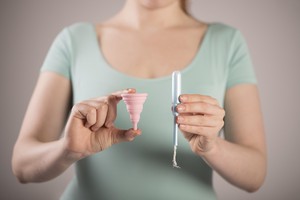
- Bleeding that soaks through one or more pads or tampons every hour for several consecutive hours.
- Needing to use double protection (pad and tampon) to control flow.
- Passing large blood clots (the size of a quarter or larger).
- Pain so severe that OTC medication provides no relief and disrupts daily activities.
- Bleeding that lasts longer than seven days.
- Symptoms of anemia, like extreme fatigue, dizziness, or shortness of breath.
These could be signs of conditions like fibroids, endometriosis, adenomyosis, or hormonal imbalances, which require specific diagnoses and treatments beyond OTC pain relief.
Supporting your body alongside medication
While medication addresses the acute symptoms, lifestyle measures can provide supportive relief and improve overall well-being.
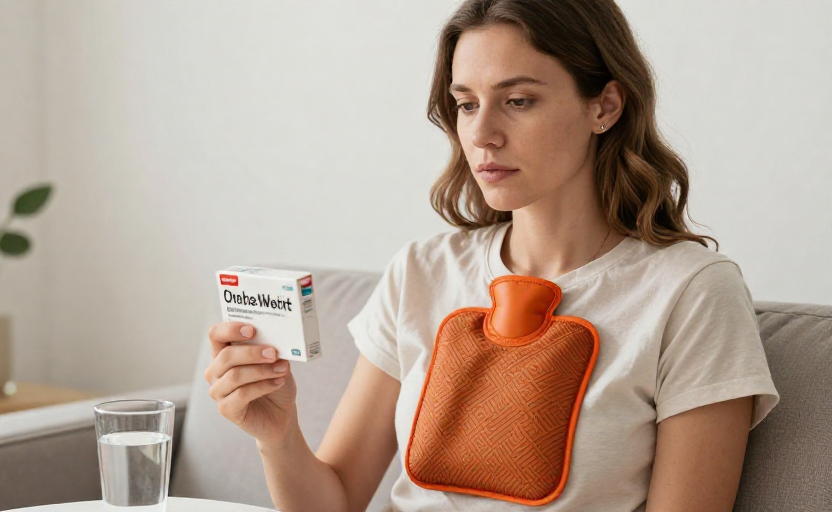
- Apply gentle heat. A heating pad or hot water bottle placed on your lower abdomen can relax contracting muscles and provide significant comfort, often working well in tandem with medication.
- Stay hydrated. Drinking plenty of water can help reduce bloating. If heavy bleeding is a concern, maintaining fluid intake is especially important.
- Consider dietary iron. If you have heavy periods, incorporating iron-rich foods like lean red meat, lentils, spinach, and fortified cereals can help offset iron loss.
- Move gently. Light exercise, like walking or stretching, can boost endorphins and improve blood flow, which may ease cramping for some.
Navigating heavy bleeding and pain is deeply personal, but you don’t have to do it without tools or knowledge. Using OTC medications wisely is a practical step toward reclaiming your comfort. Listen to your body, use these medications as directed, and never hesitate to seek medical guidance when your symptoms tell you something more is going on. Your well-being is worth that attention.