4 foods that support heart rate recovery after a stroke
Discover four foods that support heart rate recovery after a stroke, including omega-3-rich fish, leafy greens, berries, and dark chocolate. Simple, science-backed nutrition tips.
Discover articles, guides, and practical insights for a healthier lifestyle.
Discover four foods that support heart rate recovery after a stroke, including omega-3-rich fish, leafy greens, berries, and dark chocolate. Simple, science-backed nutrition tips.

Three specific medical reasons your resting heart rate may stay high after a stroke: autonomic dysfunction, atrial fibrillation, and deconditioning. What to watch for.
Learn the two key warning signs of post-stroke heart strain you can monitor at home: unusual fatigue and changes in resting heart rate or rhythm. Early detection matters.

Discover three drinks—hibiscus tea, tart cherry juice, and beetroot juice—that research suggests may help lower resting heart rate after a stroke, plus safety tips for recovery.
Dietitians explain the four key food types to limit if you have a congenital heart defect, including sodium, added sugars, unhealthy fats, and excess caffeine or alcohol.

Learn how congenital heart defects form during early pregnancy, what causes them, and how this knowledge helps parents care for their child. Plain-language explainer.

Discover three expert-backed strategies to protect your heart as an adult with a congenital heart defect—gentle exercise, fluid management, and mental health support.
Cardiologists explain known causes of congenital heart defects including genetics, maternal health, infections, and medications during early pregnancy.
Two common mistakes adults with congenital heart disease make: treating it like acquired heart disease and dropping out of specialized care. Practical guidance for staying stable.


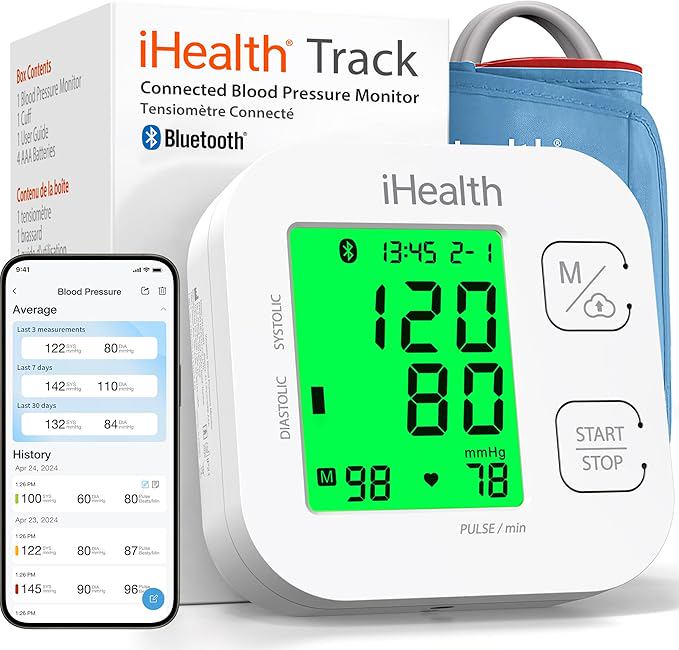
iHealth Track Smart Upper Arm Blood Pressure Monitor with Wide Range Cuff that fits Standard to Large Adult Arms, Bluetooth Compatible for iOS & Android Devices
Check it out
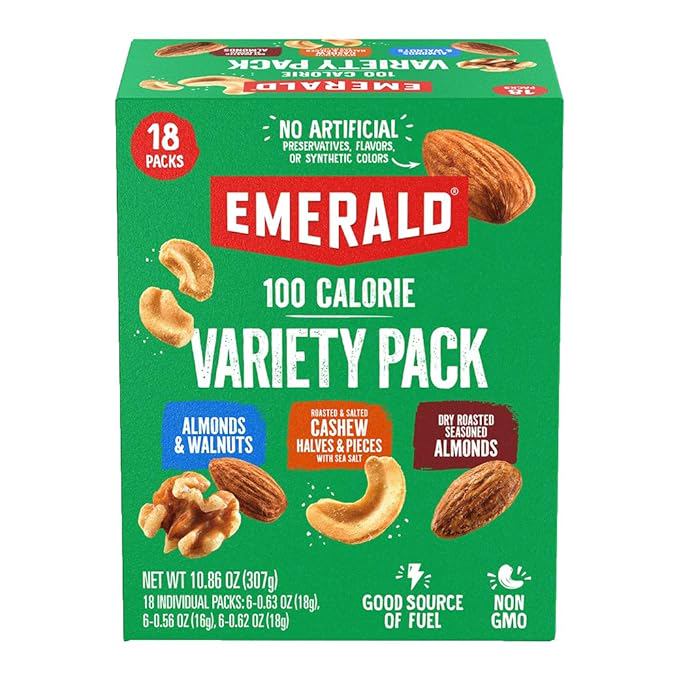
Emerald Nuts Mixed Nuts Variety Pack 18ct (1-Pack) , 100-Calorie Individual Packs , Features Dry Roasted Almonds, Natural Almonds & Walnuts, and Roasted & Salted Cashews
Check it out