If you have been told to watch your cholesterol numbers, you might think you are in for a bland, restrictive diet. The truth is the opposite: a heart-healthy eating pattern can be flavorful, satisfying, and built around foods you likely already enjoy. While medication plays a critical role for some, the choices you make at the grocery store can have a real impact on your lipid panel. Here are six foods that research suggests can help lower your cholesterol naturally, along with practical ways to work them into your routine.
Oats and Barley: The Beta-Glucan Boost
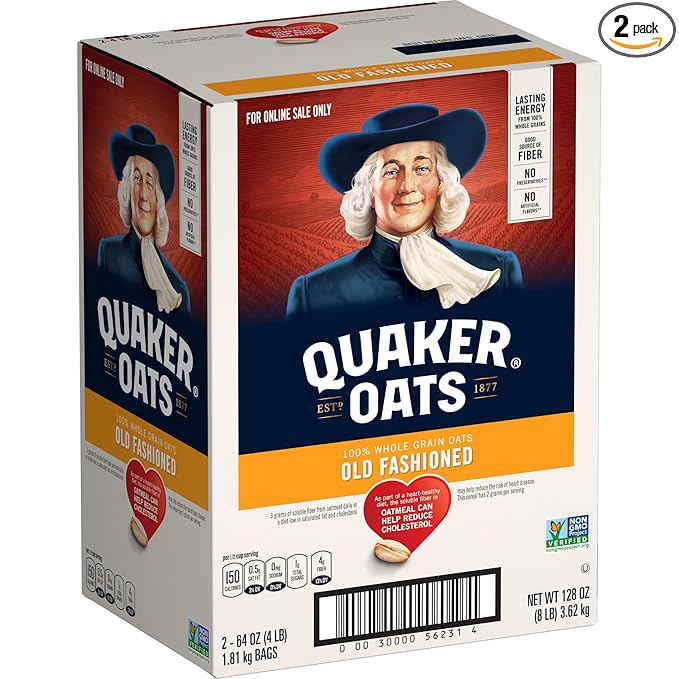
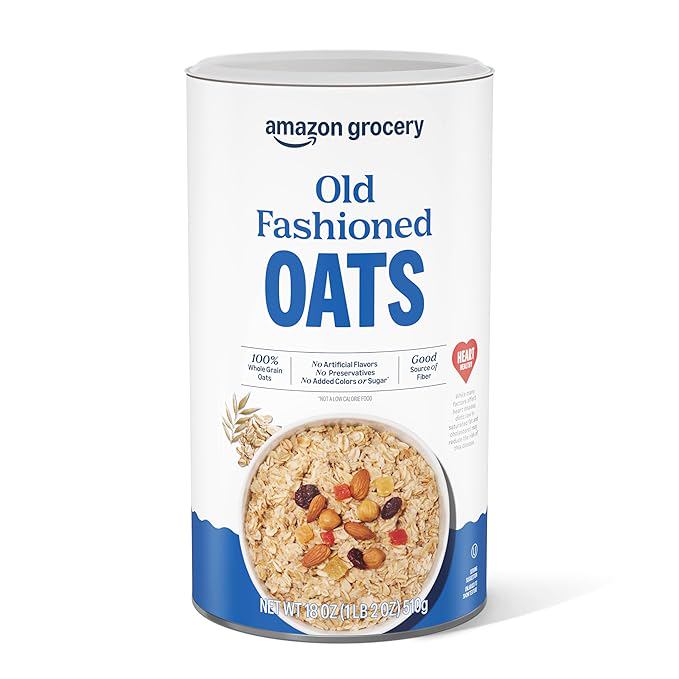
The connection between whole oats and heart health is about as solid as nutrition science gets. The fiber in oats and barley is called beta-glucan, a type of soluble fiber that forms a gel-like substance in your digestive tract. This gel binds to cholesterol-rich bile acids and helps escort them out of the body, which forces your liver to pull more cholesterol from your blood to make new bile. The result is a net reduction in circulating LDL cholesterol, the type often labeled as “bad.”
Aiming for just 3 grams of beta-glucan per day — found in about 1.5 cups of cooked oatmeal or a bowl of oat-based muesli — has been shown to lower LDL by roughly 5 to 10 percent. Not a porridge person? Try adding oat bran to smoothies, using barley in soups and stews, or swapping white rice for cooked barley in grain bowls.
A bowl of oatmeal or barley soup does more than warm you up; it actively helps remove cholesterol from your system.
Fatty Fish: Omega-3s for Triglycerides
When nutrition experts talk about eating more fish, they are not suggesting the battered and fried kind. Fatty fish such as salmon, mackerel, sardines, herring, and albacore tuna provide long-chain omega-3 fatty acids — EPA and DHA. These fats do not lower LDL cholesterol directly, but they do lower triglycerides and may help reduce inflammation in blood vessels, which supports overall cardiovascular health.
The American Heart Association recommends two servings of fatty fish per week. A standard serving is about 3.5 ounces cooked, or roughly the size of a deck of cards. If you do not eat fish, a fish oil supplement can be an option, but whole fish provides additional nutrients like selenium and vitamin D that a capsule cannot replicate.
Nuts: A Handful of Heart Help
Almonds, walnuts, and other tree nuts are rich in unsaturated fats, fiber, and plant sterols — compounds that block the absorption of cholesterol in your intestines. Regular nut consumption has been linked to modest reductions in LDL cholesterol and a lower risk of cardiovascular events. The key is the dose: about a 1-ounce serving per day, which is roughly 23 almonds, 14 walnut halves, or a small handful.
Nuts are calorie-dense, so mindless snacking from a large bag can work against you. Pre-portion a small bowl or keep single-serving packets in your bag. Sprinkle chopped nuts over yogurt, salads, or roasted vegetables for added crunch and nutritional benefit.
Legumes: Beans, Lentils, and Peas
Beans, chickpeas, lentils, and split peas deliver a double punch of soluble fiber and plant protein. Replacing some animal protein with legumes has been shown to reduce total cholesterol and LDL. In one analysis, participants who ate about one serving of legumes daily saw their LDL drop by roughly 5 percent compared to those eating a typical Western diet.
Practical swap ideas: use cooked lentils in place of ground beef in tacos or Bolognese sauce, toss chickpeas into salads, or make a hearty bean soup for lunch. Canned legumes are perfectly fine — just rinse them thoroughly to remove excess sodium.
Avocados: More Than Toast Topper
Avocados are rich in monounsaturated fat, the same heart-friendly fat found in olive oil. Studies indicate that eating an avocado daily — about half to one whole fruit — can lower LDL cholesterol, particularly when it replaces less healthy fats like butter, processed meats, or cheese. Avocados also supply potassium, folate, and fiber, all of which support healthy blood pressure and metabolic function.
You do not have to eat plain avocado on toast. Blend it into smoothies for creamy texture, cube it into salsas, mash it as a sandwich spread instead of mayonnaise, or slice it on top of grain bowls and salads.
Dark Leafy Greens and Cruciferous Vegetables
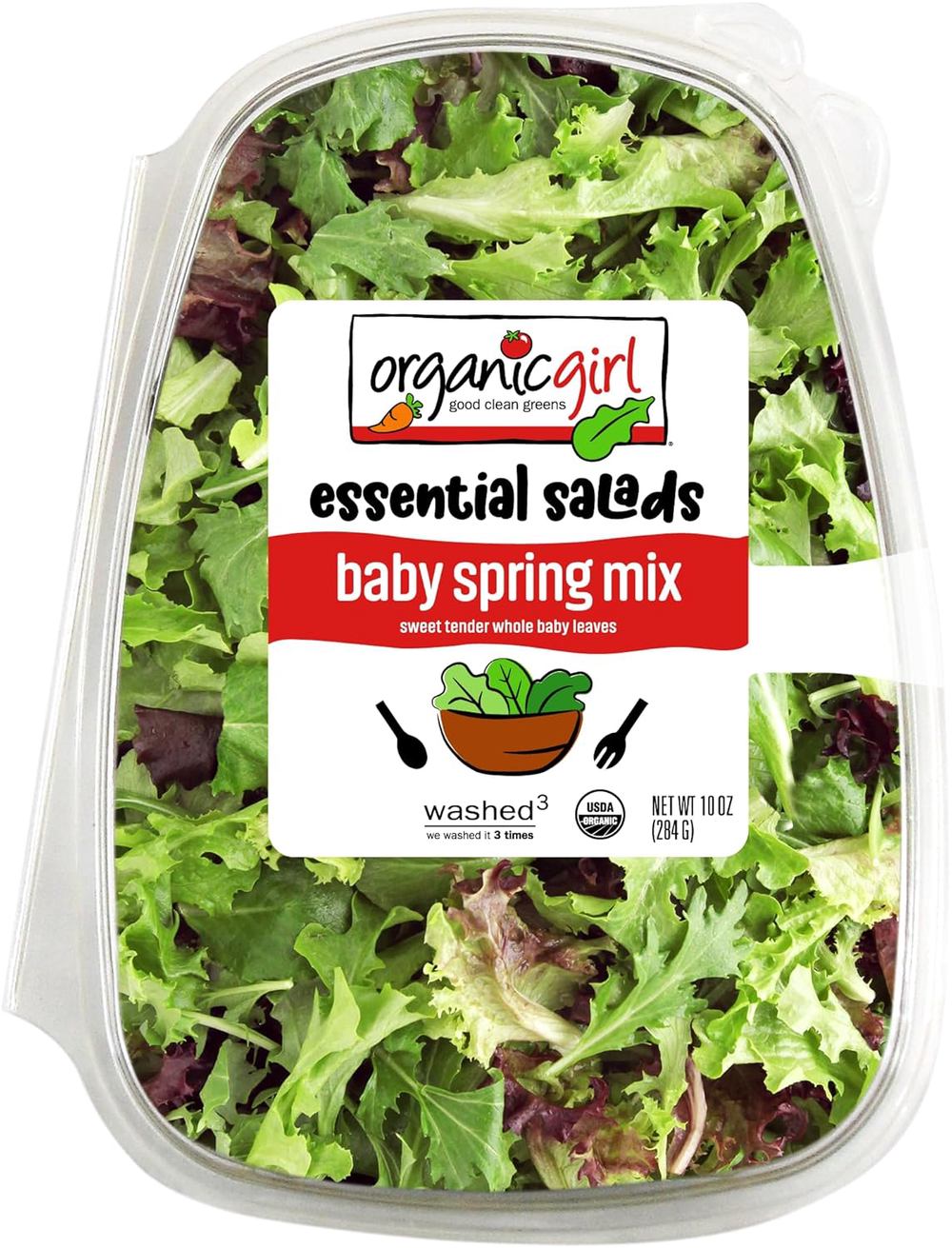
Spinach, kale, Swiss chard, broccoli, Brussels sprouts, and cabbage may not have the same cholesterol-lowering star power as oats or nuts, but they contribute to heart health in important ways. They are rich in lutein and other carotenoids that may help prevent cholesterol from oxidizing and sticking to artery walls. They also provide fiber and low-calorie volume, which helps with weight management — a key factor in cholesterol control.
At least two servings of vegetables per meal is a practical goal. Steam or roast them with a drizzle of olive oil and a squeeze of lemon, add handfuls of spinach to omelets and soups, or use large lettuce leaves as wraps for sandwiches and burgers.
Putting It All Together
No single food is a magic bullet. The most effective approach is a pattern of eating that consistently includes these foods while limiting saturated fats, trans fats, and added sugars. The Portfolio Diet — a style of eating that incorporates oats, nuts, soy protein, plant sterols, and viscous fiber — has been shown in clinical trials to lower LDL cholesterol by 20 to 30 percent, comparable to the effect of a low-dose statin.
If you are making dietary changes, expect results to show up gradually over several weeks to months. Work with your healthcare provider to monitor your numbers and determine whether food-based changes alone are sufficient or whether medication is also needed. Diet is a powerful tool, but it works best when combined with regular movement, stress management, and adequate sleep.