Recovering from a stroke involves more than just regaining mobility and speech. The heart itself needs time and support to heal. Heart rate recovery — how quickly your pulse returns to normal after exertion — is a key marker of cardiovascular health, and it can become especially sluggish after a stroke. While medical supervision is essential, the foods you choose each day can gently nudge your recovery in the right direction. Here are four evidence-backed foods that support heart rate recovery after a stroke, along with practical ways to enjoy them.
Why heart rate recovery matters after a stroke
After a stroke, the autonomic nervous system — which controls heart rate and blood pressure — can be out of balance. A slower heart rate recovery is linked to higher risk of future cardiac events. The goal is to nourish the heart muscle, reduce inflammation, and improve the electrical stability of the heart’s rhythm. Diet plays a supporting role here, working alongside medications and rehabilitation therapy.
1. Fatty fish rich in omega-3s
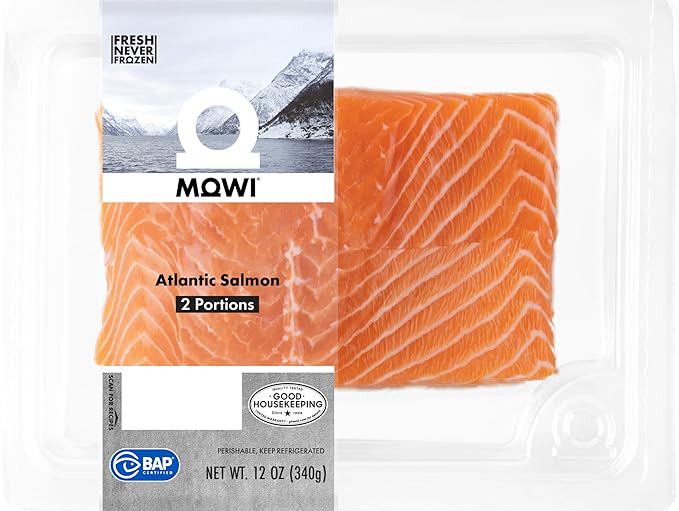
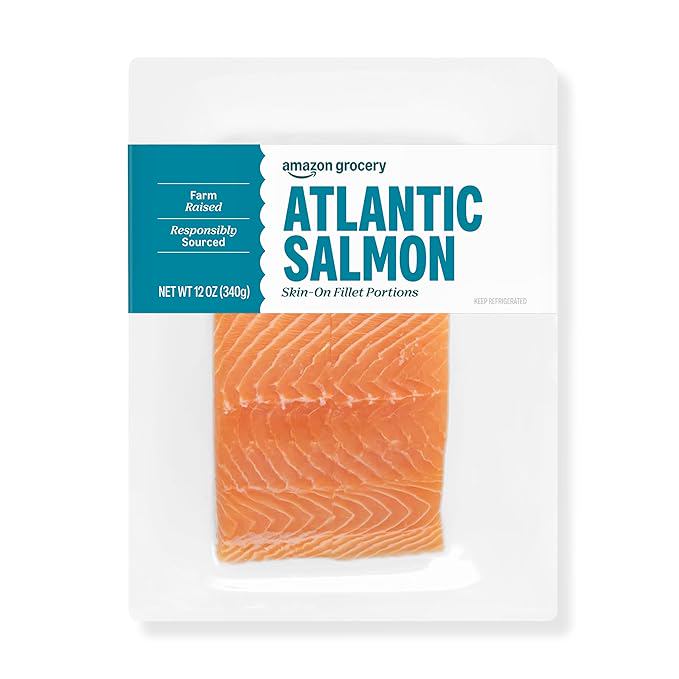
Salmon, mackerel, sardines, and herring are packed with omega-3 fatty acids, specifically EPA and DHA. These fats help calm inflammation, stabilize heart cell membranes, and support a more adaptable heart rate. Research suggests that regular consumption of fatty fish is associated with lower resting heart rate and better heart rate recovery after exercise.
How to include them: Aim for two servings per week. A simple baked salmon fillet with lemon and herbs, or sardines on whole-grain toast, are easy options. If fish isn’t your favorite, consider an algae-based omega-3 supplement — but run it by your doctor first.
2. Leafy green vegetables
Spinach, kale, Swiss chard, and collard greens are loaded with magnesium, potassium, and nitrates. Magnesium helps regulate the heart’s electrical impulses and can prevent arrhythmias. Potassium supports proper heart muscle contraction. Dietary nitrates, found abundantly in greens, are converted to nitric oxide, which relaxes blood vessels and improves blood flow — directly aiding heart rate recovery.
Tip for stroke survivors: If you’re on blood thinners like warfarin, keep your green intake consistent — sudden large increases in vitamin K can interfere with medication. Talk to your healthcare provider about a steady, moderate intake.
Try adding a handful of spinach to smoothies, steaming kale as a side, or mixing Swiss chard into soups.
3. Berries for antioxidant protection
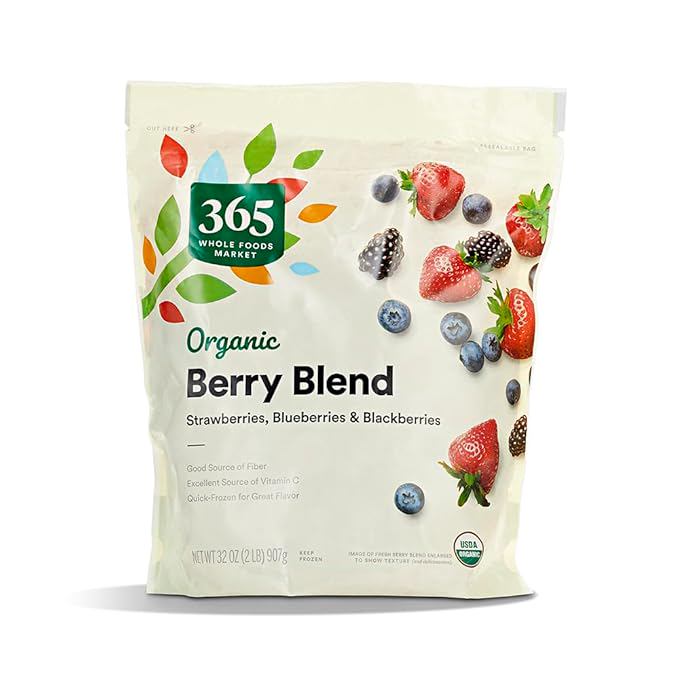
Blueberries, strawberries, raspberries, and blackberries are rich in anthocyanins — pigments that reduce oxidative stress and improve vascular function. After a stroke, oxidative damage can impair the heart’s ability to recover its rhythm efficiently. A 2019 study in the Journal of the American Heart Association found that higher berry intake was linked to lower heart rate and better cardiovascular fitness markers.
Easy ways to eat more berries: Toss a cup of frozen mixed berries into oatmeal or yogurt, blend them into a post-rehab smoothie, or simply enjoy them fresh as a snack. Frozen berries are just as nutritious — and often more affordable.
4. Dark chocolate (in moderation)
Yes, chocolate made the list — but it must be dark chocolate with at least 70% cocoa content. Cocoa flavanols, specifically epicatechin, improve nitric oxide production, support healthy blood pressure, and may enhance heart rate variability. One small study in Heart reported that cocoa consumption improved heart rate recovery after exercise in people with heart failure — a promising sign for stroke survivors as well.
What to look for: Choose dark chocolate with minimal added sugar. One or two small squares (about 10–15 grams) a day is enough to get the benefits without overdoing sugar or calories. Avoid “milk chocolate” or “white chocolate” — they lack meaningful flavanol content.
Putting it all together: a heart-recovery plate
You don’t need to eat these foods in isolation. A meal built around grilled salmon, a side of sautéed Swiss chard, and a small bowl of mixed berries for dessert covers three of the four categories in one sitting. Add a square of dark chocolate as an afternoon treat.
Consistency matters more than perfection. Start with one or two of these foods and build from there. And always keep your medical team in the loop — especially if you’re on blood thinners or have dietary restrictions related to swallowing difficulties (dysphagia), which are common after a stroke.
Beyond food: other recovery supports
Food is a powerful tool, but it works best alongside cardiac rehabilitation exercise, stress management, and adequate sleep. Gentle movement — as cleared by your doctor — helps train the heart to recover faster. Deep breathing exercises, meditation, or listening to calming music can also help regulate your autonomic nervous system over time.