
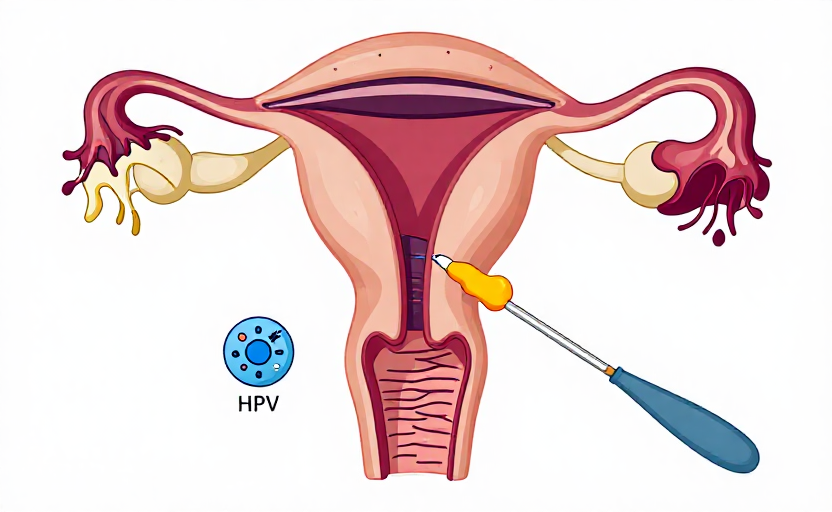
An abnormal Pap smear result can feel alarming, but it does not mean you have cancer. In fact, the vast majority of abnormal results are caused by two very common, treatable conditions. Gynecologists explain what these causes are and why they are usually nothing to panic about.
What causes abnormal Pap smear results?
Pap smears look for cellular changes in the cervix. When the lab finds cells that look unusual, it's flagged as abnormal. According to gynecologists, two main culprits are responsible for most abnormal results.
1. HPV infection
The most common cause of abnormal Pap smears is the human papillomavirus (HPV). Most sexually active people will get HPV at some point in their lives. In many cases, the immune system clears the virus on its own, and the cervical cells return to normal. However, certain high-risk strains of HPV can cause persistent cell changes that require monitoring or treatment. A Pap smear detects these cellular changes, not the virus itself.
Gynecologists note that an HPV-positive result does not mean you have cancer. It simply indicates that a virus known to cause cervical cell changes is present. Your doctor may recommend more frequent monitoring or a colposcopy—a closer look at the cervix—to ensure the cells do not progress to a precancerous state.
“Most women with HPV never develop cervical cancer. The immune system clears the virus in about 90% of cases within two years,” explains Dr. Ananya Sharma, a board-certified gynecologist.
2. Inflammation or infection
The second most common cause of abnormal Pap smears is inflammation or infection in the cervix or vagina. Conditions such as bacterial vaginosis, yeast infections, or sexually transmitted infections like trichomoniasis can cause the cervical cells to appear inflamed under the microscope. This inflammation can be mistaken for precancerous changes.
Cervical inflammation can also result from irritation caused by douching, tampon use, or intercourse shortly before the Pap smear. In these cases, the abnormal result is temporary and resolves once the underlying irritation or infection is treated. Your doctor may repeat the Pap smear after a few months to confirm it has returned to normal.
What happens after an abnormal result?
If your Pap smear comes back abnormal, your gynecologist will recommend next steps based on the specific type of abnormality. The Bethesda System classifies results into categories, including ASC-US (atypical squamous cells of undetermined significance), LSIL (low-grade squamous intraepithelial lesion), and HSIL (high-grade squamous intraepithelial lesion).
- ASC-US: Cells look slightly abnormal but unclear why. Often caused by HPV or inflammation. Your doctor may test for HPV or repeat the Pap in a year.
- LSIL: Mildly abnormal cells. Usually caused by HPV. Most resolve on their own, but monitoring is advised.
- HSIL: More severely abnormal cells. This requires further testing, such as colposcopy and biopsy, to rule out cervical precancer.
Do not assume that abnormal cells mean you need treatment. Many low-grade changes resolve without intervention. High-grade changes often respond well to minor outpatient procedures that remove the abnormal tissue while preserving fertility.
Who is at risk?
While anyone with a cervix can have an abnormal Pap smear, certain factors increase the likelihood. These include smoking, a weakened immune system, multiple sexual partners, and starting sexual activity at a young age. However, even people with no known risk factors can get an abnormal result simply because of a common HPV infection or minor vaginal infection.
When should you follow up?
Your gynecologist will provide a timeline based on your specific result. For low-grade changes, the recommendation is often a repeat Pap smear in 6–12 months. For high-grade changes, colposcopy is usually scheduled within weeks. If you are due for a routine Pap smear and have not had one in the past three years, it is best to schedule one now rather than wait for symptoms to appear. Abnormal Pap smears rarely cause symptoms, so regular screening is essential.
“The most important thing is not to skip your screening. Catching cellular changes early—whether from HPV or inflammation—allows for simple monitoring or treatment that prevents cancer before it starts,” says Dr. Sharma.
In short, an abnormal Pap smear is most often explained by a common viral infection (HPV) or a temporary inflammation or infection. Both are manageable and often resolve without any invasive treatment. Listen to your gynecologist, follow the recommended follow-up schedule, and avoid drawing conclusions before you have all the facts.