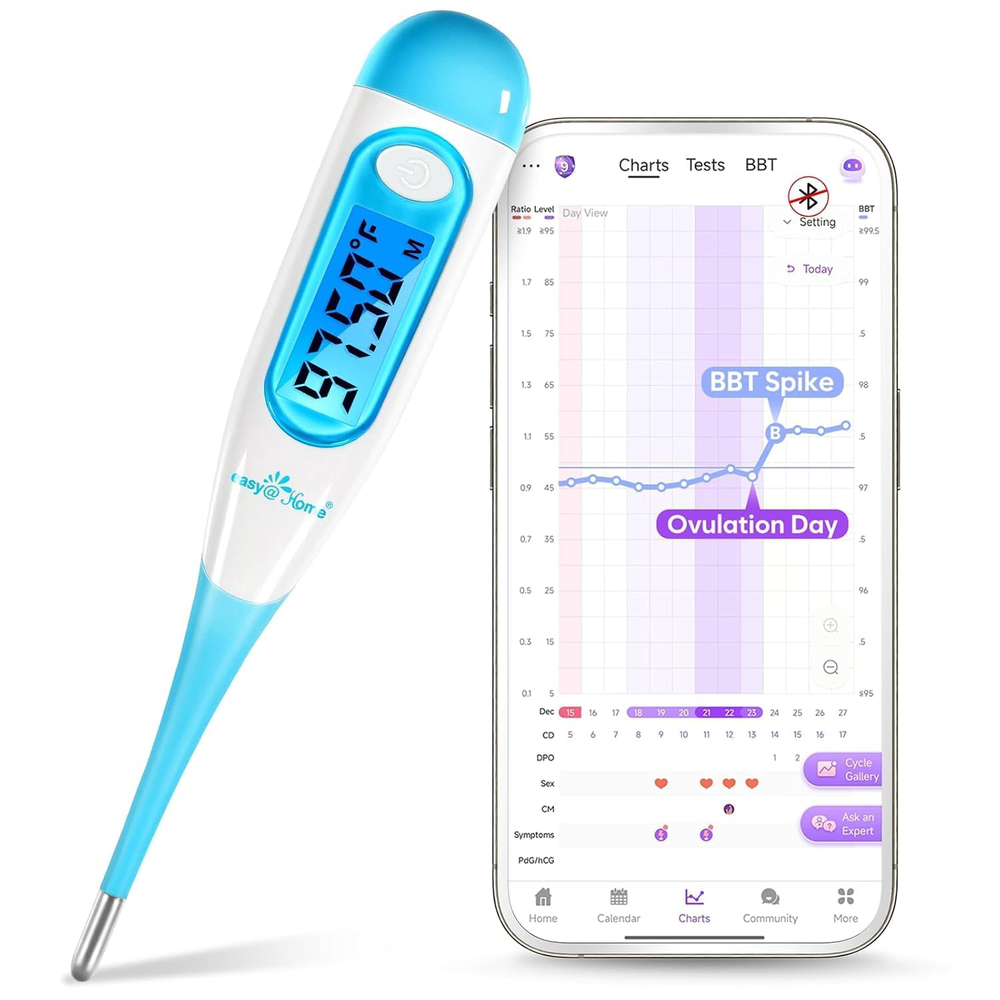

Tracking basal body temperature (BBT) is one of the most accessible ways to understand your menstrual cycle and confirm ovulation. The method relies on a predictable pattern: a slight temperature rise after ovulation, driven by progesterone. But what happens when that pattern goes silent—or looks erratic? Often, the culprit is not a faulty thermometer but a subtle hormonal imbalance that quietly distorts the readings. Recognizing these signs can help you interpret your chart more accurately and decide when to seek further guidance.
Low progesterone and the missing thermal shift
The most telling feature of a healthy ovulatory cycle is a sustained temperature rise in the luteal phase. If your BBT chart shows a very slow climb—sometimes called a “slow rise”—or never quite reaches a clear post-ovulatory plateau, low progesterone may be the reason. Progesterone is thermogenic; without enough of it, the temperature signal stays flat. This can happen in cycles where ovulation is weak, or in conditions like luteal phase defect. You might notice a shorter luteal phase (fewer than 10 days of elevated temps) or erratic drops before your period arrives. If this pattern repeats across multiple cycles, it is worth discussing with a healthcare provider.
Estrogen dominance and temperature dips
Estrogen has the opposite effect of progesterone—it tends to lower basal temperature. When estrogen is disproportionately high relative to progesterone, you may see unexplained temperature dips during the luteal phase, sometimes right before expected menstruation. This pattern can mimic implantation dips, leading to confusion and false hope for those trying to conceive. Chronic estrogen dominance can stem from lifestyle factors, body composition, or underlying conditions such as polycystic ovary syndrome (PCOS). If your chart shows a clear ovulation day but then the temperature plunges unpredictably, estrogen excess might be at play.
Thyroid dysfunction and unstable baseline
Your basal temperature is also a rough reflection of your metabolic rate, which is regulated by thyroid hormones. Both hypothyroidism (underactive thyroid) and hyperthyroidism (overactive thyroid) can disturb BBT patterns, though in different ways. With hypothyroidism, you may notice a consistently low baseline temperature—often below 97.0°F (36.1°C)—and a sluggish, unclear thermal shift. Conversely, hyperthyroidism can cause a higher-than-expected baseline and erratic spikes that do not correlate with ovulation. Thyroid issues often come with other subtle signs: fatigue, changes in skin or hair texture, and unexplained weight shifts. If your BBT baseline seems “off” cycle after cycle, a thyroid panel is a reasonable next step.
Prolactin elevation and anovulatory patterns
Prolactin is best known for its role in milk production, but elevated levels can suppress the hypothalamic-pituitary-ovarian axis, leading to delayed ovulation or anovulation. On a BBT chart, this may present as a very long follicular phase, a slow or absent thermal shift, or a biphasic pattern that looks “messy” with no clear sustained rise. A persistently high prolactin level, even without obvious symptoms like breast tenderness or galactorrhea, can quietly distort your chart. Stress, certain medications, and pituitary conditions are common triggers. If your BBT looks consistently anovulatory but you have regular periods, ask your doctor about a prolactin blood test.
A caveat: BBT charting is a trend-based tool, not a diagnostic test. One unusual cycle does not signal a problem, but recurrent patterns—especially when paired with other symptoms like cycle irregularity, acne, or hair changes—warrant a deeper look.
While these four hormonal imbalances are common culprits behind confusing BBT charts, they are not the only possibilities. Sleep disruptions, illness, alcohol, and inconsistent wake-up times also affect readings. The key is to separate lifestyle noise from physiological signals. If you have been charting for several months and your temperature patterns feel persistently unclear, consider reviewing your charts with a fertility awareness educator or your primary care provider. A few targeted labs can often bring clarity—and help you get back to trusting what your body is telling you.