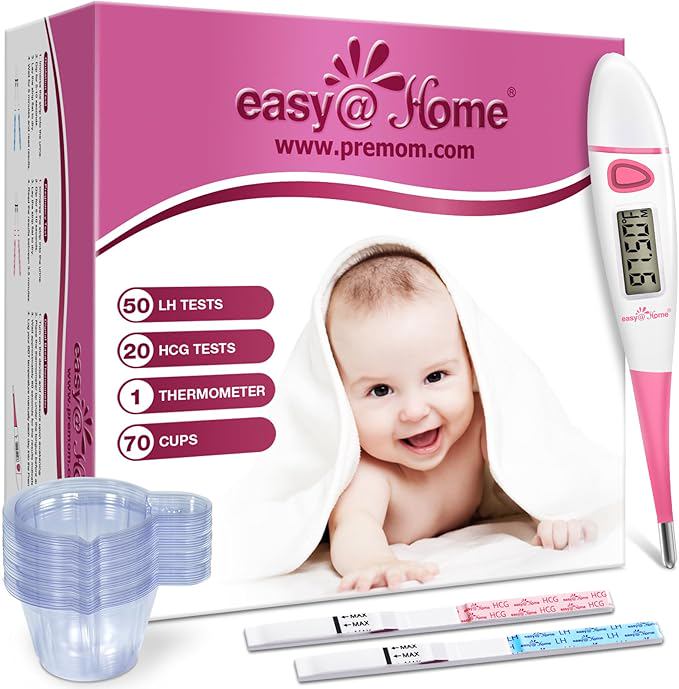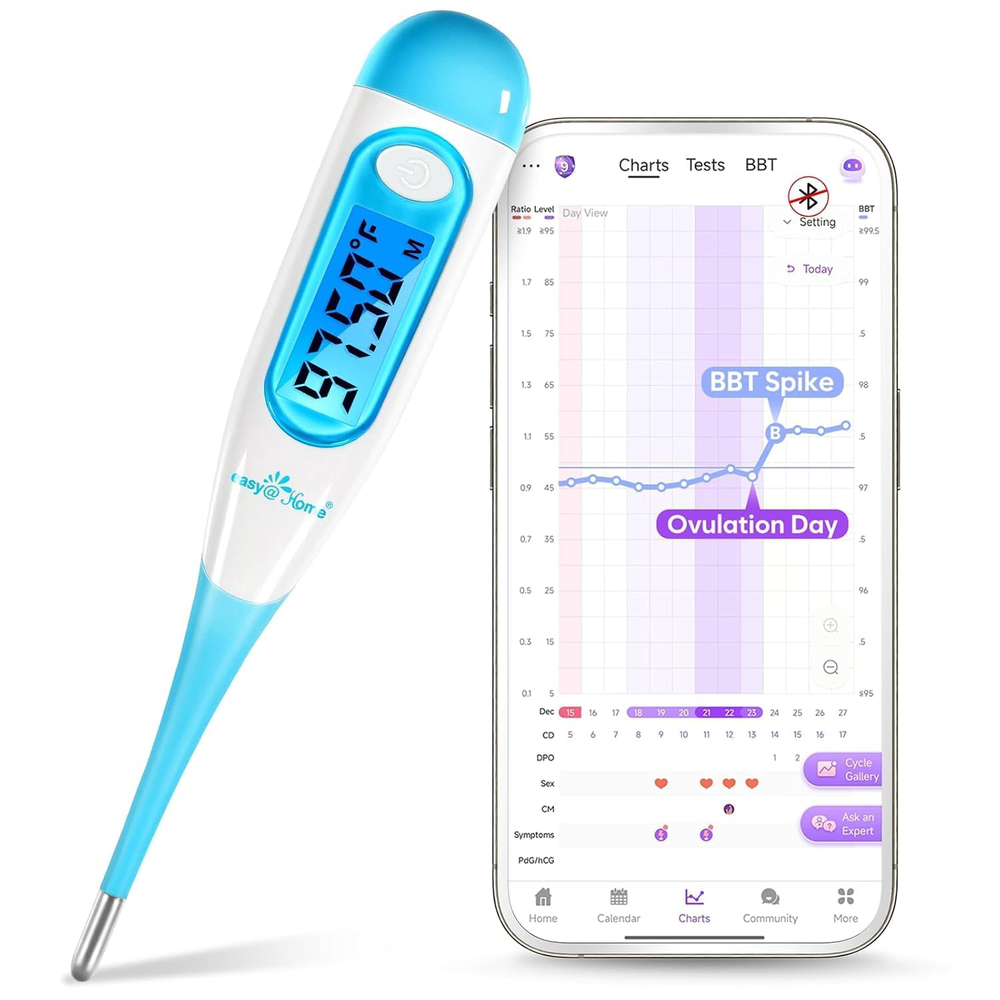

Tracking your basal body temperature (BBT) can feel like a secret language your body uses to communicate. A consistent, accurate chart offers a surprisingly clear view of your cycle, helping you confirm ovulation and understand your fertile window. But even a steady routine can be undone by two common habits that quietly distort the data.
If your chart looks erratic or confusing, the culprit is often something that happened either just before you took your temperature or right after you woke up. Let's look at the two most frequent accuracy-breakers.
Habit #1: Inconsistent or disrupted sleep before your morning reading
The fundamental rule of BBT charting is taking your temperature at the same time every morning, after at least three to four consecutive hours of sleep. The reason is simple: your body's temperature is lowest during deep rest and rises slightly upon waking and moving. If your sleep pattern shifts, so does your baseline reading.
Think about these common scenarios:
- You wake up at 6 a.m. on weekdays but sleep in until 9 a.m. on weekends. That extra sleep lowers your temperature, and a reading taken after a long, uninterrupted rest can be considerably lower than one taken after a short, broken night.
- You get up to use the bathroom at 4 a.m. and fall back asleep. Even if you take your temperature at your usual 6 a.m. time, the broken sleep cycle can shift your core temperature. The reading you get may reflect a body that didn't truly settle back into deep sleep.
- You had a restless, feverish night or drank alcohol before bed. Both alcohol consumption and illness (even a minor cold) can artificially elevate your temperature, leading to a spike that has nothing to do with ovulation.
What can you do? Aim for a consistent wake-up time (within an hour) and try to get at least four hours of uninterrupted sleep before taking your reading. If you had a particularly broken night, make a note on your chart. That context is just as valuable as the number itself.
Habit #2: Moving or talking before you take your temperature
Your BBT thermometer is designed for a very specific moment: the first few seconds after you open your eyes, before you move a muscle. Even subtle movements can raise your core temperature, introducing noise into your chart.
Consider these all-too-human lapses:
- You roll over to grab your phone to check the time. The simple act of turning your torso can cause a temporary rise in temperature. If you then take your reading, you're measuring a body that has already partially transitioned to wakefulness.
- You say 'good morning' to your partner or pet. Vocalizing even a soft word can increase blood flow and slightly elevate your core temperature.
- You get up to grab a glass of water or use the bathroom before remember to take your temperature. Once you're upright, your temperature begins to climb. Any reading taken after you've gotten out of bed will not be an accurate BBT.
The fix is straightforward: keep your thermometer on your nightstand, within easy arm's reach. As soon as you wake, take your temperature before you do anything else. Practice this until it becomes automatic.
How to build a reliable BBT routine
Accuracy isn't about perfection — it's about consistency. Small, repeated habits form the foundation of a chart you can trust. Here are a few practical strategies:
- Set an alarm that accounts for the full four hours of sleep. If you tend to wake up to use the bathroom, set your alarm earlier so you can fall back asleep and still get enough rest before the reading.
- Keep a light-blocking sleep mask and earplugs handy. This helps you fall asleep faster and stay asleep longer, especially if your partner wakes earlier than you.
- Silence your phone and keep it face-down. The temptation to check notifications is strong, but a few seconds of screen light and mental engagement can disrupt the quiet wakefulness you need.
- Consider a wearable BTH tracker that records while you sleep. Some people find a continuous tracker easier than a manual thermometer, but be aware that they work differently and come with their own set of variables.
A quick tip: Even if you break a habit one morning, take your temperature anyway and simply mark the chart with a note. A single off-day is less important than the overall pattern.
The bottom line on BBT accuracy
Your BBT chart is a tool for learning your body's patterns, not a strict pass-fail test. The two habits outlined here — inconsistent sleep and movement before the reading — are the most common reasons for confusing or unreliable data. By adjusting these simple parts of your morning routine, you can dramatically improve the clarity of your chart and the insights it provides.
Remember that stress, illness, travel, and even some medications can also influence your temperature. The goal is not a perfectly smooth curve but a chart that, over time, shows a clear biphasic pattern that confirms ovulation. When you give your chart accurate input, you gain the confidence that comes with knowing exactly what your body is telling you.