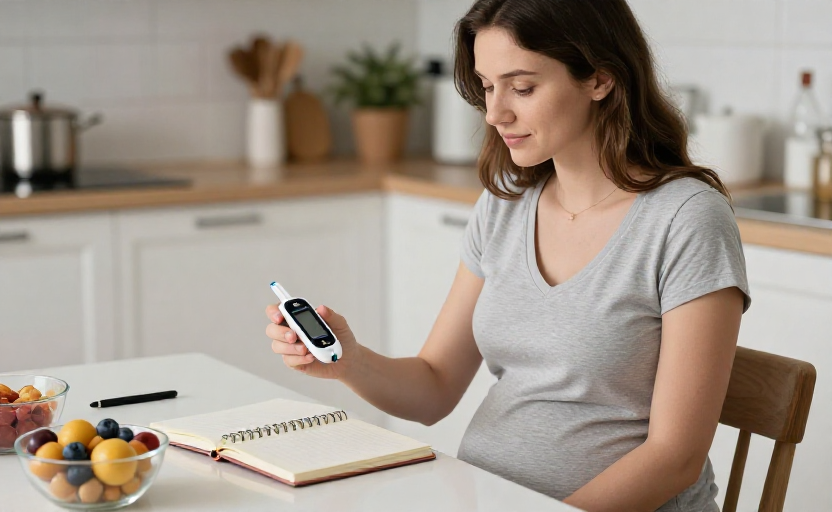
When you're managing gestational diabetes, checking your blood sugar at home becomes part of your daily routine. It can feel like one more thing to worry about, but with the right approach, home monitoring is straightforward and gives you valuable information about how your body is handling pregnancy. Here's what you need to know to do it safely and accurately.
Why Home Monitoring Matters
Tracking your blood sugar helps you and your healthcare team see how well your diet, activity, and any treatments are working. Consistent readings can catch patterns early—like a spike after breakfast or a dip in the afternoon—so you can adjust what you eat or when you move. For many women, simply seeing the numbers provides reassurance that their choices are supporting a healthy pregnancy.
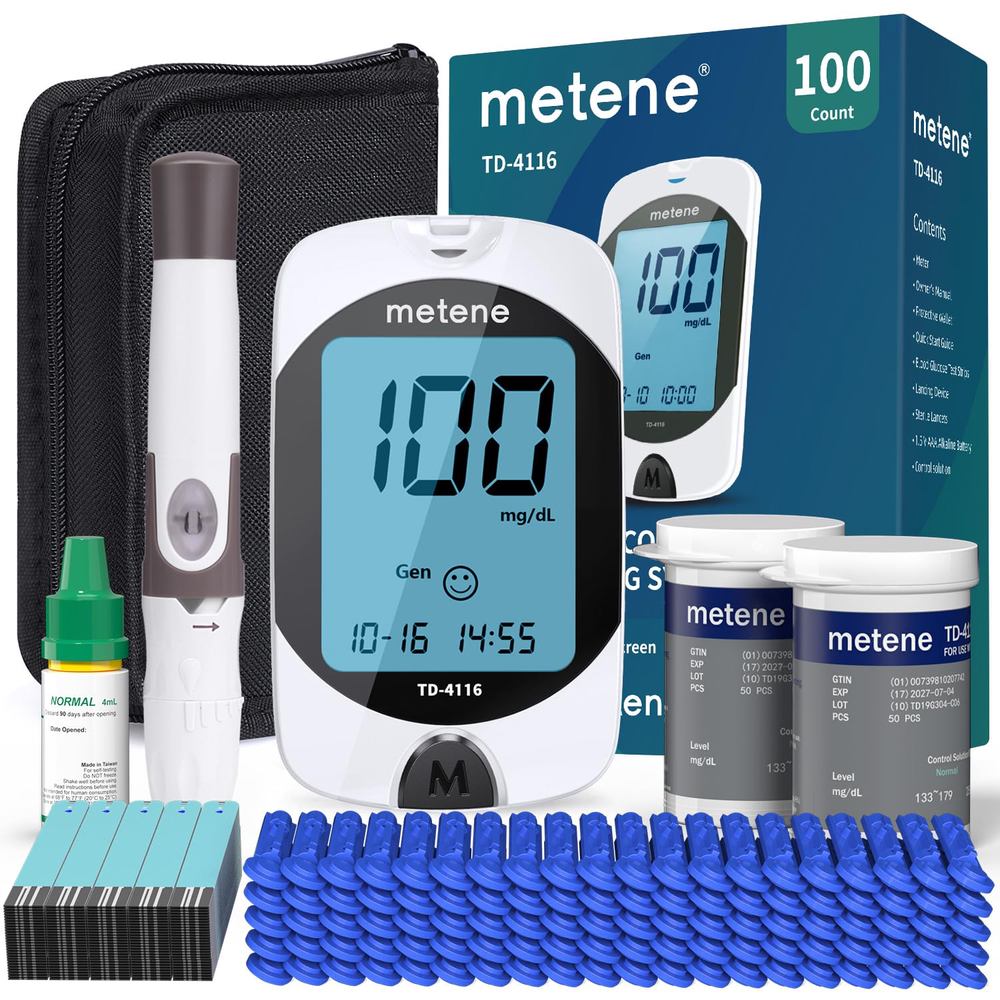
Choosing the Right Equipment
Your doctor or diabetes educator will recommend a specific blood glucose meter. Most modern meters are accurate, but there are a few things to consider:
- Meter size and display: A backlit screen and large digits make reading the numbers easier, especially in low light.
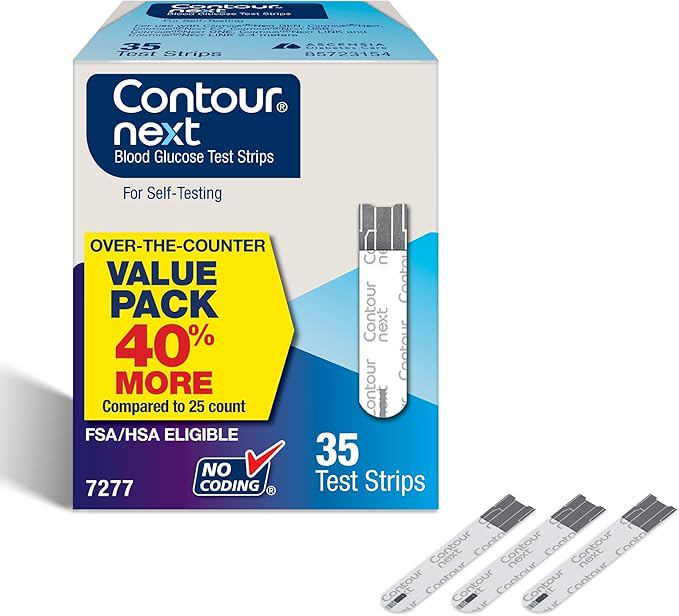
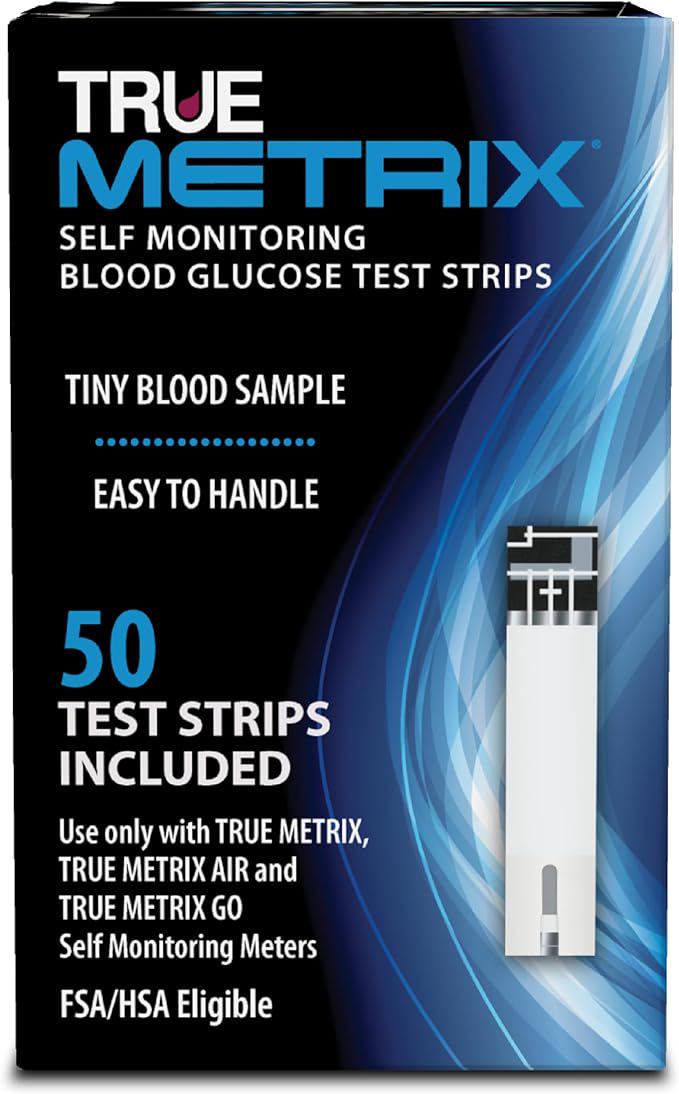
- Test strip cost: Strips can add up. Check if your insurance covers a particular brand or if you can get a generic option.
- Data tracking: Some meters sync with smartphone apps or have built-in memory, which helps you and your doctor spot trends.
Whatever you choose, stick with the same meter for consistency during your pregnancy.
Prepping for a Prick: Clean Hands and a Steady Mind
The first step is always the simplest—wash your hands with soap and warm water. Residue from food, lotion, or hand sanitizer can throw off the reading. Dry them on a clean towel. If your fingers are cold, run them under warm water to stimulate circulation; a quick shake of the hand helps, too.
Pick a spot on the side of your fingertip, not the pad. The side has fewer nerve endings, so it hurts less. Alternate fingers each time to avoid sore spots. Use a new lancet every time—yes, even if you're in a hurry—to prevent infection and keep the prick sharp.
Timing and Targets
When and how often you test is key. Most protocols call for fasting (first thing in the morning, before eating) and then one or two hours after each meal. Your healthcare provider will give you personal target ranges, but here's a general guide:
Fasting: 95 mg/dL or less
One hour after meals: 140 mg/dL or less
Two hours after meals: 120 mg/dL or less
These targets can vary. Some doctors prefer tighter ranges, especially if you have other risk factors. Always follow your own care plan.
Recording and Recognizing Patterns
Write down or log every reading along with what you ate, when you ate it, and your activity level. Over a week, patterns will emerge. For example, you might notice that a breakfast high in refined carbs sends your post-meal number soaring, while a protein-rich meal keeps it steady. Share this log with your provider at each visit—it's the most useful tool they have for fine-tuning your plan.
Pay attention to the trend, not just the number. A single high reading isn't a crisis, but several high readings in a row or a steady upward trend is worth a call to the office.
Troubleshooting Common Issues
- Pain: If pricking hurts consistently, ask about lancet depth settings. Most meters allow you to adjust the depth—a shallower setting often works fine.
- Insufficient blood: Warm your hand, hang it down, and massage the finger gently toward the tip before pricking.
- Meter errors: Check the test strip's expiration date, ensure the code on the strip matches the meter (if applicable), and clean the meter window with a dry cotton swab.
When to Call Your Doctor
If you experience symptoms of high blood sugar—like extreme thirst, frequent urination, blurred vision, or nausea—or lows such as shakiness, sweating, or confusion, contact your healthcare team right away. Also reach out if your readings are consistently outside your target range despite following your plan. These signs may indicate a need for medication adjustments, such as insulin, which is safe to use during pregnancy when prescribed by your doctor.
Staying Calm Through the Numbers
It's easy to get anxious about a high reading, but remember: gestational diabetes is a temporary condition for most women, and it is highly manageable with the right tools and support. Home monitoring is not a punishment or a source of stress—it is a toolkit that empowers you to make informed decisions, one finger prick at a time. You are doing this for you and your baby, and that strength is what really matters.
Always consult your healthcare provider for personalized advice about your specific blood sugar targets and monitoring plan.