Living with diabetes means keeping a close eye on many things—your blood sugar, your diet, your activity levels. But there's one area that often gets overlooked until problems arise: your retina. Diabetic retinopathy is a leading cause of vision loss among adults, and it doesn't happen overnight. It's the small, everyday choices that gradually put pressure on the delicate blood vessels in your eyes.
The good news? Understanding which habits pose the biggest risk gives you the power to protect your sight. Here are four daily habits that can silently damage your retina if you have diabetes, along with practical shifts that make a real difference.
1. Letting blood sugar spike and crash repeatedly
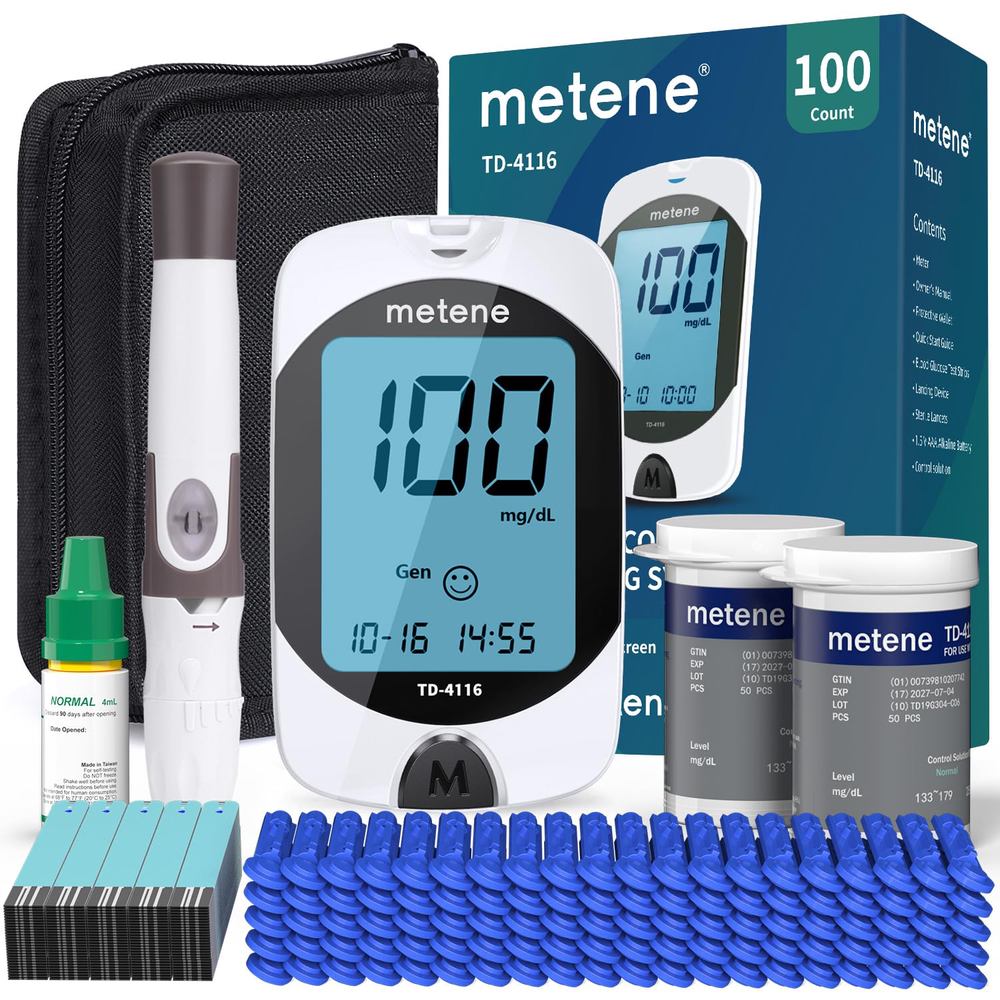
You already know that stable blood sugar is the cornerstone of diabetes management. But many people don't realize how directly those daily glucose swings affect the tiny vessels in the retina. When blood sugar runs high, it weakens the capillary walls, causing them to leak fluid and blood. Over time, the retina tries to compensate by growing new, fragile vessels—but these are prone to bleeding and scarring.
The habit that does the most harm? Assuming that an occasional high reading is no big deal, or that bringing it back down quickly erases the damage. Each spike contributes to cumulative injury. A consistent pattern of post-meal highs, skipped medication, or relying on sugary snacks for quick energy adds up faster than most people expect.
What to do instead
Focus on reducing the range of your blood sugar swings, not just the average. Pair carbohydrates with protein or fat to slow glucose absorption. If you use continuous glucose monitoring, pay attention to the time your levels spend above target—not just your fasting numbers. Small adjustments, like swapping juice for whole fruit or taking a 10-minute walk after meals, can smooth out those peaks.
2. Skipping the annual dilated eye exam
Here's a common trap: your vision feels fine, so you assume your eyes are healthy. The problem is that early diabetic retinopathy often has no symptoms. You won't feel the tiny leaks or see the subtle changes happening in the back of your eye. By the time you notice blurring, dark spots, or difficulty reading, the disease may have already progressed to a stage that's harder to treat.
Many people with diabetes skip their annual dilated exam because it's inconvenient, or because their last visit showed nothing wrong. But retinal damage can develop in the space of a year—sometimes faster if blood sugar control has slipped.
Think of the dilated eye exam as an early warning system, not a test of how well you see today.
The ophthalmologist doesn't just check your prescription; they look for microaneurysms, cotton-wool spots, and neovascularization—the earliest markers of retinopathy. Catching these changes early means you can intervene with laser treatment or medication before vision loss occurs.
3. Prolonged sitting with poor posture
This one surprises many people. What does sitting have to do with your retina? Quite a bit, it turns out. When you sit for long stretches without moving, blood circulation slows down. Reduced blood flow means less oxygen reaches the retinal tissues, and waste products accumulate more slowly. For someone with diabetes, whose circulation may already be compromised by high blood sugar, this effect is magnified.
Poor posture—such as slouching forward while working at a computer or looking down at a phone—can also increase intraocular pressure. Over time, elevated pressure combined with poor circulation stresses the already fragile retinal blood vessels.
A simple fix
Set a timer to stand up and move every 30 minutes. Even a two-minute walk around the room gets blood flowing. While sitting, keep your feet flat on the floor, your shoulders relaxed, and your screen at eye level to reduce strain on your neck and eyes. This isn't just about comfort—it's about maintaining healthy perfusion to your retina.
4. Consuming too many refined carbohydrates and added sugars
This habit goes beyond the obvious sodas and candy. Refined carbohydrates—white bread, white rice, pasta, crackers, sugary cereals—are quickly broken down into glucose, causing a rapid rise in blood sugar. Even foods marketed as healthy, like flavored yogurt, granola bars, or bottled smoothies, can contain surprising amounts of added sugar that hit your system fast.
The link to retinal health is direct: higher post-meal glucose spikes trigger oxidative stress and inflammation throughout the body, including the eyes. The retina is one of the most metabolically active tissues in the body, and it's particularly vulnerable to oxidative damage. Over years, this process accelerates the breakdown of the blood-retinal barrier.
What to look for
Start reading labels for total sugar and added sugar. A good rule of thumb is to choose whole foods that come from nature—vegetables, legumes, whole grains like quinoa or oats, nuts, seeds, and lean proteins—rather than packaged items that list sugar among the first few ingredients. Swapping a white flour tortilla for a corn or lettuce wrap, or choosing sparkling water with lemon instead of sweetened iced tea, are small changes that protect both your blood sugar and your retina.
Protecting your retina when you have diabetes isn't about perfection; it's about consistency. These four habits—managing blood sugar swings, never skipping the eye exam, staying physically active throughout the day, and choosing whole foods over refined carbs—are the ones that matter most. Your eyes will thank you for years to come.