Morning sickness is a common, yet deeply personal, experience in pregnancy. While the name suggests a morning phenomenon, the queasiness can strike at any hour, turning the simple act of eating into a delicate negotiation. The goal isn't to restrict your diet severely, but to become a gentle detective for your own body. By identifying and temporarily avoiding common dietary triggers, you can create more space for calm and find foods that truly settle well.
It’s a process of listening. What soothes one person may unsettle another, but some foods and eating patterns are frequent culprits. The focus here is on four broad categories of items that often intensify nausea due to their strong smells, textures, or effects on digestion. Steering clear of these, even for a short while, can be a powerful step toward managing your symptoms and nourishing yourself through this phase.
Why Do Certain Foods Trigger Nausea?
Pregnancy hormones, primarily human chorionic gonadotropin (hCG) and estrogen, are the primary drivers of morning sickness. They heighten your sense of smell, slow down digestion, and can relax the valve between your stomach and esophagus. This perfect storm means strong odors become overwhelming, food sits in your stomach longer, and stomach acids are more likely to creep upward. Foods that are pungent, very fatty, or highly processed often exacerbate these underlying conditions, turning a mild wave of nausea into a more persistent problem.
Foods and Habits to Temporarily Set Aside
Think of this not as a list of forbidden foods, but as a map of potential trouble spots. You might find one or two are major triggers for you, while others are perfectly fine. The key is mindful observation.
1. Strongly Scented and Spicy Foods
Your supercharged sense of smell is no match for aromatic dishes right now. Foods with intense odors can trigger your gag reflex before you even take a bite. This includes heavily spiced curries, foods with lots of garlic or onion, and certain strong cheeses. Spicy foods can also irritate your digestive lining, which is already more sensitive.
Tip: Opt for bland, cool, or room-temperature foods, which tend to have milder scents. Think plain pasta, crackers, toast, or chilled fruit.
2. High-Fat and Greasy Foods
Fatty foods take the longest to digest. Since pregnancy already slows gastric emptying, a greasy meal can feel like a lead weight in your stomach, increasing feelings of fullness, bloating, and reflux—all of which feed nausea. This category includes fried foods, creamy sauces, fatty cuts of meat, and rich pastries.
Instead of a large, fat-heavy meal, try grazing on smaller portions of lean proteins and complex carbohydrates throughout the day.
3. Very Sweet or Sugary Items
While a bite of something sweet might seem appealing, a large influx of sugar can cause a rapid spike and subsequent crash in blood sugar levels. This rollercoaster can directly trigger or worsen nausea. Super-sweet candies, sugary sodas, and pastries laden with icing are common offenders.
If you crave sweetness, pair a small amount with a protein or fiber to slow absorption. A few bites of apple with a spoonful of nut butter, or a small serving of yogurt, can be a more stable choice.
4. Caffeinated Beverages
Caffeine can stimulate acid production in the stomach and may contribute to dehydration if it has a diuretic effect. Both increased stomach acid and mild dehydration are known nausea triggers. Coffee, especially on an empty stomach, is a frequent complaint. The strong aroma of brewing coffee alone can be enough to cause distress.
Focus on sipping water, herbal teas like ginger or peppermint (if they appeal to you), or clear broths throughout the day to stay hydrated without the caffeine jolt.
What to Embrace Instead
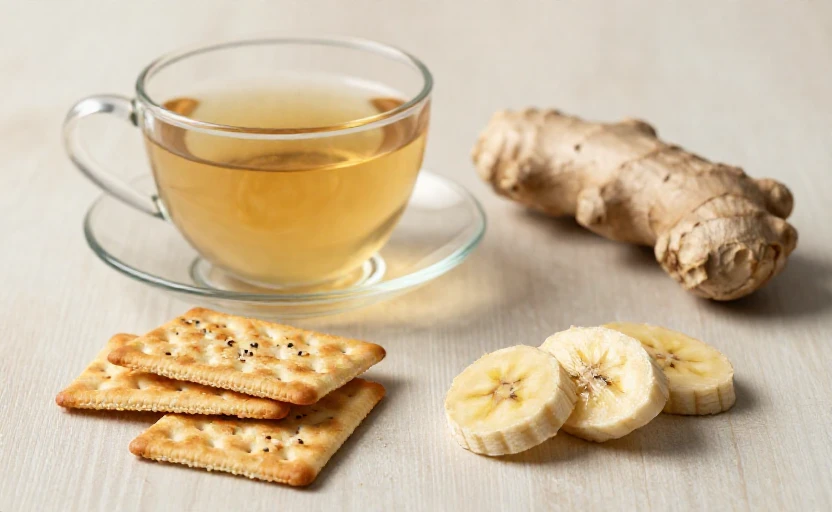
Shifting your focus to what you *can* eat is empowering. The BRAT diet (bananas, rice, applesauce, toast) is a classic for a reason—these foods are gentle. Other excellent options include:
- Ginger: In tea, chews, or grated into food, it’s a well-studied nausea reliever.
- Cold or Room-Temperature Foods: They emit less odor than hot foods.
- Salty, Dry Carbohydrates: Plain crackers, pretzels, or dry toast eaten before getting out of bed can help settle your stomach.
- High-Protein Snacks: Nuts, a hard-boiled egg, or a slice of cheese can help stabilize blood sugar.
- Hydration in Sips: Use a straw and take small sips of water, coconut water, or electrolyte drinks throughout the day. Trying to gulp a full glass can overwhelm a queasy stomach.
Remember, this phase is temporary. As you move into the second trimester, most people find their tolerance for a wider variety of foods returns. Until then, be kind to yourself, honor your body’s signals, and focus on getting through the day with as much comfort as possible.