If you’re navigating the waves of menopause, you’re likely familiar with the sudden, intense heat of a hot flash. While they’re a common experience, their frequency and intensity can vary dramatically from person to person. What you might not realize is that the foods on your plate could be playing a significant role in either turning up the heat or helping to cool things down. The connection lies in inflammation—a subtle, body-wide process that can influence everything from joint pain to those very flashes.
Emerging research suggests that a diet focused on reducing inflammation may offer a supportive, natural strategy for managing menopausal symptoms, particularly hot flashes. This isn’t about a single miracle food, but rather a shift in your overall eating pattern toward foods that calm your system, rather than provoke it. By understanding which foods help and which may hinder, you can create a dietary environment that supports greater comfort and balance during this transition.
How Inflammation and Hot Flashes Are Connected
To see why food matters, it helps to understand the link. Hot flashes are believed to be triggered by changes in the hypothalamus—the part of your brain that acts as your body’s thermostat. As estrogen levels decline, this thermostat becomes more sensitive to slight changes in body temperature, overreacting and signaling your body to cool down rapidly (hence the flush and sweat).
Chronic, low-grade inflammation can exacerbate this sensitivity. Think of inflammation as a background hum of irritation in your body’s systems. When this hum is loud, your nervous system is already on high alert, potentially making the hypothalamus even more reactive. An anti-inflammatory diet aims to lower that background hum, creating a calmer internal state where your thermostat isn’t so easily triggered.
The goal isn't to eliminate inflammation entirely—it's a necessary immune response—but to prevent it from becoming a constant, low-grade state that can worsen symptoms.
Foods to Embrace for a Cooling Effect
Building your meals around whole, nutrient-dense foods is the cornerstone of an anti-inflammatory approach. These foods provide antioxidants and compounds that help neutralize the cellular stress that drives inflammation.
Fatty Fish and Omega-3s
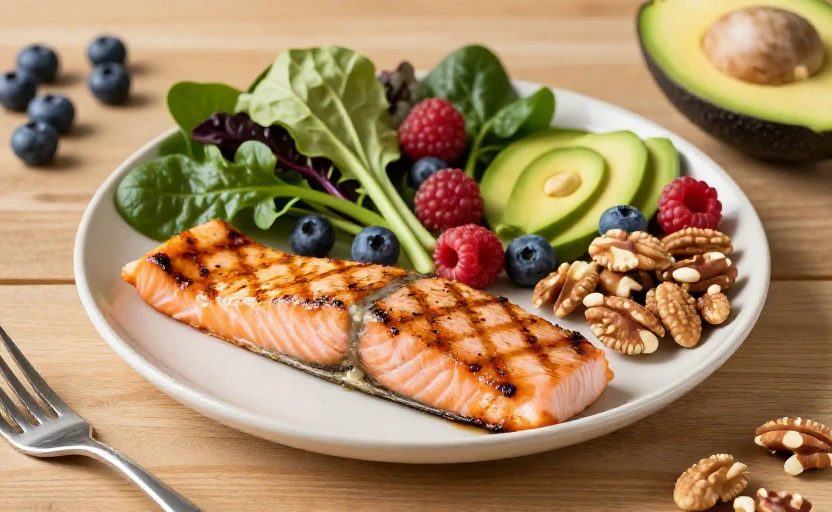
Fatty fish like salmon, mackerel, sardines, and anchovies are rich in omega-3 fatty acids, specifically EPA and DHA. These are powerful anti-inflammatory agents. Studies have shown that omega-3s can help reduce the frequency of hot flashes and night sweats. Aim to include these fish in your diet at least twice a week.
A Rainbow of Fruits and Vegetables
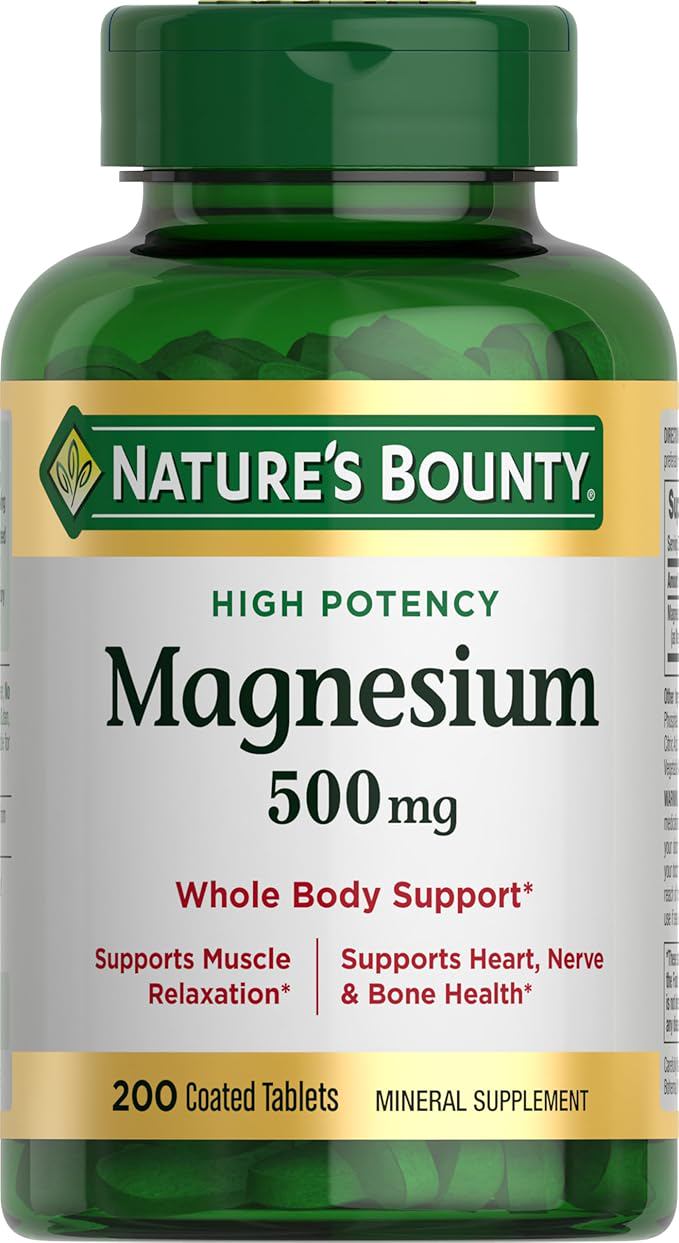
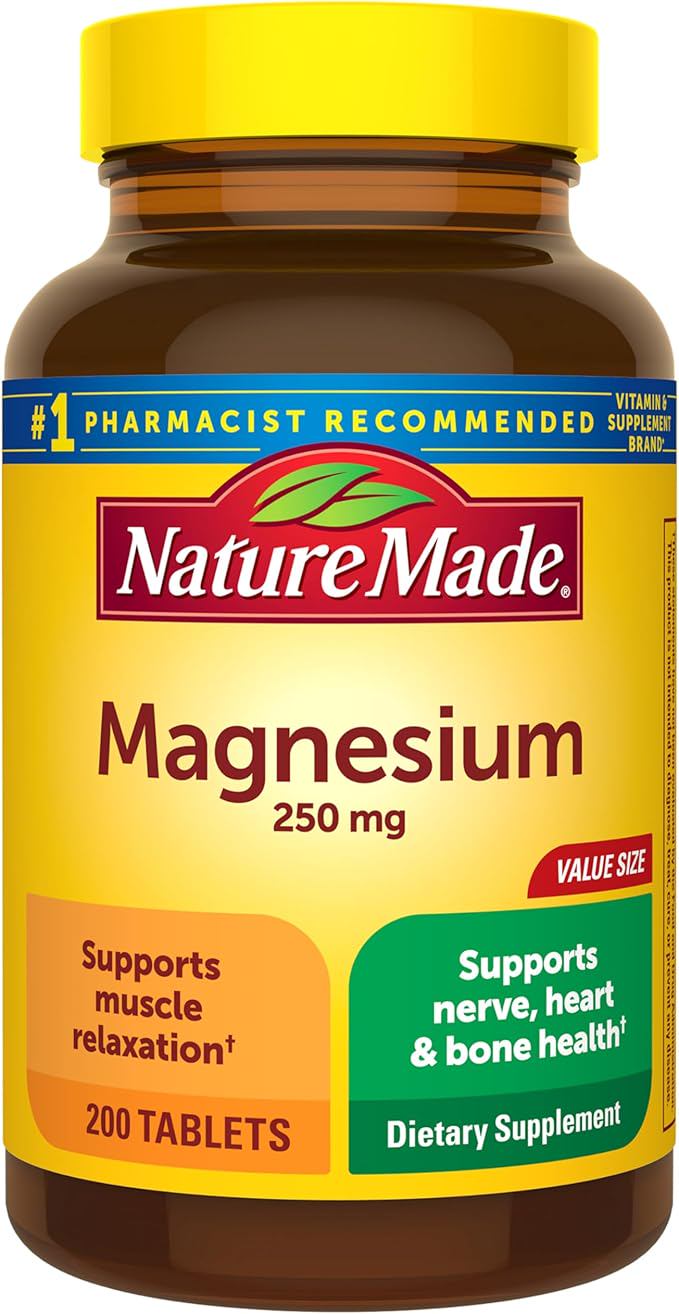
The vibrant colors in produce are often signs of beneficial phytonutrients. Berries (blueberries, strawberries, raspberries) are packed with antioxidants. Dark leafy greens like spinach and kale are rich in magnesium, which can support nervous system regulation. Cruciferous vegetables—broccoli, cauliflower, Brussels sprouts—contain compounds that may help with estrogen metabolism.
Healthy Fats and Oils
Not all fats are created equal. Focus on sources of monounsaturated and polyunsaturated fats. Extra virgin olive oil is a superstar, containing oleocanthal, a compound with anti-inflammatory properties similar to ibuprofen. Avocados, nuts (especially walnuts and almonds), and seeds (flaxseeds, chia seeds) are also excellent choices. Flaxseeds offer the bonus of lignans, which may have mild estrogenic effects.
Whole Grains and Legumes
Swap refined grains for their whole counterparts. Quinoa, brown rice, oats, and barley provide steady energy and fiber, which supports gut health—a key player in overall inflammation. Beans, lentils, and chickpeas are fantastic sources of plant-based protein and fiber, helping to stabilize blood sugar levels, which can also impact hot flashes.
Foods and Habits That May Turn Up the Heat
Just as some foods cool inflammation, others can fan the flames. Being mindful of these can be just as important as adding the beneficial ones.
- Added Sugars and Refined Carbs: Sugary drinks, pastries, white bread, and processed snacks can cause rapid spikes and crashes in blood sugar, triggering a stress response and promoting inflammation.
- Processed Meats and Trans Fats: Foods like hot dogs, sausages, and many packaged snacks often contain unhealthy fats and additives that can promote inflammatory pathways.
- Excessive Alcohol and Caffeine: Both are common triggers for hot flashes. Alcohol is a vasodilator, meaning it widens blood vessels, which can bring on a flash. Caffeine can have a stimulating effect on the nervous system. Notice how your body responds; you may find benefit from reducing or timing your intake.
- Spicy Foods: For many, capsaicin (the compound that makes chili peppers hot) is a direct trigger for hot flashes. It’s worth noting if this is a personal trigger for you.
Putting It All Together on Your Plate
This isn’t about a restrictive diet, but a pattern of eating. A practical way to start is with the “plate method.” Visualize your lunch or dinner plate: aim for half to be filled with non-starchy vegetables, a quarter with a quality protein (like fish, tofu, or legumes), and a quarter with a whole-grain or starchy vegetable. Drizzle with olive oil and add herbs and spices liberally—turmeric and ginger are renowned for their anti-inflammatory properties.
Stay hydrated with water throughout the day. Dehydration can sometimes mimic or worsen the feeling of a hot flash. Herbal teas like chamomile or peppermint can be soothing alternatives.
Start with one change, like adding a serving of fatty fish each week or swapping your afternoon snack for a handful of nuts and berries. Consistency over time is more powerful than perfection.
A Supportive Lifestyle Beyond Food
While food is a powerful tool, it works best alongside other supportive habits. Regular physical activity, even gentle walking or yoga, helps regulate stress hormones and reduce inflammation. Prioritizing sleep is non-negotiable; fatigue lowers resilience to all symptoms. Stress-management techniques like deep breathing, meditation, or spending time in nature can directly calm the nervous system and, by extension, may help moderate hot flash triggers.
Remember, every woman’s journey through menopause is unique. What triggers a hot flash in one person may not in another. Consider keeping a simple journal for a few weeks to track your food, stress, sleep, and symptoms. You may discover your own personal patterns, empowering you to make the most effective choices for your own comfort and well-being.