
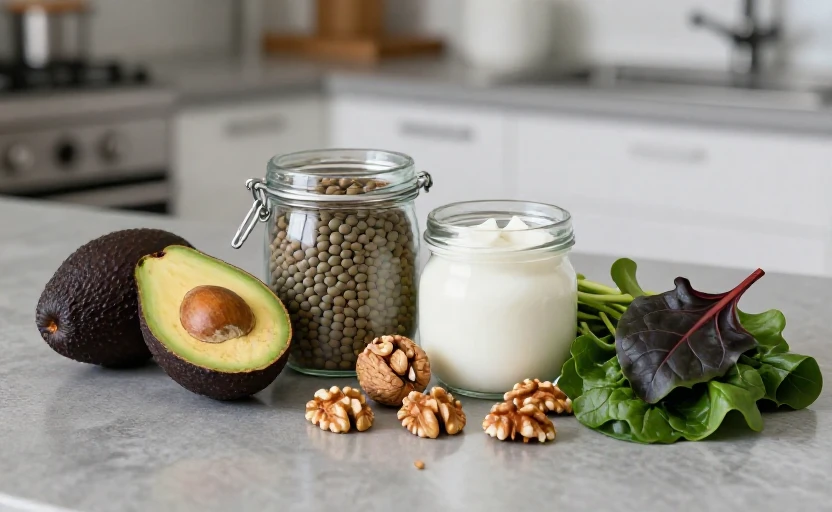
The first trimester is a time of profound, invisible change. While you may not look pregnant yet, your body is laying the foundational blueprint for your baby’s entire development. Nutrition during these early weeks becomes less about eating for two and more about eating with intention—choosing foods that directly support the incredible cellular construction project underway.
Focusing on specific, nutrient-dense foods can help manage common symptoms like fatigue and nausea while ensuring you’re delivering the raw materials your baby needs most. It’s not about a perfect diet, but about strategic, gentle nourishment for you both.
Why the First Trimester Is Nutritionally Unique
This initial phase is defined by rapid cell division and organ formation, a process known as organogenesis. The neural tube, which becomes the brain and spinal cord, closes by week six. The heart begins to beat, and tiny limb buds form. All of this happens before many women have their first prenatal appointment.
Because this development is so rapid and critical, the nutritional demands are specific. Key vitamins and minerals act as essential co-factors in these processes. At the same time, your own body is undergoing significant hormonal shifts that can make eating a challenge. The goal, then, is to identify foods that are both powerhouse sources of necessary nutrients and often gentle enough for a sensitive stomach.
Think of your first trimester plate as a toolkit: each food brings a specific set of nutrients to support the foundational work happening within.
Five Foods to Prioritize in Your Early Pregnancy Diet
Instead of a long list of restrictions, let’s focus on inclusion. These five food categories deliver a high concentration of the nutrients most vital during the first thirteen weeks.
1. Lentils and Beans
If fatigue has hit you hard, turn to legumes. Lentils, chickpeas, black beans, and kidney beans are excellent sources of iron and B vitamins, particularly folate. Iron is crucial for making the extra blood volume your body is creating to support the placenta and baby. Plant-based iron (non-heme iron) is best absorbed when paired with a source of vitamin C—think adding bell peppers to a lentil soup or squeezing lemon over a chickpea salad.
Perhaps even more importantly, legumes are packed with folate, the natural form of folic acid. This B vitamin is critical for preventing neural tube defects. While a prenatal vitamin is essential, getting folate from food provides a synergistic blend of nutrients and fiber, which also helps with early pregnancy constipation.
2. Avocado
This creamy fruit is a first trimester ally for several reasons. It’s rich in healthy monounsaturated fats, which are important for your baby’s brain and tissue development. Avocado is also a surprising source of folate and vitamin B6. Emerging research suggests B6 may help alleviate nausea for some people, making avocado a potential two-in-one choice for nutrition and symptom relief.
Its mild flavor and soft texture often make it palatable when other foods aren’t. Try it mashed on whole-grain toast, blended into a smoothie for creaminess, or simply sliced with a pinch of salt.
3. Greek Yogurt
Calcium needs remain high in pregnancy, supporting your baby’s bone development and your own skeletal health. Greek yogurt provides a concentrated source of calcium and, importantly, high-quality protein. Protein needs increase in pregnancy, and it’s a key building block for your baby’s cells.
Many people also experience food aversions to meat in the first trimester. Greek yogurt can serve as an alternative, easily digestible protein source. Opt for plain versions to avoid added sugars, and add your own fruit or a drizzle of honey. The probiotics in yogurt may also support digestive health, which can be out of sorts during early pregnancy.
4. Walnuts
For a quick, no-prep snack that delivers a significant nutritional punch, keep walnuts on hand. They are one of the richest plant sources of omega-3 fatty acids, specifically alpha-linolenic acid (ALA). These fats are vital for brain and eye development.
Walnuts also provide protein, fiber, and magnesium. Magnesium plays a role in hundreds of biochemical reactions in your body and may help with muscle cramps and sleep—both common early pregnancy concerns. A small handful added to oatmeal, yogurt, or eaten alone can be a simple way to incorporate these benefits.
5. Dark Leafy Greens
Spinach, kale, Swiss chard, and collard greens are nutrient-dense superstars. They are loaded with folate, iron, calcium, and fiber. They also contain antioxidants that support cellular health. If the idea of a large salad is unappealing, which is common with first trimester aversions, find stealthier ways to incorporate them.
Blend spinach into a fruit smoothie (you’ll hardly taste it), sauté kale with garlic and add it to scrambled eggs, or add chopped greens to soups and pasta sauces where they wilt down seamlessly.
Navigating Challenges: Nausea and Aversions
Knowing what to eat and being able to eat it are two different things. If nausea or strong aversions make any of these foods seem impossible, be gentle with yourself. Nutrition in the first trimester is often about survival and doing the best you can.
Try these adjustments: eat smaller, more frequent meals to keep your blood sugar stable. Eat cold foods like yogurt or smoothies, as they often have less aroma than hot foods. If textures are an issue, blend foods together—a smoothie with spinach, avocado, yogurt, and frozen fruit can cover multiple bases in a sipable form. Sometimes, dry, bland carbohydrates like crackers or toast are all you can manage first thing in the morning; that’s okay. Follow them with a more nutrient-dense choice when you feel able.
Building a Supportive Plate
The goal isn’t to eat only these five foods, but to use them as anchors. Build meals and snacks around them when possible. A sample day might look like: oatmeal with walnuts and a side of Greek yogurt for breakfast; a lentil soup with leafy greens for lunch; an avocado and chickpea salad wrap for dinner; and sliced vegetables as snacks.
Remember, hydration is part of nutrition too. Nausea can be worsened by dehydration. Sip water throughout the day, and consider herbal teas like ginger or peppermint if they appeal to you.
Your first trimester diet is the first gift of nourishment you give to your growing baby. By focusing on these targeted, whole foods, you’re providing the essential building blocks for a healthy start, while also caring for your own well-being during this transformative time.