You are doing the right thing for your skin—retinoids are one of the most researched ingredients for cell turnover, collagen production, and long-term skin health. But if you are waking up to dry patches, peeling skin, or that telltale tightness, you may wonder if the irritation is worth it. The good news: flaking does not mean the treatment is failing, and you do not have to stop using it. Here is how to manage the dryness without abandoning the results.
Why Retinoids Cause Flaking
Flaking is a sign that the ingredient is working—specifically, accelerating the shedding of dead skin cells. Retinoids increase the skin cell turnover rate, which lifts the old, compacted cells off the surface faster than normal. This process naturally disrupts the skin barrier, leading to transepidermal water loss and temporary dryness. The effect is most common in the first four to six weeks, commonly called the retinization period. Your skin needs time to adapt, and the flaking phase is part of that adjustment.
"Flaking is not damage—it is a byproduct of renewal. The key is to support the barrier while letting the retinoid do its job."
Adjust Your Application Strategy
Before reaching for more moisturizer or a gentler formula, check how you are applying the retinoid. Small technique shifts can reduce irritation significantly.
The Sandwich Method
Apply your moisturizer to clean, damp skin first. Wait five minutes for it to absorb. Then apply a pea-sized amount of retinoid over the moisturizer. Finish with a second layer of moisturizer. This buffer reduces the concentration that reaches the deeper layers of the skin without blocking the ingredient entirely. Many dermatologists recommend this method during the first two weeks of use or whenever flaking escalates.
Frequency Adjustment
If you are applying nightly and flaking is intense, step back to every second or third night. The half-life of topical retinoids in the skin means that using it less often still produces cumulative benefits. A routine of two to three times per week for a month before increasing is a proven way to acclimate the skin.
Wait Times That Matter
After cleansing, wait ten to fifteen minutes before applying retinoid. Skin that is even slightly damp absorbs retinoid more deeply, increasing the risk of irritation. A completely dry face allows for a more controlled penetration.
Moisturizers That Actually Help
Not all moisturizers are equal when the skin barrier is compromised. Look for formulations that support barrier repair rather than just adding temporary hydration.
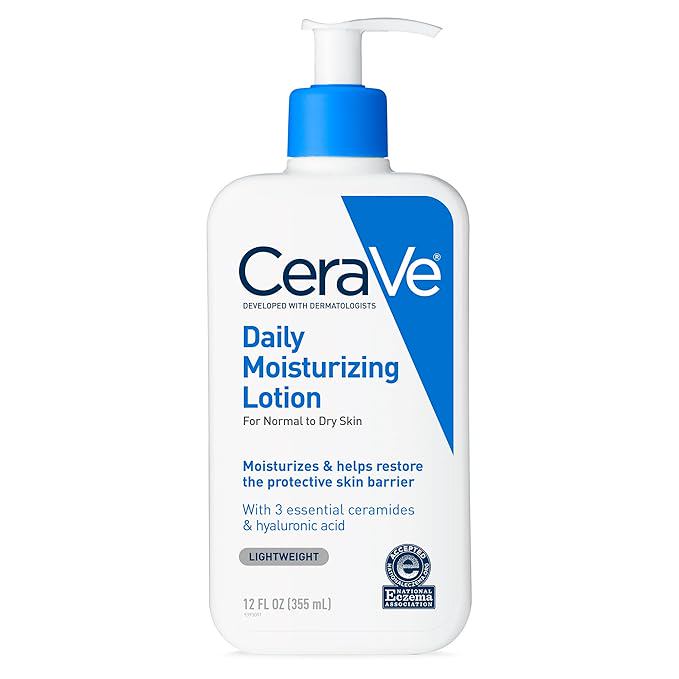
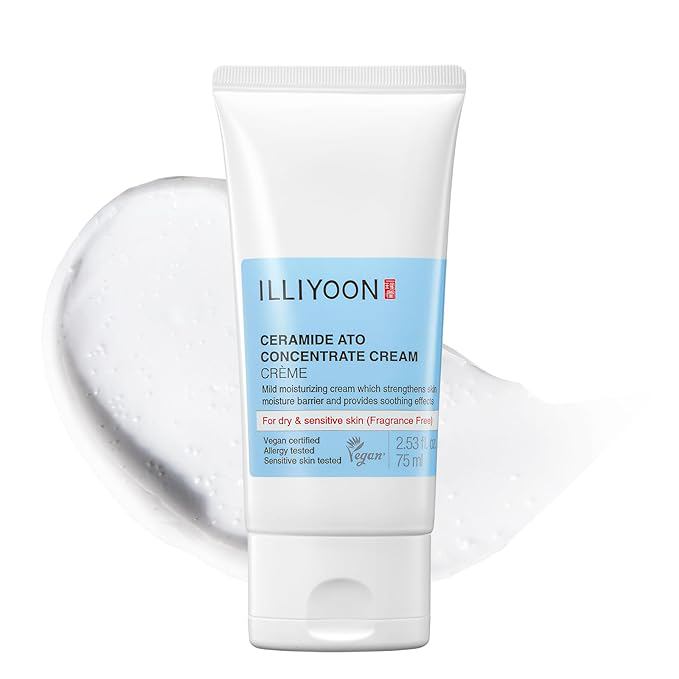
- Ceramides mimic the natural lipid structure of the skin and fill the gaps between cells, reducing water loss directly.
- Niacinamide has anti-inflammatory properties and supports ceramide production. It pairs well with retinoids and can be used in the same routine.
- Panthenol (provitamin B5) acts as a humectant and has a soothing effect on irritated skin. Many post-procedure balms rely on it.
- Urea in low concentrations (5% or less) gently exfoliates while hydrating, which can help manual flaking without scrubbing.
Avoid heavy petrolatum-based occlusives directly over retinoid until your skin has adapted, as these can increase penetration and irritation. Once the flaking subsides, you can use a thin layer of occlusive as a final step on non-retinoid nights.
Gentle Cleansing Is Non-Negotiable
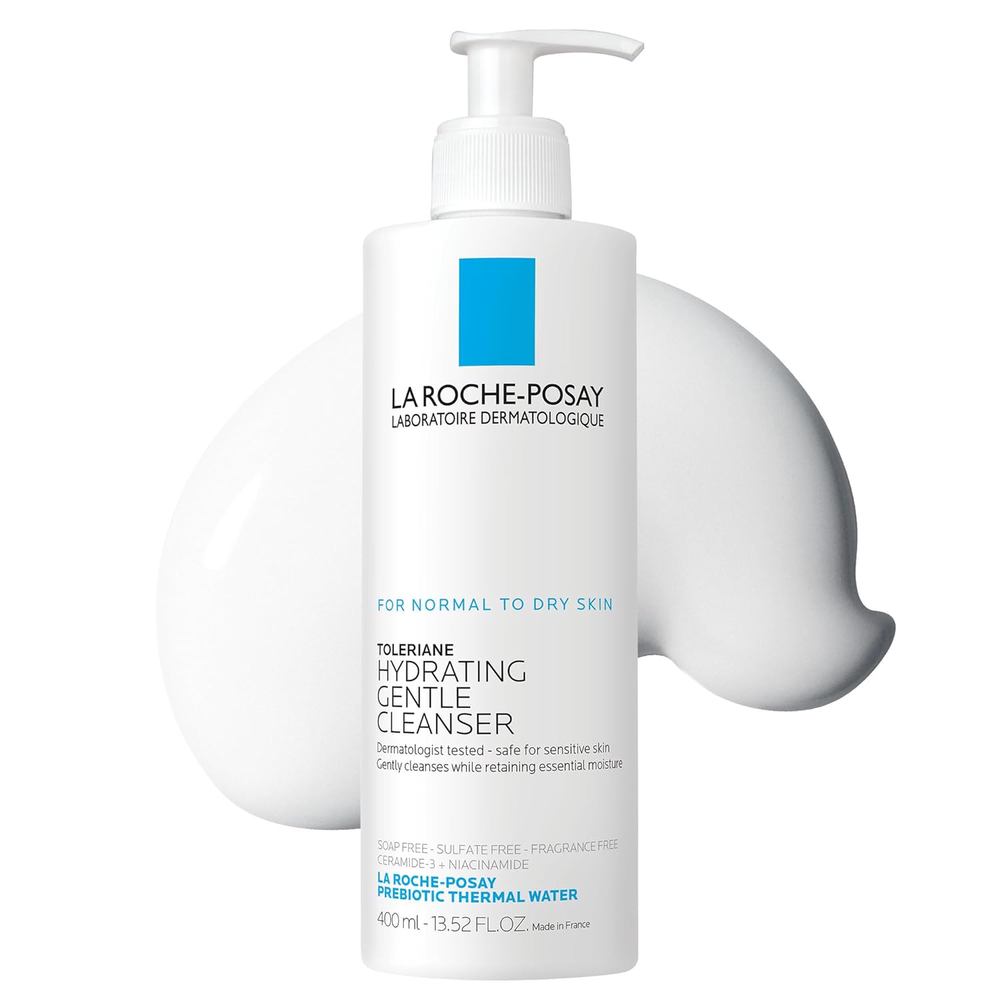
If you are using a foaming or exfoliating cleanser, swap it for a non-foaming, cream-based or oil-based cleanser. Harsh surfactants strip the barrier further and worsen flaking. Double cleansing in the evening—first with an oil-based cleanser to remove sunscreen and makeup, then with a gentle milk or cream cleanser—leaves the skin clean but not stripped. In the morning, rinse with water or use a micellar water if your skin feels oily. Do not use physical scrubs, cleansing brushes, or exfoliating acids (AHAs, BHAs) during the retinization period.
Hydration Boosters for Tough Days
When the flaking feels noticeable even after moisturizing, a few targeted products can provide relief without adding irritation.
- A hydrating toner or essence applied before moisturizer adds a layer of humectants (glycerin, hyaluronic acid) that draw water into the upper layers of the skin.
- Facial oil with squalane, jojoba, or rosehip seed oil can be used as a final step on non-retinoid nights. A few drops mixed into moisturizer works well.
- A gentle sleep mask or overnight balm applied once or twice per week provides intense barrier support without disrupting the routine.
When To Be Concerned
Some redness and mild stinging upon product application is normal during retinization. However, if you experience persistent burning, deep cracks in the skin, or spreading red patches that are hot to the touch, stop the retinoid immediately. These signs indicate your barrier is damaged rather than adapting. Give your skin a break for at least three to seven days, focusing only on barrier repair with ceramide-rich moisturizers and a gentle cleanser. When you restart, begin with the sandwich method at half the frequency and avoid the sensitive neck and eye areas.
Realistic Expectations
Most people experience flaking for two to four weeks. Some notice it longer, especially if they increase strength or frequency too quickly. Once the skin adjusts, flaking typically stops even with continued nightly use. The key is consistency and patience. If you still experience significant flaking after eight weeks, consider switching to a lower concentration of the same retinoid or trying a retinyl ester, which converts more slowly in the skin and tends to be less irritating.
Retinoids are a long-term commitment to skin health. A few weeks of flaking is a small price for the improvements in texture, tone, and resilience that follow. By adjusting your technique and supporting your skin barrier, you can stay the course and let the ingredient do what it does best.