Finding the right menstrual cup can feel like a guessing game, and sizing is where most people get tripped up. Unlike pads or tampons, one size does not fit all. Your fit depends on a combination of your anatomy, flow, and even life events like childbirth. Here are expert-backed tips to help you choose the right menstrual cup size so you can use it with comfort and confidence.
Are Menstrual Cup Sizes Universal?
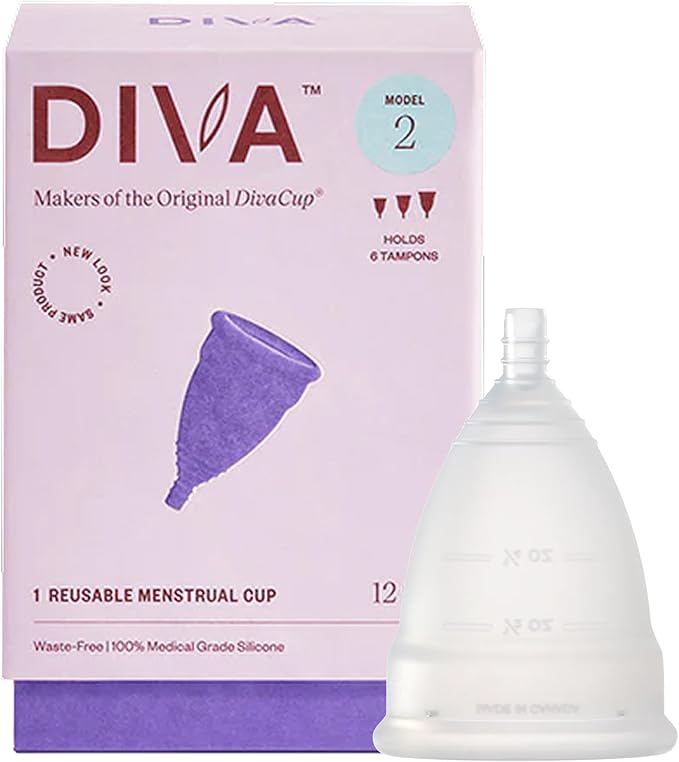
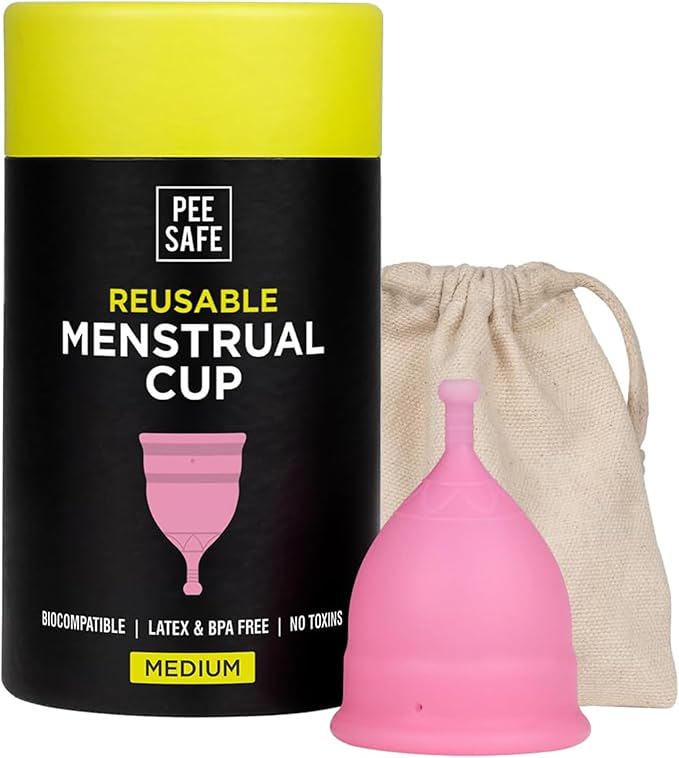
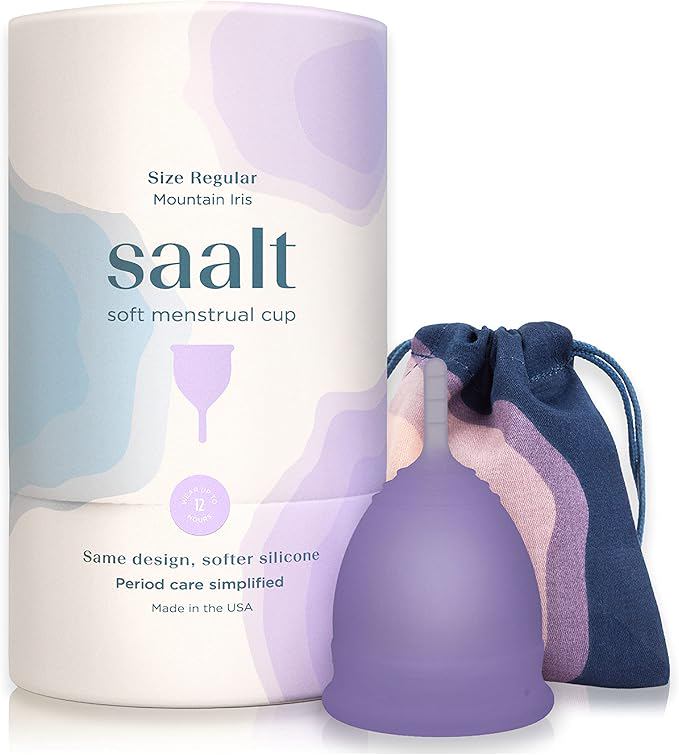
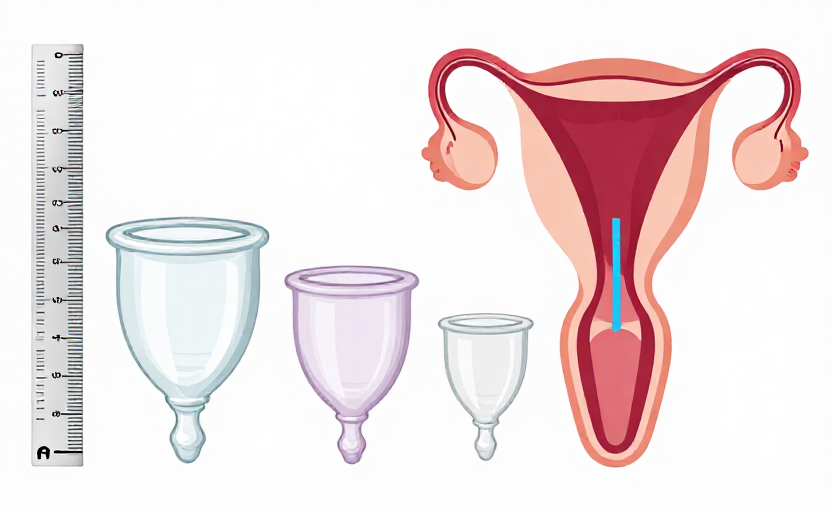
No, menstrual cup sizing is not standardized across brands. What one company calls “small” might be closer to another brand’s “medium.” Most manufacturers offer two sizes (often labeled “small” and “large”) while some include a “mini” or a “teen” option. Because the size labels don’t mean the same thing from brand to brand, it is essential to look at the actual measurements — especially the diameter and length — rather than the label alone.
Does Age Affect Which Menstrual Cup Size You Need?
Age itself is less of a factor than the changes your body goes through over time. The primary reason age is mentioned on cup sizing charts is that the pelvic floor muscles can weaken with age, particularly after pregnancy and menopause. If you are over 30 and have never given birth vaginally, you may still comfortably use a smaller cup. For those who have had a vaginal delivery or are in their late 30s or older, a larger cup often fits more securely because it provides a better seal against a more relaxed pelvic floor. The key is to look at your own anatomy, not just the number of candles on your birthday cake.
Should You Pick a Cup Based on Your Period Flow?
Your menstrual flow is one of the main reasons to consider two sizes. A lighter flow can be managed well with a smaller cup, which is usually easier to insert and remove. Heavy flow days often require a larger cup because it holds more volume — typically 25–40 ml versus 15–25 ml for a small cup. If you have a very heavy flow throughout your period, you may want a larger cup even if you are younger and have never given birth. Some people keep two sizes: a smaller one for lighter days and a larger one for heavy days.
What Role Does Cervix Height Play in Menstrual Cup Sizing?
Your cervix height (how high or low your cervix sits inside your vagina) is one of the most important factors in choosing a menstrual cup size. You can check your cervix height during your period by inserting a clean finger and feeling for a firm, round protrusion (like the tip of your nose). If you can reach it easily with your fingertip, you have a low cervix. If you can barely touch it or not at all, you have a high cervix.
- Low cervix: You need a shorter cup so it does not protrude or press uncomfortably. Look for cups labeled as “short” or “low cervix” sizes.
- High cervix: You can use a longer cup, which often holds more fluid and stays in place more easily. A cup that is too short might be difficult to retrieve.
- Average cervix: Most standard cups work well. Focus on diameter and firmness instead.
Note: The best way to know your cervix height is to check it during your period, because the cervix sits lower at that time of the month.
Does the Firmness of a Menstrual Cup Affect Sizing?
Firmness and size go hand in hand. A firmer cup tends to pop open more easily and provides a stronger seal, which can be helpful for active people or someone with a strong pelvic floor. However, a firmer cup also puts more pressure on the bladder or bowel, which can cause discomfort for those with sensitive anatomy. A softer cup is more comfortable to wear but may struggle to open fully or could leak if you have strong pelvic floor muscles. If you are between two sizes, consider the firmness: choose a smaller size in a firmer cup or a larger size in a softer cup.
Should You Choose a Menstrual Cup Size Based on Your Hymen?
The hymen is a thin membrane that partially covers the vaginal opening. While it is a common concern for first-time cup users, the hymen rarely affects menstrual cup sizing. The cup sits in the vaginal canal, which is much deeper than the hymen. The tissue stretches or is naturally open enough to accommodate a properly folded cup. If discomfort occurs during insertion, it is more likely related to the cup’s firmness or insertion technique, not the size itself.
Can You Use a Menstrual Cup After Giving Birth?
Yes, but you will likely need a different size after childbirth. Vaginal delivery stretches the pelvic floor and vaginal canal. A cup that fit perfectly before may no longer seal properly, leading to leaks. Many postpartum cup users size up — either to a larger model from the same brand or to a cup designed specifically for postpartum bodies. If you have had a C-section, the change is less dramatic, but your pelvic floor can still change due to pregnancy. It is recommended to wait until after your six-week postpartum checkup before using a menstrual cup, and then start with a larger size if needed.
Tips for Finding Your Right Fit
- Read the measurements: Check the diameter and length chart on the brand’s website. Compare them with your own anatomy.
- Use an online quiz: Many reputable cup brands offer a fit quiz that asks about your flow, birth history, and cervix height. These can give you a good starting point.
- Start with a budget-friendly cup: If you are unsure, try a less expensive cup first to see how you feel about the concept and the fit before investing in a premium model.
- Check the return policy: Some brands allow returns or exchanges if the size is wrong. Take advantage of that if you are nervous.
- Practice trimming the stem: If a cup feels too long, you can carefully trim the stem a little at a time. Only do this after you have worn it for a full cycle.
The bottom line: take the time to figure out your cervix height, consider your flow and birth history, and always check the specific measurements of the cup you are looking at. The right size should seal without leaks and be comfortable enough that you forget you are wearing it.