
Vaginal dryness is a common, yet often unspoken, experience for many women. It can arise at various life stages, from perimenopause and menopause to postpartum periods, during certain medical treatments, or simply from stress. The resulting discomfort—itching, burning, or pain during intimacy—can feel isolating, but it's important to know that it's a normal physiological response and, more importantly, manageable. With a compassionate and informed approach, you can find relief and restore comfort.
The key is understanding the underlying causes. Vaginal tissue is kept supple and lubricated by estrogen. When estrogen levels decline, the vaginal walls can become thinner, less elastic, and produce less natural moisture. This isn't just about sex; it can affect daily comfort. Fortunately, a range of strategies, from lifestyle adjustments to targeted products, can help support your body's natural balance.
What causes vaginal dryness?
While menopause is the most well-known trigger, it's far from the only one. Hormonal fluctuations are often the central player. Perimenopause, the years leading up to menopause, can start this process. Breastfeeding mothers experience a drop in estrogen, which can lead to postpartum dryness. Certain cancer treatments, like chemotherapy or hormone therapy for breast cancer, can also induce it. Surgical removal of the ovaries causes an immediate menopause.
Beyond hormones, everyday factors play a significant role. Medications such as some allergy pills, antidepressants, and cold medicines can have a drying effect. Stress and anxiety can impact your body's systems, including lubrication. Even products like scented soaps, douches, or laundry detergents can irritate sensitive vaginal tissue and disrupt its natural pH, exacerbating dryness.
Think of vaginal tissue like any other mucous membrane in your body—it needs consistent care and the right environment to stay healthy.
Daily habits that support vaginal health
Small, consistent changes in your routine can create a foundation for better comfort. Hydration is fundamental; drinking plenty of water supports all your body's tissues. For intimate wear, choosing breathable, cotton underwear allows for better air circulation, reducing moisture buildup that can lead to irritation.
Your shower routine matters, too. Avoid using harsh soaps, scented body washes, or douches in the vaginal area. Warm water and a gentle, fragrance-free cleanser for the external vulva are usually sufficient. The vagina is self-cleaning, and introducing products can strip away natural oils and disrupt its delicate bacterial balance.
If you are sexually active, communication and patience are vital. Taking more time for arousal allows for natural lubrication to build. Using a lubricant during intimacy isn't a sign of a problem; it's a tool for enhancing comfort and pleasure for both partners.
Finding the right moisturizers and lubricants
This is where targeted products can make a tangible difference. It's helpful to understand the distinction between moisturizers and lubricants, as they serve different purposes.
Vaginal moisturizers are designed for ongoing maintenance. They are typically applied every few days, regardless of sexual activity, to help rehydrate vaginal tissue and improve elasticity over time. They work to restore a more natural moisture level to the tissue itself.
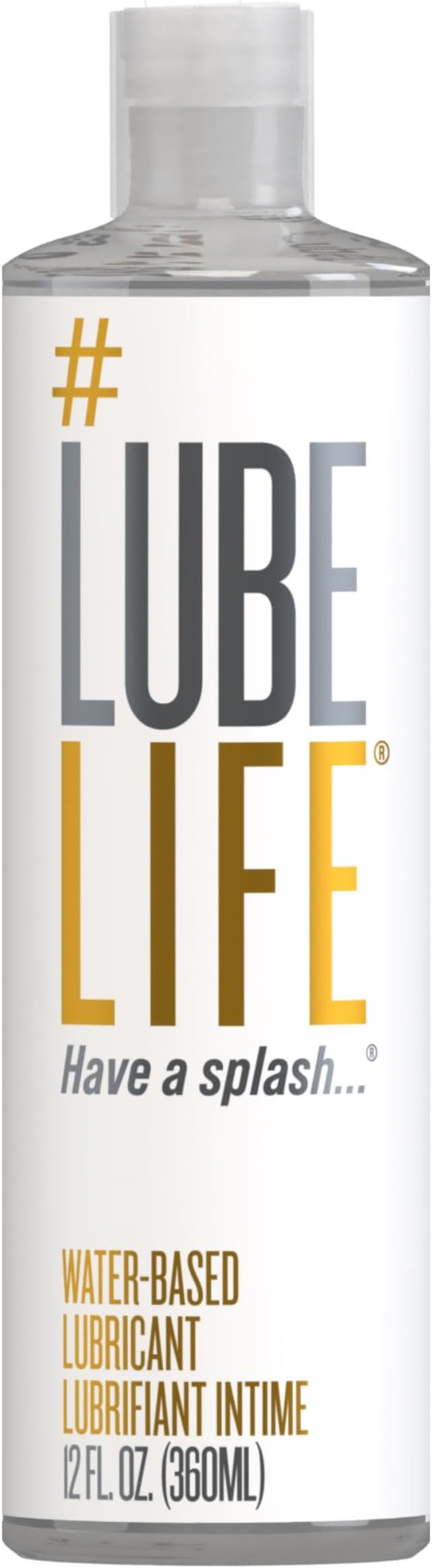
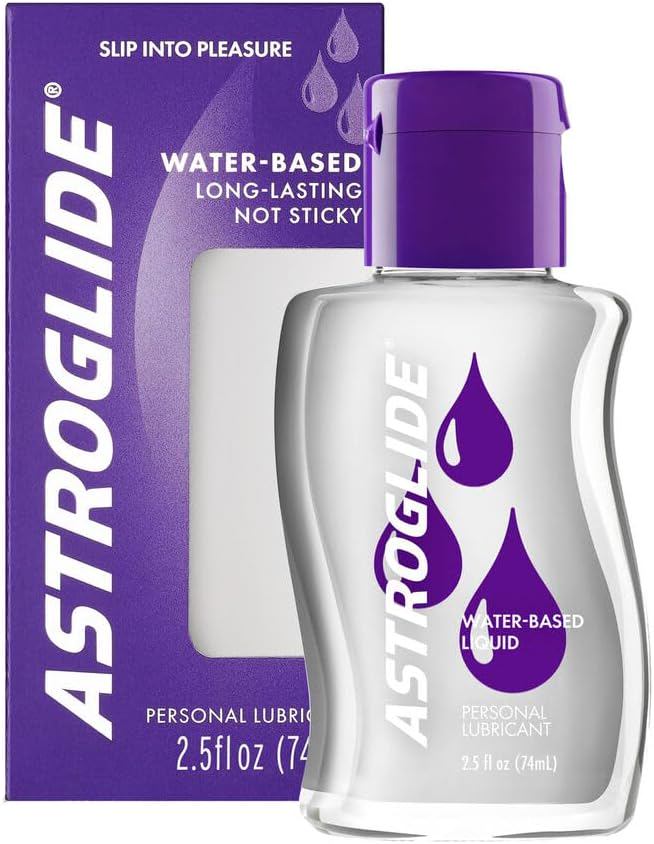
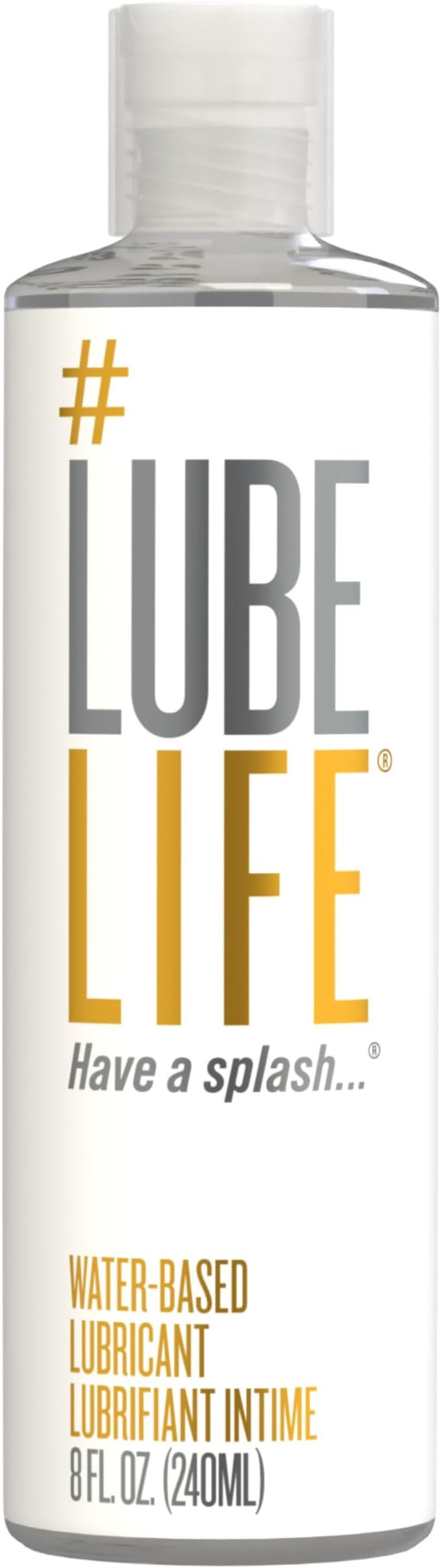
Personal lubricants are for immediate use during sexual activity to reduce friction. When choosing one, ingredient quality is key.
- Water-based and silicone-based lubricants are generally safe, effective, and compatible with condoms and sex toys. Look for options without glycerin or parabens, which can cause irritation for some.
- Oil-based lubricants (like coconut oil) can break down latex condoms, so they are not recommended for use with condoms. They can, however, be very moisturizing.
It may take some experimentation to find the product that feels best for your body. Starting with a small amount of a simple, water-based lubricant is often a good first step.
When to consider speaking with a healthcare provider
If dryness is persistent, severe, or accompanied by other symptoms like unusual discharge, bleeding, or pain, it's time to consult a doctor or gynecologist. They can rule out other conditions and discuss medical-grade options that aren't available over the counter.
For dryness linked to hormonal changes, they might discuss:
- Low-dose vaginal estrogen: This comes in a cream, tablet, or ring that delivers a small amount of estrogen directly to the vaginal tissue. Because it's localized, it minimizes the amount absorbed into the bloodstream, making it a safe option for many women, even some who cannot take systemic hormone therapy.
- Other prescription medications: Newer, non-estrogen prescriptions are also available that work to improve the health of vaginal cells.
Having an open conversation with your provider allows you to weigh the benefits and any potential risks based on your personal health history. There is no one-size-fits-all solution, and a solution that works for you is out there.
A holistic view of wellness
Managing vaginal dryness is part of overall self-care. The discomfort can affect mood, relationships, and self-image. Addressing it is an act of honoring your body's needs. Be patient with yourself as you explore what brings relief. What works may also change over time, and that's perfectly normal.
Remember, this is a common health topic. Seeking information and solutions is a proactive step toward feeling more comfortable and confident in your own skin.