
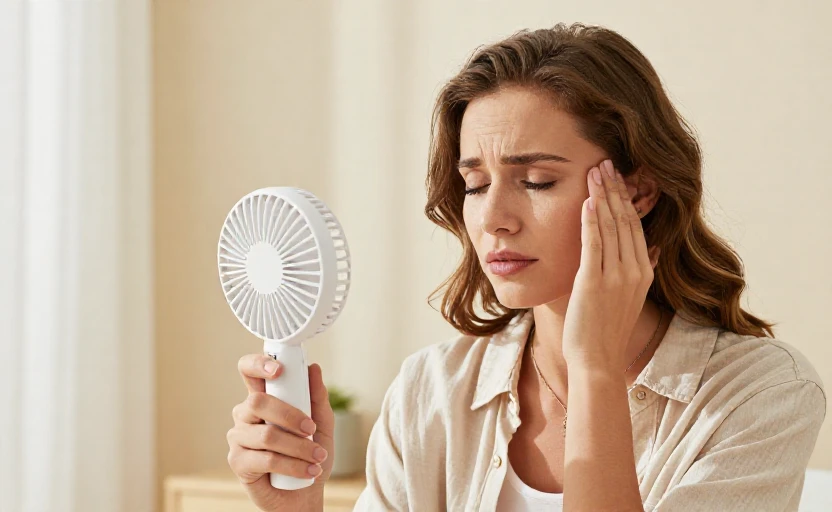
When a severe hot flash hits, it can feel like a sudden, personal summer that’s impossible to escape. The heat rises from your core, your skin flushes, and for several minutes, the world narrows to the singular experience of your body’s thermostat going haywire. For many, these episodes are more than a mild nuisance; they are intense, disruptive, and can significantly impact daily life. The good news is that you are not at the mercy of these waves of heat. A growing body of research and clinical experience points to a multi-layered approach that can help you regain a sense of control and comfort.
Managing severe hot flashes isn't about finding one magic bullet. It's about building a personalized toolkit of strategies that address the triggers, the physiology, and the moment itself. What follows are expert-backed methods, from immediate cooling techniques to longer-term lifestyle adjustments, that can help turn down the internal heat.
Understanding What Triggers the Fire
Before we explore management, it helps to know what you might be managing against. While the root cause is linked to fluctuating estrogen levels affecting the hypothalamus (your brain's thermostat), specific daily factors can act like gasoline on the flames. Common triggers include spicy foods, caffeine, alcohol (especially red wine), hot beverages, and smoking. Stress and anxiety are also major amplifiers, as they stimulate the release of adrenaline, which can kickstart a heating event.
Think of your body as having a lower threshold for heat during this time. What was once a warm room may now feel like an oven.
Emotional stress and a warm environment are two of the most potent triggers. Paying attention to the circumstances surrounding your severe flashes—perhaps by keeping a simple log for a week—can reveal your unique patterns and provide the first key to intervention.
Immediate Cooling Strategies for the Moment
When a hot flash begins, having a go-to response can reduce its intensity and duration. The goal is to help your body shed heat quickly and efficiently.
- Cool the pulse points. Applying something cool to your wrists, neck, temples, or the insides of your elbows can provide rapid relief. These areas have blood vessels close to the skin's surface, so cooling them helps lower your core temperature faster. A damp cloth, a cool gel pack, or even running your wrists under cold water can help.
- Use a personal fan. A small, portable fan—many now come as handheld or wearable devices—creates an immediate micro-climate of moving air. The breeze promotes evaporation from your skin, which is one of the body's most effective natural cooling mechanisms.
- Sip cool water. Taking slow sips of cold water can help lower your internal temperature. Staying well-hydrated throughout the day also helps your body regulate temperature more effectively overall.
- Practice paced breathing. When a flash starts, breathing often becomes shallow. Deep, slow, diaphragmatic breathing (aim for 6-8 breaths per minute) can activate the body's relaxation response and may help shorten the episode. Try inhaling for a count of four, and exhaling for a count of six or seven.
Lifestyle Foundations for Long-Term Resilience
What you do daily builds the foundation for how your nervous system responds to triggers. Consistent habits can raise your threshold for experiencing severe flashes.
Dress in Strategic Layers
Your clothing is your first line of defense. Choose natural, breathable fabrics like cotton, linen, and moisture-wicking technical fabrics. Dressing in light layers allows you to peel off a cardigan or jacket the moment you feel warmth rising. Avoid tight-fitting synthetic fabrics that trap heat.
Mind Your Environment
Take control of your immediate surroundings. Keep your bedroom cool at night—many find a temperature between 60-67°F (15-19°C) ideal. Use moisture-wicking bedding and consider a cooling mattress pad or pillow. At work or home, position yourself near a fan, vent, or window you can open.
Move Your Body Regularly
Regular physical activity is one of the most consistently recommended strategies. It helps stabilize mood, improve sleep, and may help regulate the hypothalamic thermostat over time. The key is consistency over intensity. Brisk walking, swimming, yoga, and strength training are all excellent choices. Listen to your body and avoid exercising in overly hot environments.
Explore Mind-Body Techniques
Since stress is a major trigger, practices that calm the nervous system can be powerful. Clinical studies have shown that mindfulness-based stress reduction (MBSR) and cognitive behavioral therapy (CBT) specifically tailored for menopause can reduce the perceived severity and bother of hot flashes. These techniques don't necessarily stop the physiological event but can change your relationship to it, making it feel less distressing and overwhelming.
When to Discuss Further Options with a Healthcare Provider
If severe hot flashes are significantly disrupting your sleep, work, or quality of life, it's a clear signal to have a detailed conversation with a doctor or menopause specialist. They can review your personal health history and discuss a broader range of options.
Hormone therapy (HT), using estrogen alone or with progesterone, remains the most effective medical treatment for relieving vasomotor symptoms like hot flashes. For those who cannot or prefer not to use hormones, there are non-hormonal prescription medications that have been found helpful. The decision is highly individual and depends on your symptoms, health history, and personal preferences.
A productive conversation with your provider starts with specific details: How many flashes do you have per day? How intense are they on a scale of 1-10? How are they impacting your sleep and daily activities?
Remember, you are the expert on your own experience. Bringing clear information to the appointment helps your provider offer the most tailored guidance for your situation. Managing severe hot flashes is a journey, but it is one you don't have to take without a map and a well-stocked toolkit.