For many, the monthly arrival of a period is accompanied by more than just a change in routine—it brings a wave of pain that can disrupt days, plans, and overall well-being. While some mild cramping is common, chronic, severe menstrual cramps (clinically known as dysmenorrhea) are a signal from your body worth understanding and addressing with care.
Navigating this pain doesn't have to mean a resigned acceptance or relying solely on quick fixes. A sustainable approach often involves a combination of lifestyle adjustments, supportive therapies, and professional guidance. Let's explore some expert-backed strategies that can help you build a more manageable relationship with your cycle.
Understanding the Source of the Pain
Before diving into management, it helps to know what's happening. Primary dysmenorrhea is caused by natural chemicals called prostaglandins, which make the uterine muscle contract to help shed its lining. Higher levels can lead to stronger, more painful contractions and inflammation. Secondary dysmenorrhea is pain caused by an underlying reproductive health condition, such as endometriosis or fibroids. This distinction is crucial because management strategies can differ.
Chronic pain that worsens over time or doesn't respond to typical remedies should be evaluated by a healthcare provider to rule out or address secondary causes.
Foundational Lifestyle Approaches
Daily habits can significantly influence inflammation and pain perception. Consistency here often lays the groundwork for other strategies to work more effectively.
Nutritional Support: What you eat can either fuel inflammation or help dampen it. Focusing on anti-inflammatory foods is a practical starting point. This includes:
- Omega-3 fatty acids, found in fatty fish like salmon, walnuts, and flaxseeds.
- Magnesium-rich foods like leafy greens, almonds, avocados, and dark chocolate, which may help relax muscles.
- Reducing intake of inflammatory triggers such as excessive sugar, refined carbohydrates, and trans fats in the days leading up to your period.
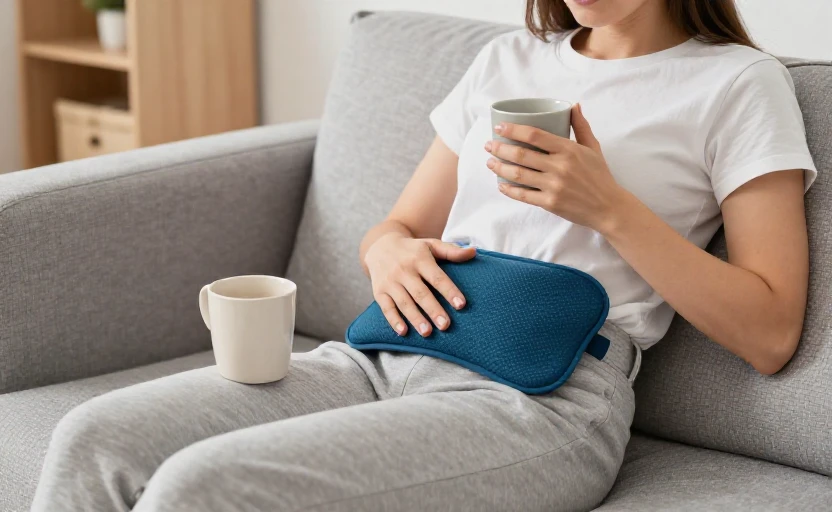
Movement and Heat: While curling up may feel like the only option, gentle movement can increase blood flow and release endorphins, the body's natural painkillers. Activities like walking, gentle yoga, or stretching can be beneficial. Applying a heating pad or warm compress to your lower abdomen is a time-tested, effective way to relax contracting muscles and soothe pain.
Targeted Therapies and Supplements
Several complementary approaches have research supporting their use for menstrual discomfort. It's wise to discuss any new supplement with your doctor, especially if you have other health conditions or take medications.
Key Supplements:
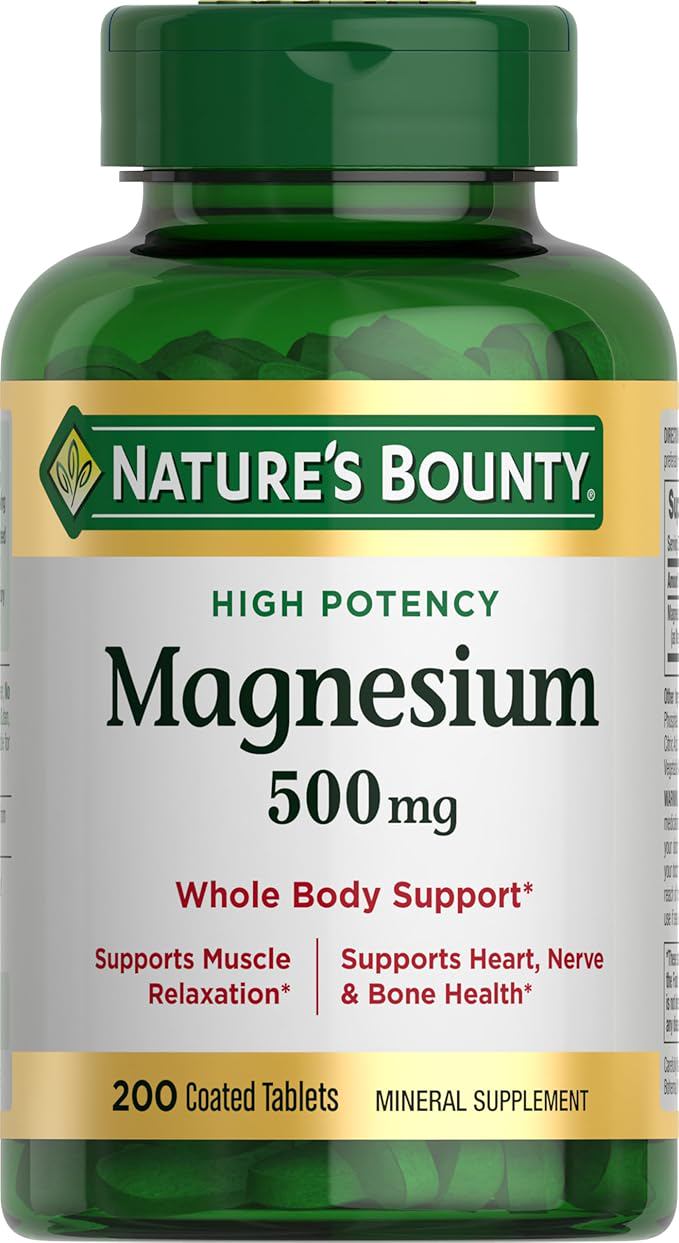
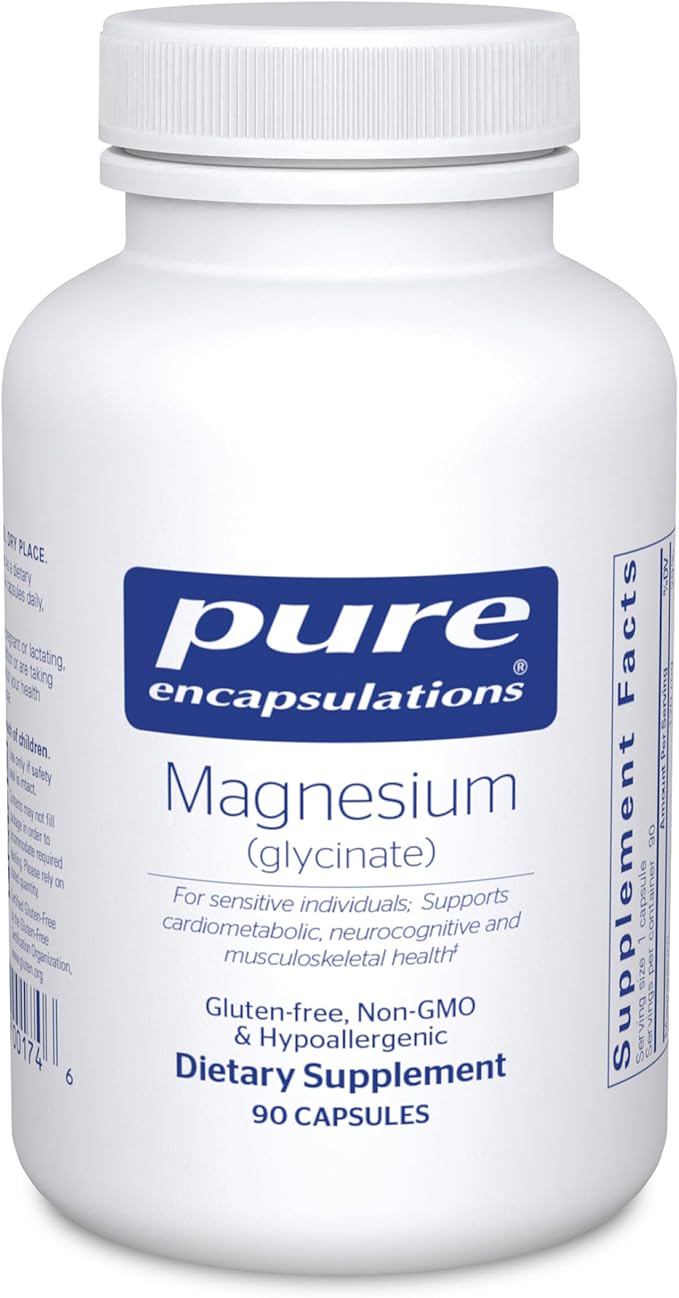
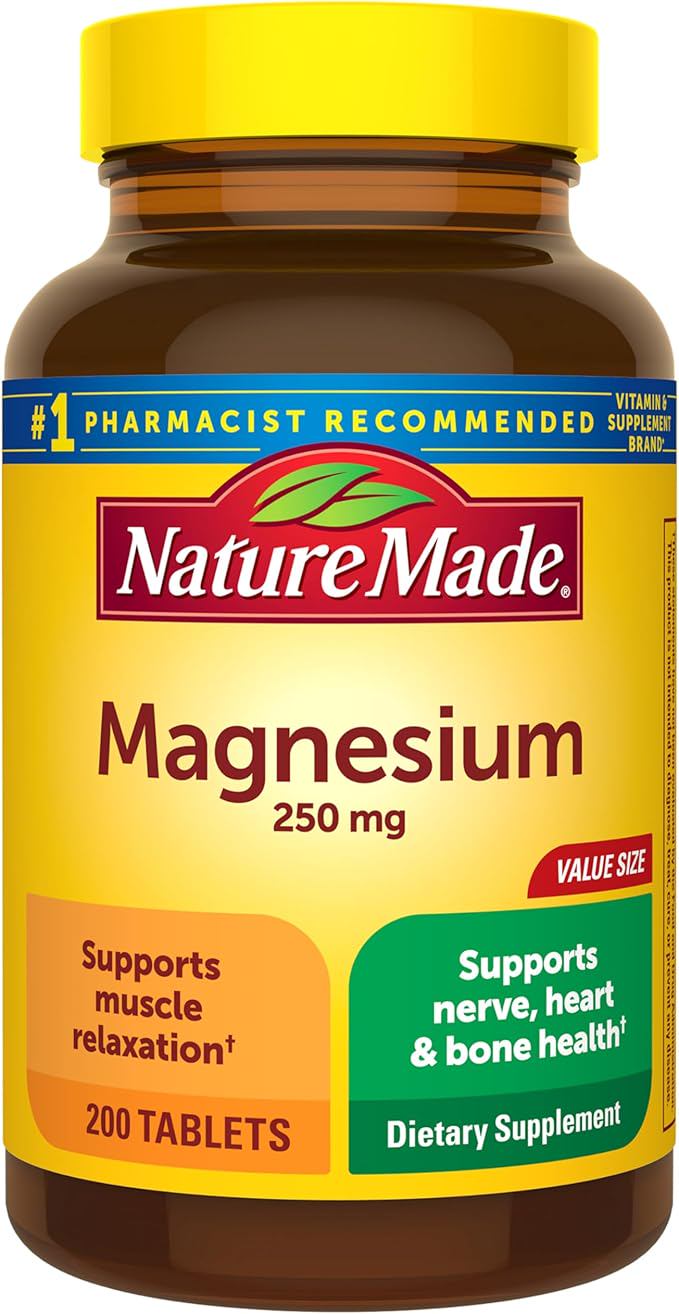
- Magnesium: This mineral plays a role in muscle relaxation and nerve function. Some studies suggest supplementation can reduce the severity of cramps.
- Omega-3s: Beyond dietary sources, fish oil supplements have been shown in research to reduce menstrual pain intensity, likely due to their potent anti-inflammatory effects.
- Vitamin B1 (Thiamine) and Vitamin E: Some clinical trials have found these vitamins can significantly reduce pain scores compared to a placebo.
Mind-Body Techniques: Stress can amplify pain. Practices like diaphragmatic breathing, mindfulness meditation, or guided relaxation can help calm the nervous system, making pain feel less intense. Even a few minutes a day can build a useful skill for when cramps strike.
When to Seek Professional Guidance
Self-management has its limits. Consulting a gynecologist or healthcare provider is essential if:
- Your pain is severe enough to regularly miss work, school, or social activities.
- Over-the-counter pain relievers provide little to no relief.
- Your pain patterns change or worsen over time.
- You experience other symptoms like heavy bleeding, pain during intercourse, or irregular cycles.
A provider can offer a proper diagnosis, discuss prescription medication options for pain management or hormonal regulation, and explore if physical therapy for the pelvic floor might be helpful. They are your partner in creating a personalized, long-term plan.
Managing chronic menstrual cramps is often a journey of listening to your body and combining strategies that work for you. By building a toolkit that includes nutritional awareness, mindful movement, targeted support, and professional advice, you can move toward a place of greater comfort and control, reclaiming the days once lost to pain.