Heavy menstrual bleeding, known clinically as menorrhagia, is more than a monthly inconvenience. It can be a physically draining and emotionally taxing experience that disrupts daily life. For many, it means planning around the fear of leaks, managing significant pain, and coping with the fatigue that follows substantial blood loss. If this sounds familiar, you're not alone, and there are concrete, expert-backed strategies that can help you navigate this challenge with greater ease and confidence.
It's crucial to begin with a foundational step: consulting a healthcare provider. Heavy bleeding can sometimes signal underlying conditions like fibroids, polyps, adenomyosis, or hormonal imbalances. A proper diagnosis is the first and most important strategy, as it guides all subsequent management. This article focuses on supportive, lifestyle-oriented approaches that complement professional medical care, offering you a toolkit for better days.
Understanding what "heavy" really means
Before exploring strategies, it helps to have a clear benchmark. Medically, heavy menstrual bleeding is typically defined as losing more than 80 milliliters of blood per cycle, but that's not practical to measure at home. More useful signs include: soaking through a pad or tampon every one to two hours for several consecutive hours, needing to use double protection (like a tampon and a pad), passing blood clots larger than a quarter, bleeding that lasts longer than seven days, or experiencing symptoms of anemia like fatigue, shortness of breath, or dizziness. If these resonate, it validates your experience and underscores the importance of the following approaches.
Nutritional support for blood loss and energy
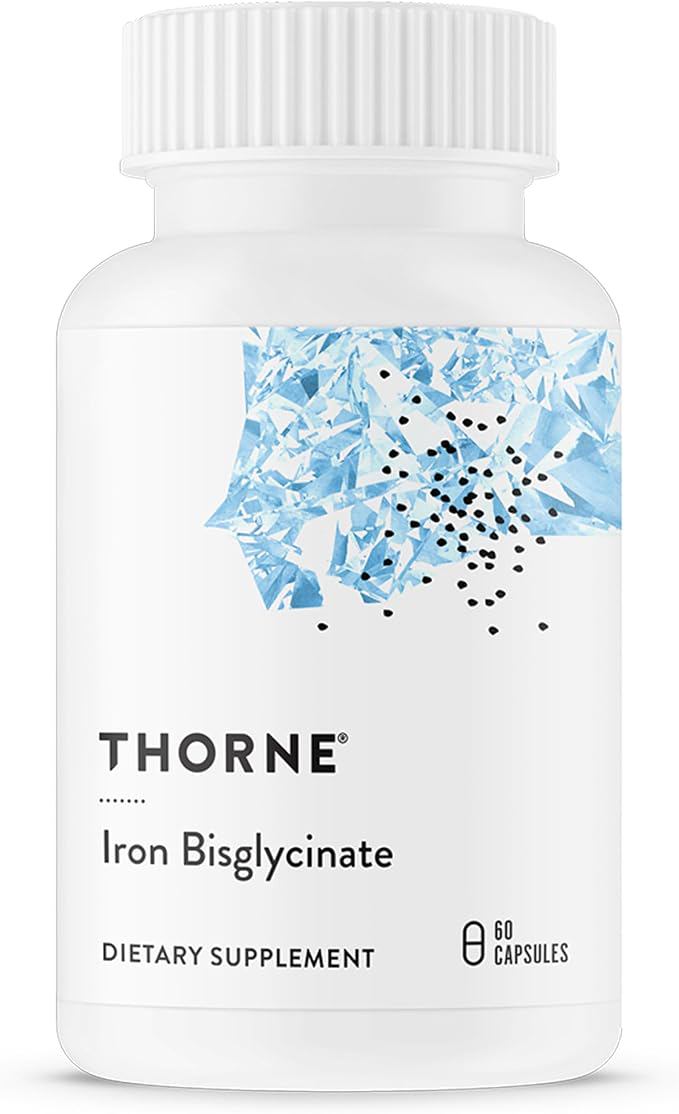
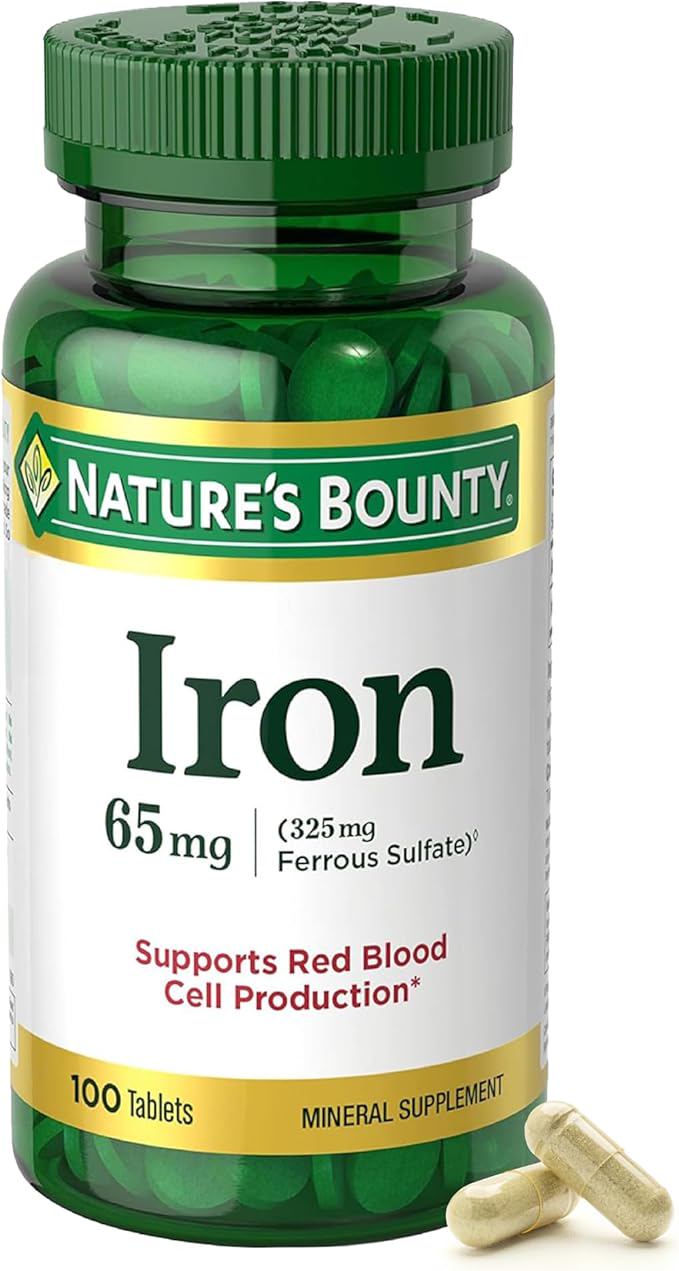
When you lose a significant amount of blood each month, you're also losing iron, which is essential for producing hemoglobin to carry oxygen throughout your body. This can lead to iron-deficiency anemia, a common contributor to the profound tiredness associated with heavy periods.
Focus on incorporating iron-rich foods consistently throughout your cycle, not just during your period.
There are two types of dietary iron. Heme iron, found in animal products like red meat, poultry, and fish, is more easily absorbed by the body. Plant-based sources contain non-heme iron and include lentils, spinach, tofu, and fortified cereals. Pairing these with a source of vitamin C—like citrus fruits, bell peppers, or broccoli—can significantly boost iron absorption. Conversely, try to avoid drinking tea or coffee with meals, as tannins can inhibit iron uptake.
Staying well-hydrated is also key. While it won't reduce flow, proper hydration can help mitigate headaches and fatigue, making symptoms feel more manageable. Water is ideal, but herbal teas like ginger or peppermint can also be soothing for accompanying cramping.
Movement as a tool for management
The source material highlights a vital point: gentle movement can be beneficial, even when you don't feel like it. While intense exercise might feel impossible on your heaviest days, low-impact activities can improve circulation, which may help reduce pelvic congestion and cramping. The goal isn't performance; it's symptom relief.
Consider a slow walk, gentle yoga or stretching, swimming, or light cycling. These activities can promote the release of endorphins, your body's natural pain-relieving and mood-lifting chemicals. Listen closely to your body—some days, restorative movement might simply mean taking a few deep breaths or doing gentle stretches while lying down. The strategy is to stay connected to your body in a compassionate way, not to push through pain.
Practical comfort and logistical strategies
Managing the practical realities of heavy flow can reduce stress and provide a sense of control. This involves both product choice and lifestyle tweaks.
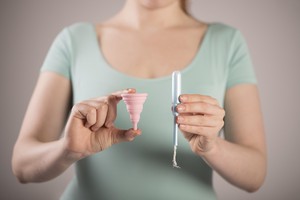
- Menstrual Product Arsenal: Don't hesitate to use high-absorbency products. This might mean overnight pads for daytime use, period underwear designed for heavy flow as a backup or primary option, or a menstrual cup, which can often hold more than a tampon and needs changing less frequently.
- The "Emergency Kit": Keep a small bag with spare underwear, a change of bottoms (like leggings), and extra supplies in your car or desk. This simple act can alleviate the background anxiety of an accident.
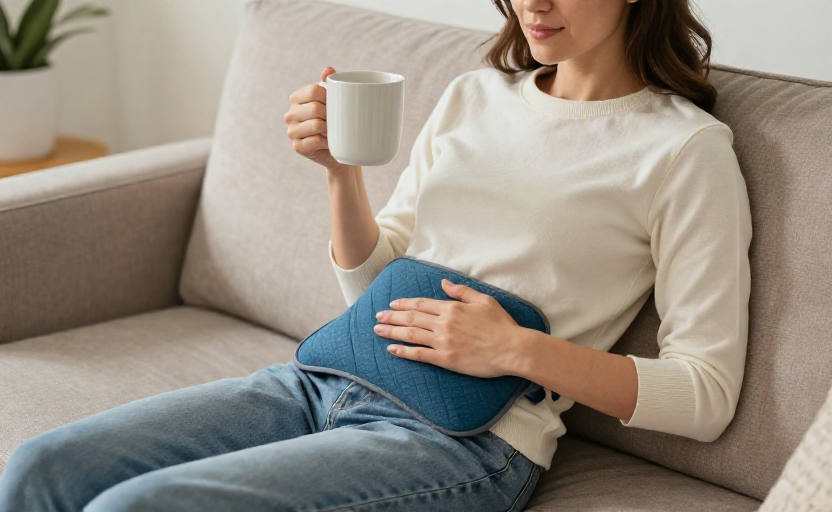
- Heat Therapy: A heating pad or hot water bottle placed on your lower abdomen or back is a time-tested, effective way to relax uterine muscles and ease cramping pain.
- Rest as a Priority: Honor your need for extra rest. Fatigue is a direct physiological result of blood loss. If possible, schedule lighter days during your heaviest flow and allow yourself to go to bed earlier.
Tracking and communicating with your doctor
Keeping a simple symptom diary can be one of your most powerful tools. Note the dates of your period, rate your flow (e.g., light, medium, heavy, very heavy), record the severity of pain, and list any other symptoms like fatigue or mood changes. Also, track how many pads or tampons you saturate in a day. After a cycle or two, this log provides your healthcare provider with objective, detailed information that goes beyond "my periods are bad." It makes the conversation more productive and can help in assessing whether a treatment plan is working.
Coping with heavy menstrual bleeding is a holistic endeavor. It blends medical guidance with daily self-care choices—from what you put on your plate to how you move your body and prepare your environment. These expert-backed strategies are not about enduring a difficult period; they are about reclaiming a sense of agency and well-being throughout your cycle. By building this toolkit and maintaining open dialogue with your doctor, you create a supportive framework that acknowledges the challenge while actively working to soften its impact.