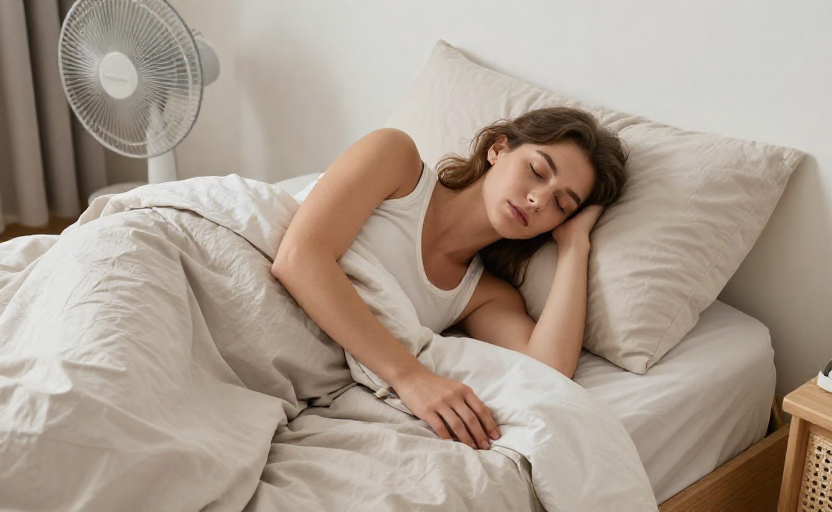
Waking up drenched, throwing off the covers, then shivering as the damp sheets chill your skin—if this nightly cycle feels familiar, you’re navigating one of menopause’s most common and disruptive symptoms. Night sweats, those intense hot flashes that strike during sleep, can unravel rest and leave you searching for relief. For many, hormone therapy isn’t an option, whether due to personal choice, health history, or medical guidance. The good news is a growing body of research supports a range of effective, non-hormonal strategies to cool the body and reclaim your sleep.
These approaches don’t target the hormonal fluctuation itself, but rather the body’s overheated response to it. By thoughtfully adjusting your environment, daily habits, and bedtime routine, you can create conditions that help your body’s own thermostat stay more stable through the night.
Why do night sweats happen?
During the menopausal transition, fluctuating and declining estrogen levels directly affect the hypothalamus, the part of your brain that acts as the body’s thermostat. Even a slight misperception of a rise in core temperature can trigger a cascade: your blood vessels dilate to release heat (the flush), and your sweat glands activate to cool you down. At night, this process can be especially intense, pulling you from deep sleep. Understanding this as a thermostat glitch—not an illness—is the first step toward managing it with practical, cooling countermeasures.
Your immediate sleep environment: a cooling sanctuary
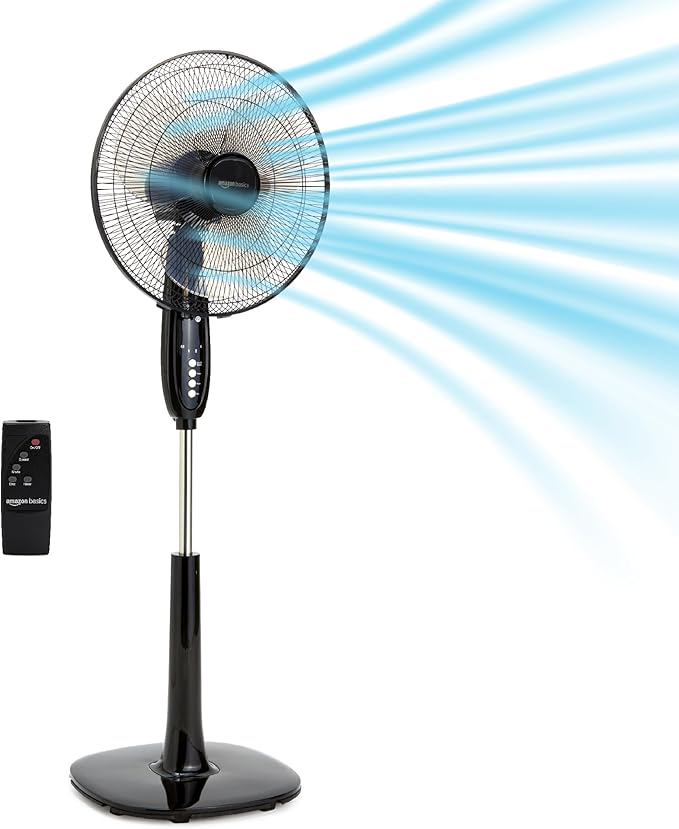
Transforming your bedroom into a heat-dissipating haven is one of the most direct actions you can take. Start with the basics: temperature and airflow. Experts often recommend keeping the bedroom between 60–67°F (15–19°C). Use fans strategically; a ceiling fan or a portable oscillating fan doesn’t just move air, it promotes evaporation of sweat from your skin. If possible, crack a window for cross-ventilation.
Your bedding is your microclimate. Opt for natural, breathable fibers like cotton, linen, or bamboo. These materials wick moisture away from your body far better than synthetic blends. Consider layers: a moisture-wicking mattress pad, light cotton sheets, and a lightweight blanket you can easily kick off. Some find relief with specialty bedding designed with cooling gels or phase-change materials, though their effectiveness can vary.
What you wear matters just as much. A loose-fitting, 100% cotton nightgown or pajama set is a classic choice for good reason. If you prefer less, just the cotton sheets against your skin can aid cooling. The goal is to avoid anything tight or made from polyester, which traps heat and moisture.
Daily habits that build cooling resilience
What you do during the day sets the stage for your night. Regular physical activity is a cornerstone. It helps regulate stress hormones and can improve your body’s thermoregulation over time. The timing, however, is key.
Aim to finish vigorous exercise at least three hours before bedtime. Raising your core temperature too close to sleep can backfire and trigger a sweat episode.
Your diet plays a subtle but significant role. Common dietary triggers include spicy foods, caffeine, and alcohol, especially in the evening. Alcohol may make you feel drowsy initially, but it disrupts sleep architecture and acts as a vasodilator, increasing skin temperature. Try a “trigger tracker” for a week: note what you eat and drink and the severity of your night sweats. You might identify a personal pattern, like a late-afternoon coffee or a glass of wine with dinner, that’s worth adjusting.
Stress is a potent trigger for hot flashes. The cortisol released during stress can stimulate the hypothalamus. Incorporating a daily stress-reduction practice—even ten minutes of mindful breathing, gentle yoga, or a quiet walk—can lower your overall reactivity. This isn’t about eliminating stress, but about giving your nervous system regular opportunities to downshift.
The power of your pre-sleep routine
The hour before bed is a critical window for signaling safety and coolness to your body. A warm bath or shower might seem counterintuitive, but it’s a well-supported strategy. As you step out, the rapid evaporation of water from your skin creates a cooling effect, which can help lower your core temperature—a key signal for sleep onset. Just be sure to get out in time to feel cool before getting into bed.
Mind-body techniques practiced in bed can be remarkably effective. Paced breathing, also known as diaphragmatic breathing, has been shown in clinical studies to reduce the frequency and severity of hot flashes. Try this: lie comfortably, place a hand on your abdomen, and inhale slowly through your nose for a count of five, feeling your belly rise. Exhale even more slowly through your mouth for a count of seven. Practicing this for 10-15 minutes at bedtime can calm the nervous system and may help stabilize the thermostat.
Keep a cooling kit by your bedside. This might include a small spray bottle of water for a fine mist on your face and neck, a cold pack wrapped in a thin cloth to place on your wrists or the back of your neck, or simply a glass of ice water. The instant relief can prevent a full-blown episode from waking you completely.
When to seek additional support
If you’ve diligently tried environmental and behavioral strategies for several weeks and your night sweats remain severe enough to impair your quality of life, a conversation with a healthcare provider is the next logical step. They can rule out other potential causes of night sweats and discuss non-hormonal medical options.
Certain antidepressants in a low dose, like some SSRIs or SNRIs, have been found to reduce hot flash frequency for some women. Another non-hormonal prescription medication, gabapentin, originally used for nerve pain, can also be effective. The suitability of these options depends entirely on your individual health profile and should be explored in a detailed consultation.
Remember, your experience is unique. What cools one person may not work for another. The process is often one of thoughtful experimentation—trying one or two new strategies at a time, observing what changes, and building your own personalized toolkit for cooler, more restful nights.