Waking up drenched in sweat, kicking off the covers, then shivering as the damp sheets turn cold—it’s a frustrating cycle that steals rest and leaves you exhausted. For many navigating menopause, night sweats and sleep disruption become a nightly battle. While medication is one path, a wealth of non-pharmaceutical, expert-backed strategies can help you cool down and reclaim your sleep. These approaches focus on working with your body’s changing thermostat, not against it, to create an environment and routine conducive to rest.
The goal isn't just to feel cooler in the moment, but to support your body's natural sleep processes. By layering small, intentional changes to your bedroom, your bedtime routine, and even your daytime habits, you can build a powerful toolkit for more peaceful nights. Let's explore these practical, evidence-informed strategies.
How does body temperature affect sleep?
To cool down for sleep, it helps to understand the natural rhythm at play. Your core body temperature follows a circadian pattern, dipping by about 1-2 degrees Fahrenheit in the evening to initiate sleep. This drop signals the production of melatonin, your sleep hormone. For many in menopause, hormonal fluctuations can disrupt this delicate thermostat, causing hot flashes and night sweats that jolt you awake just as you're trying to descend into deeper sleep stages. The strategy, then, is to support and enhance this natural cooling process, making it easier for your body to do its job.
Creating your cool sleep sanctuary
Your bedroom environment is the first and most controllable line of defense. Think of it as engineering a microclimate for sleep.
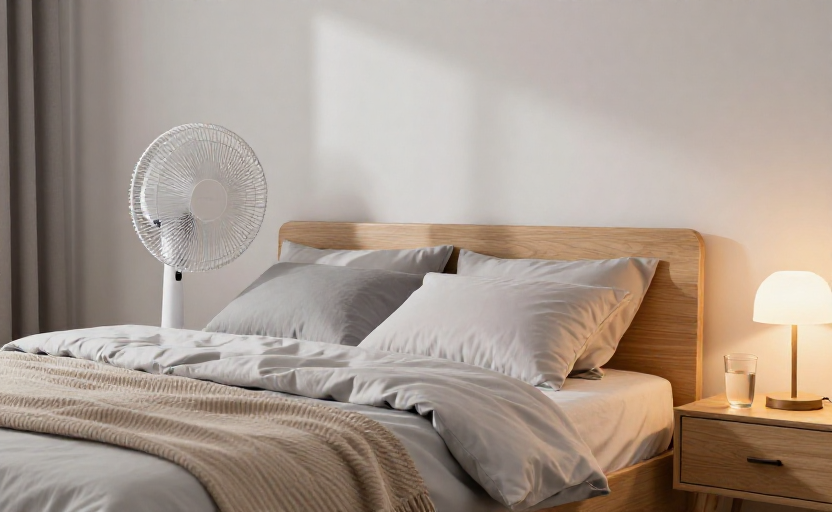
Optimize temperature and airflow. Most sleep experts recommend a bedroom temperature between 60-67°F (15.5-19.5°C). This range supports the body's natural cooling. Use a programmable thermostat or a smart AC unit to ensure the room is coolest during your core sleep hours. If air conditioning isn't an option, cross-ventilation is key. Use multiple fans—one pointing inward to draw cool night air in, and another, like a ceiling fan, to keep air circulating above the bed. The movement of air across skin accelerates evaporation, which has a powerful cooling effect.
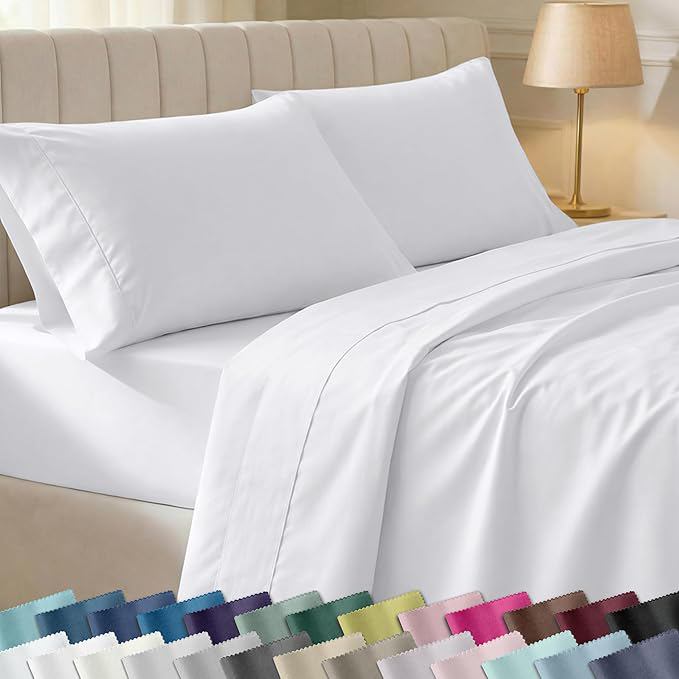
Choose your bedding wisely. Your sheets and blankets are in direct contact with your skin all night. Materials matter deeply.
- Natural fibers like cotton, linen, and bamboo are breathable and wick moisture away from the body. They feel cooler to the touch than synthetic blends.
- Consider a moisture-wicking mattress pad or protector designed for temperature regulation. These can draw heat and dampness away from the body.
- Employ a layered bedding approach. Instead of one heavy duvet, use several light layers—a sheet, a light cotton blanket, a thin quilt. This allows you to easily peel off a layer during a night sweat and pull it back on when you cool down, without fully waking.
A cool room, between 60-67°F, is one of the most consistent recommendations from sleep researchers for supporting the body's natural temperature drop.
Pre-sleep rituals to lower your core temperature
What you do in the hour or two before bed can prime your body for cooler, deeper sleep. This is about proactive cooling.
Timing your shower or bath. While a hot shower might seem counterintuitive, the timing is everything. Taking a warm bath or shower 60-90 minutes before bed causes a deliberate, mild rise in core temperature. As you step out, your body's cooling mechanisms engage rapidly to bring your temperature back down, mimicking and reinforcing the natural pre-sleep drop. It's a way of giving your internal thermostat a clear signal.
Mindful hydration and evening nutrition. Sip cool water throughout the evening to stay hydrated, which helps your body regulate temperature. Be cautious with large volumes right before bed to avoid disruptive trips to the bathroom. For your last snack, avoid spicy foods, heavy meals, and excessive sugar, which can all trigger metabolic heat production. A small, bland snack like a few whole-grain crackers is a safer choice if you're hungry.
The cooling power of your pulse points. Applying coolness to areas where blood vessels are close to the skin's surface can provide rapid, whole-body relief. Keep a damp washcloth in a sealed bag in the fridge or a small gel pack in the freezer. Before bed or if you wake up hot, apply it to your wrists, ankles, neck, or behind your knees for a few minutes. The cooled blood circulates, helping to lower your overall temperature.
Clothing and personal cooling aids
What you wear to bed and keep at your bedside can be a game-changer for managing sudden heat.
Choose loose-fitting, lightweight pajamas made from the same breathable natural fibers as your sheets. Some find moisture-wicking sleepwear designed for athletes to be particularly effective. Keep a fresh, dry pair on your nightstand to change into if you wake up damp.
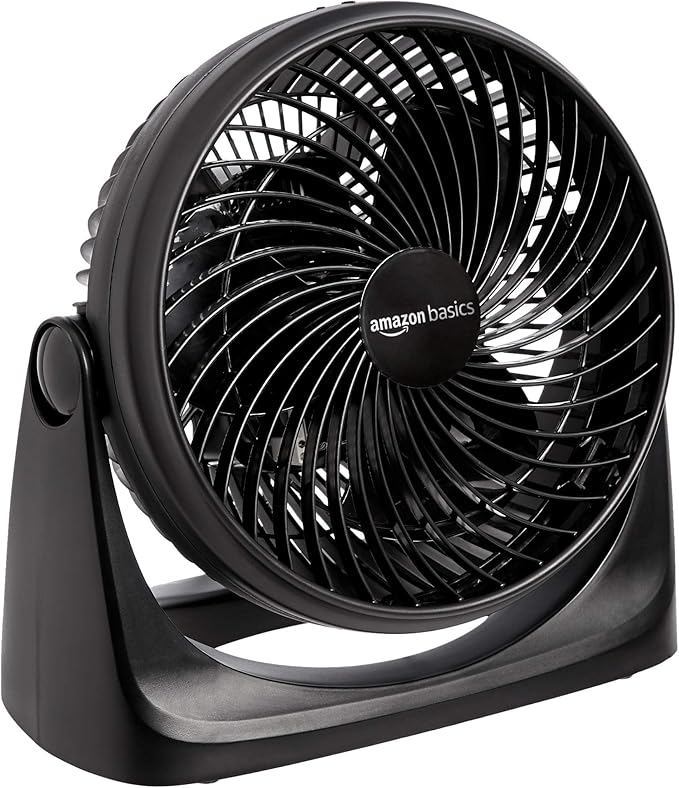
Consider a dedicated bedside cooling device. A small, quiet fan pointed across your torso is a classic and effective tool. More targeted options include cooling pads that go under your fitted sheet, which circulate water at a temperature you set, or pillows with cooling gel or breathable designs that don't trap heat around your head and neck.
Daytime habits that support nighttime cooling
Your sleep temperature is influenced long before you get into bed. Consistent daily practices build resilience.
Regular exercise is crucial for overall sleep quality and temperature regulation. However, timing matters. Finish vigorous workouts at least 3 hours before bedtime. Exercise raises core temperature and stimulates alertness; allowing ample time for both to subside is key. Gentle, restorative movement like yoga or stretching in the evening is usually fine and may even promote relaxation.
Stress management is directly linked to hot flashes and sleep. Techniques like paced breathing, meditation, or gentle yoga can help modulate the nervous system. When stress is high, it can trigger more frequent and intense temperature fluctuations. A regular mindfulness practice can help dampen this response over time.
Caffeine and alcohol are common sleep disruptors. Both can interfere with sleep architecture and affect temperature regulation. Aim to limit caffeine after midday, and if you drink alcohol, note that while it may induce sleep initially, it often leads to fragmented, lower-quality sleep and can trigger night sweats later in the night.
When to seek further guidance
These lifestyle and environmental strategies are powerful first steps for many. If you've implemented these changes consistently for several weeks and still find night sweats severely disrupting your sleep, affecting your daily life, or causing significant distress, it's wise to consult a healthcare provider. They can help rule out other potential causes, discuss your full symptom picture, and explore the broader range of management options available to you. You don't have to navigate this alone.
Remember, cooling down for better sleep is often about the cumulative effect of many small, consistent choices. Start with one or two changes that seem most manageable—perhaps adjusting your bedroom temperature and switching to cotton sheets. Build from there. With patience and a layered approach, you can create the cool, calm conditions your body needs to find restful sleep again.