
Finding out you're pregnant is a moment of profound change, and with it comes a natural instinct to protect your growing baby. For many active people, this can spark immediate questions about movement. Can you keep up your routine? Should you? The good news is that for most healthy pregnancies, physical activity is not only safe but highly beneficial during the first trimester and beyond. The key is navigating this new landscape with intention, listening to your unique body, and understanding the updated guidelines for this special time.
This early stage is about building a sustainable foundation. You're not training for a personal best; you're supporting your body through an incredible transformation. The goal shifts from performance to wellness—managing energy, supporting your changing physiology, and nurturing your mental health. With some thoughtful adjustments, you can move with confidence and comfort.
Why Staying Active in the First Trimester Matters
While rest is crucial, consistent, moderate activity offers significant advantages. It can help manage common first-trimester symptoms like fatigue and constipation, improve your mood by releasing endorphins, and promote better sleep. It also helps build muscular strength and endurance, which you'll draw on as your pregnancy progresses and during labor. Establishing a safe routine now sets a positive pattern for the entire journey.
The first trimester is a time for gentle foundation-building, not intensity. Listen to your energy—some days a walk is a victory.
Core Principles for Safe First Trimester Movement
Before diving into specific activities, anchor your approach in these expert-backed principles. They are your compass for any exercise decision.
Get the Green Light First. Always consult your healthcare provider before starting or continuing any exercise program. This is non-negotiable. They will review your personal health history and any risk factors to give you personalized guidance.
Embrace the “Talk Test.” This is your best intensity monitor. You should be able to hold a conversation while exercising. If you’re too breathless to speak, you’re pushing too hard. Your body is working overtime already; your workout shouldn't feel like a strain.
Hydration is Non-Negotiable. Dehydration can increase the risk of overheating and may contribute to dizziness or Braxton Hicks contractions. Drink water before, during, and after activity. A good rule is to sip consistently, not just when you feel thirsty.
Prioritize Stability Over Intensity. The hormone relaxin begins to increase, loosening your ligaments and joints to prepare for birth. This makes you more susceptible to sprains and instability. Focus on controlled movements and avoid activities with a high risk of falling or sudden directional changes.
Your Body is the Ultimate Guide. Pregnancy is not the time to push through pain, dizziness, or severe fatigue. Honor what you feel each day. Some days you’ll have energy for a 30-minute walk; other days, gentle stretching might be your limit. Both are perfect.
What Types of Exercise Are Generally Considered Safe?
Most low-impact, moderate-intensity activities are excellent choices. The aim is to maintain fitness, not to achieve new peaks.
- Walking: The gold standard. It’s low-impact, easily adjustable, requires no special equipment, and can be done anywhere.
- Swimming and Water Aerobics: The water supports your weight, providing relief for joints while offering gentle resistance. It can also help with nausea and feeling overheated.
- Stationary Cycling: A safe way to get cardiovascular benefits without the balance risk of a regular bike. Recumbent bikes offer extra back support.
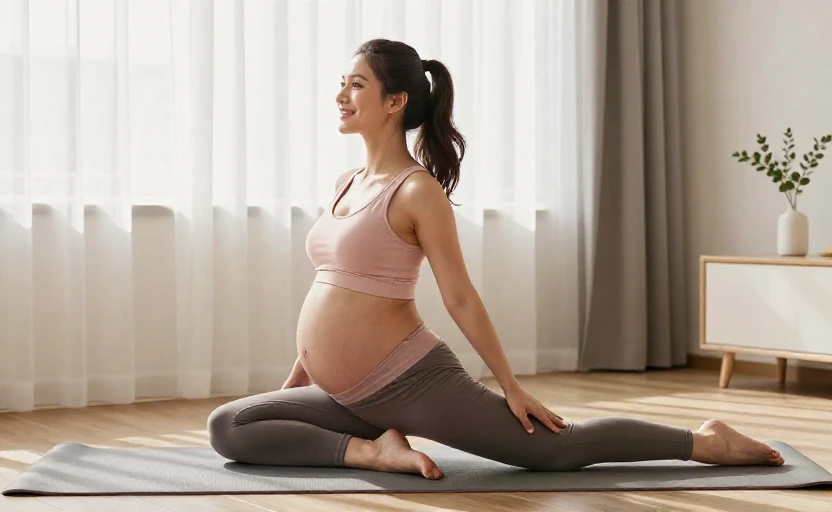
- Prenatal Yoga and Pilates: Focus on classes specifically designed for pregnancy. They emphasize breathing, gentle stretching, core engagement (with safe modifications), and pelvic floor awareness. Avoid hot yoga or styles with long holds on your back.
- Strength Training: Using light to moderate weights or resistance bands helps maintain muscle tone. Emphasize proper form, controlled motions, and avoid holding your breath (the Valsalva maneuver).
Activities to Modify or Avoid
Some activities carry higher risk and are best paused or significantly altered. This isn't about fear, but about smart risk management.
Generally, it's advised to avoid activities with a high risk of falling or abdominal impact. This includes contact sports (soccer, basketball), horseback riding, downhill skiing, and intense gymnastics. Scuba diving is off-limits due to pressure risks for the baby.
High-altitude exercise can be problematic if you're not already acclimatized, as it may reduce oxygen flow. If you live at a low elevation, it's wise to avoid strenuous workouts above 8,000 feet.
Be cautious with exercises that involve lying flat on your back (supine position) for extended periods after the first trimester, as the weight of your uterus can compress a major blood vessel. While the risk is lower in the first trimester, it's a good habit to modify early by using an incline or switching to side-lying positions.
Red Flags: When to Stop and Call Your Provider
Knowing warning signs is part of exercising responsibly. Stop immediately and contact your healthcare provider if you experience any of the following during or after activity:
- Vaginal bleeding or fluid leakage
- Persistent dizziness, faintness, or headache
- Chest pain or palpitations
- Painful uterine contractions or cramping
- Sudden swelling in ankles, hands, or face
- Shortness of breath before starting exertion
- Muscle weakness affecting your balance
Your first trimester is a time of immense change and adaptation. Moving your body safely is a powerful way to connect with that process, care for your well-being, and build resilience for the months ahead. Let comfort and consistency be your guides, and celebrate the movement that feels good for you.