
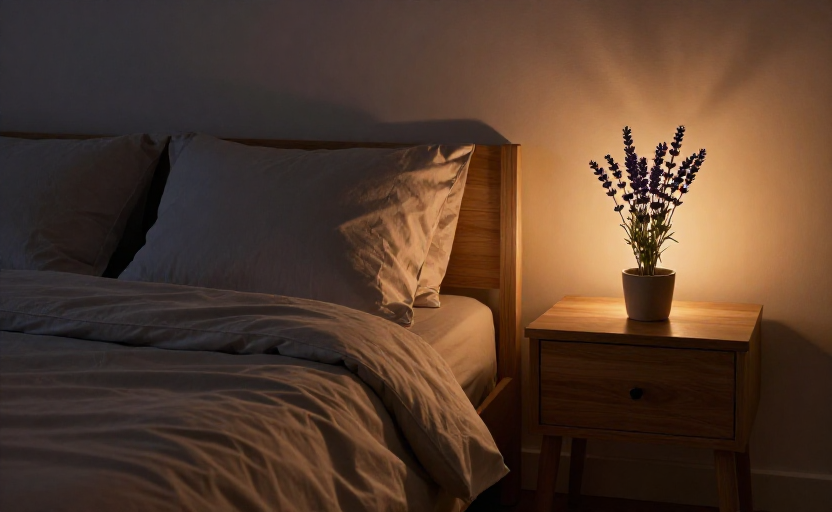
Sleep is one of those things we often take for granted until it starts slipping away. You might have tried cutting back on screen time before bed or drinking chamomile tea, but sometimes the missing piece isn’t a habit—it’s the room itself. Your bedroom environment plays a surprisingly powerful role in how quickly you fall asleep and how deeply you stay asleep. Small, intentional environmental adjustments can transform your space into a sanctuary that naturally supports rest.
Below are expert-backed changes you can make tonight, all grounded in sleep science. They don’t require a renovation or expensive gadgets—just a willingness to pay attention to the details around you.
Temperature: Cool Air Signals the Body to Sleep
Your core body temperature naturally drops as you prepare for sleep. A warm room can interfere with this process, making it harder to drift off. Most sleep specialists recommend keeping your bedroom between 65 and 68 degrees Fahrenheit (18–20°C).
If you sleep with a partner who prefers it warmer, consider using separate bedding layers—a lightweight blanket on your side and a heavier one on theirs. You can also cool your neck and wrists with a damp cloth right before bed to help lower your body temperature quickly.
Quick tip: A programmable thermostat or a simple fan can make a big difference. If you feel chilled, keep your feet warm with socks—warm feet help dilate blood vessels, which actually aids the cooling process.
Light: Train Your Brain to Recognize “Sleep Time”
Light is the strongest signal your brain uses to tell time. Blue light from phones, tablets, and overhead LEDs tricks your brain into thinking it’s still daytime. To create a sleep-friendly environment, aim for low, warm light in the hour before bed.
Start by dimming overhead lights and switching to lamps with warm bulbs (2700K or lower). Blackout curtains are a practical investment if you live in a bright neighborhood or have early morning sun. If you can’t block all light, consider a comfortable eye mask—it physically blocks out stray light and can become a powerful bedtime cue.
Even the tiny glow from a router, charging cable, or smoke detector can affect sleep quality. Cover or relocate these small lights when possible.
Sound: Curate a Calm Acoustic Environment
Sudden noises—like a car honk or a door closing—can yank you out of deep sleep. Your goal is to create a consistent, predictable sound backdrop that your brain can ignore.
White noise machines are a common choice, but not everyone responds well to the same type of sound. Some people prefer pink noise (like gentle rainfall) or brown noise (deeper and rumbling). You can find free apps or YouTube tracks to test which one calms you. Earplugs are a simple, low-cost backup if you share a wall with noisy neighbors.
If complete silence feels unsettling, a quiet fan or a small desktop water fountain can produce a soothing, uninterrupted sound.
Scent and Air Quality: The Subtle Supporters
Your sense of smell is directly linked to the part of your brain that regulates emotion and memory. Certain scents can help you relax before bed. Lavender is the most researched sleep-supporting fragrance—it has been shown to increase slow-wave sleep and improve morning alertness. Other options include chamomile, sandalwood, and vanilla.
Don’t overdo it. A few drops of essential oil on a cotton ball placed near your bed, or a light spritz on your pillowcase, is usually enough. Candles are pleasant but be careful with open flames; a diffuser is a safer option for overnight use.
Air quality matters too. Stuffy air can cause breathing irritation that disrupts sleep. Open a window for a few minutes before bed if weather permits, or use an HEPA filter if you have allergies. Keeping humidity between 30% and 50% can also prevent dry airways and snoring.
Clutter and Spatial Order: Less Visual Noise, Deeper Rest
Your brain processes visual clutter as unfinished tasks. When your bedroom is messy, it keeps your mind slightly alert, even subconsciously. You don’t need a minimalist showroom—just a few intentional changes help.
Clear surfaces like nightstands and dressers of non-essential items. Put away work materials, mail, or laundry baskets that remind you of to-do lists. A simple tray for your phone, a lamp, and a book can create a visually calm focal point.
The goal is to associate your bed and bedroom strictly with rest and intimacy, not with stress or productivity. If you work from home, try to avoid bringing a laptop into bed—that blurs the boundary between wakefulness and sleep.
Bedding and Sleep Surface: The Foundation of Comfort
Your mattress and pillows are the physical foundation of your sleep environment. While replacing a mattress is a larger investment, you can make immediate improvements with your bedding choices.
Natural fiber sheets (like cotton, linen, or bamboo) breathe better than synthetic ones, helping regulate temperature. Pillows should support your sleeping position—side sleepers generally need a firmer, higher pillow, while back sleepers do better with a medium loft. If your pillow is more than two years old, it may be worth replacing.
Weighted blankets have gained popularity for their calming effect. They provide gentle pressure that can reduce cortisol levels and increase serotonin. Choose one that is about 10% of your body weight.
Pets, Plants, and Electronics: Know What to Keep Out
That adorable cat or dog might be disrupting your sleep more than you realize. Pets move, snore, and sometimes wake you up for attention. If your sleep is consistently poor, consider letting them sleep in another room. It doesn’t mean you love them less—it means you value your recovery.
Live plants can be a lovely addition, but keep them in moderation. Some houseplants release carbon dioxide at night (though the effect is small in typical bedroom setups). A couple of snake plants or aloe vera are fine, but don’t turn your bedroom into a greenhouse.
Finally, move your phone charger across the room. Not only does the blue light and notification glow disturb you, but having your phone out of immediate reach reduces the temptation to check it if you wake up in the middle of the night.
You don’t need to overhaul everything at once. Pick one or two adjustments from this list and try them for a week. Notice how you feel. Sleep is deeply personal, and small environmental changes can nudge your body into its natural rhythm. As you make these tweaks, you’re not just decorating a room—you’re building a nightly ritual that signals to your whole nervous system: it’s time to rest.