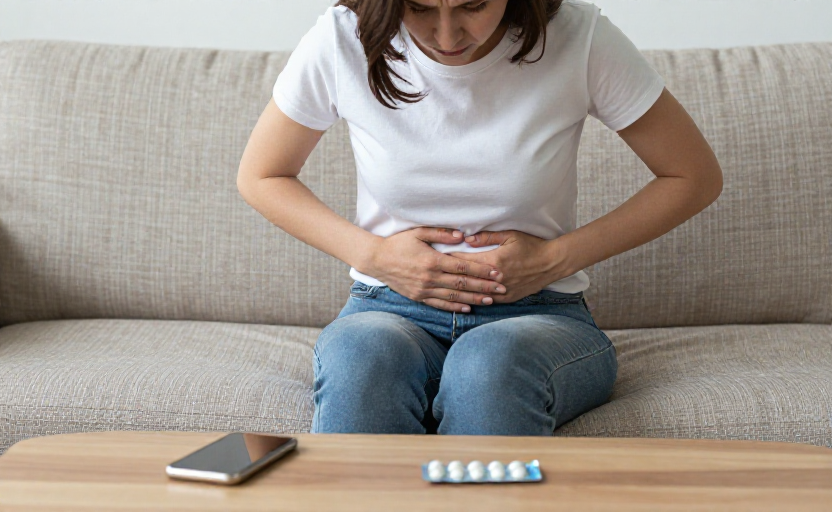
If you’re managing period pain on your own — brushing it off as just a bad cycle — you might be missing a chance to get real relief. Cramps are common, but the level of pain you feel, and how it affects your daily life, matters. That’s especially true when you’re already on birth control. Many people assume that if they're using hormonal contraception, cramps should vanish. But the truth is more nuanced, and sometimes persistent pain is a sign you need medical advice.
Knowing when to call your doctor can save you from unnecessary suffering and rule out underlying conditions. Here’s expert-backed guidance on what to pay attention to, which conversations to start with your provider, and why your specific birth control method may be part of the answer — or part of the problem.
Why do cramps still happen on birth control?
Hormonal birth control works by stabilizing your cycle and thinning the uterine lining, which often makes periods lighter and less painful. For many people, that means cramps become a minor inconvenience or disappear altogether. But for others, pain persists — and it can be severe. The reasons vary. Your body may need more time to adjust to a new method. The type or dosage of hormones might not be right for your system. And sometimes, cramps aren’t just "period pain" — they may signal conditions like endometriosis, fibroids, or pelvic inflammatory disease.
That’s why it’s a mistake to assume that being on birth control automatically rules out serious causes of pelvic pain. If cramps feel different — sharper, longer, or not connected to your menstrual flow — it’s worth talking through with a clinician.
3 signs it’s time to call your doctor
You don’t need to suffer through every cycle. Consider scheduling an appointment if any of the following apply:
- Pain interrupts your daily life. If cramps make you miss work, school, or social plans — or keep you in bed — that’s a red flag. Over-the-counter pain relievers and heating pads shouldn’t be your only plan.
- Your birth control doesn't seem to be working. After three months of consistent use, you should see improvement in your cycle. If cramps are still severe, or if you’re experiencing irregular bleeding, your current method may not be a good fit.
- Pain occurs outside of your period. Cramping during ovulation, after sex, or at random times in your cycle can point to conditions that need diagnosis and treatment beyond routine birth control management.
What your doctor will want to know
To get the most out of a visit, be ready to describe your pain clearly and specifically. Your provider will ask questions like:
- When did the pain start, and is it new or worsening?
- Where exactly does it hurt (lower back, pelvis, one side)?
- What makes it better or worse?
- How long does it last during and between periods?
It helps to track your symptoms in a simple calendar or app for at least a month. Note the days you have cramps, the intensity (scale of 1 to 10), and any other symptoms like heavy bleeding, nausea, or spotting. This information helps your doctor determine whether the issue is related to your birth control method, your cycle, or an underlying medical condition.
Might a different birth control method help?
Sometimes the answer is as simple as changing your pill, switching to a different type of hormonal delivery (like a ring, patch, or IUD), or adjusting the schedule. For example, continuous-dose pills (where you skip the placebo week) can eliminate most menstrual pain by reducing the number of periods you have. Progestin-only methods like hormonal IUDs are also effective at shrinking the uterine lining and decreasing cramping over time.
But switching methods should be done under medical guidance. A birth control that works beautifully for one person can worsen symptoms for another. Your doctor can help match your pain profile with a method that has the best chance of working for you — and that process starts with being honest about your current experience.
When cramps are not just cramps
Persistent pelvic pain that doesn’t improve with birth control can be a clue that something else is going on. Endometriosis — where uterine-like tissue grows outside the uterus — is one of the most common causes. It affects an estimated 1 in 10 women and is frequently misdiagnosed or dismissed for years. Fibroids (noncancerous growths in the uterus), ovarian cysts, and pelvic infections can also cause cramping that feels similar to period pain but doesn’t follow the usual pattern.
If your pain is accompanied by fever, heavy bleeding, pain during sex, or irregular cycles, mention those symptoms specifically. They don’t automatically mean something serious, but they do warrant a full evaluation, which may include an ultrasound or other tests.
How to prepare for your appointment
Think of the visit as a partnership. You’re the expert on your body; your clinician is the expert on what treatments and tests are available. Bring your symptom log, a list of questions, and any concerns you have about your current birth control. Be upfront about side effects, whether you’ve missed doses, and if you’ve tried other methods before.
A good doctor won’t dismiss your pain or rush through the conversation. If you feel unheard, it’s okay to seek a second opinion or ask for a referral to a gynecologist or a pelvic pain specialist. Period pain is treatable, and you don’t have to settle for “just deal with it.”