
If you notice breakouts appearing like clockwork around your period each month, you are not alone. Hormonal fluctuations during the menstrual cycle are a common trigger for acne, but when those bumps return cycle after cycle, it may be time to consider whether over-the-counter remedies are enough. While occasional premenstrual pimples are normal, recurring period acne that is painful, deep, or leaves marks could signal an underlying condition worth discussing with a dermatologist.
Knowing the difference between a typical monthly breakout and a pattern that needs professional attention can save you months of frustration. Here is what experts want you to consider before booking an appointment—and how to decide when it is time to make that call.
What makes period acne different?
Period acne typically flares up in the week leading up to your period and then fades as your cycle progresses. It tends to appear along the jawline, chin, and lower cheeks—areas that are sensitive to androgen-driven oil production. This kind of acne is driven by a rise in progesterone and a shift in estrogen levels right before menstruation, which can increase sebum and clog pores.
However, not every cycle-related breakout is the same. If your acne does not clear up after your period ends, if it leaves dark spots or scars, or if you are seeing deep, painful cysts in the same spots each cycle, this pattern suggests inflammation that may not respond to standard cleansers or spot treatments.
When home care is not enough
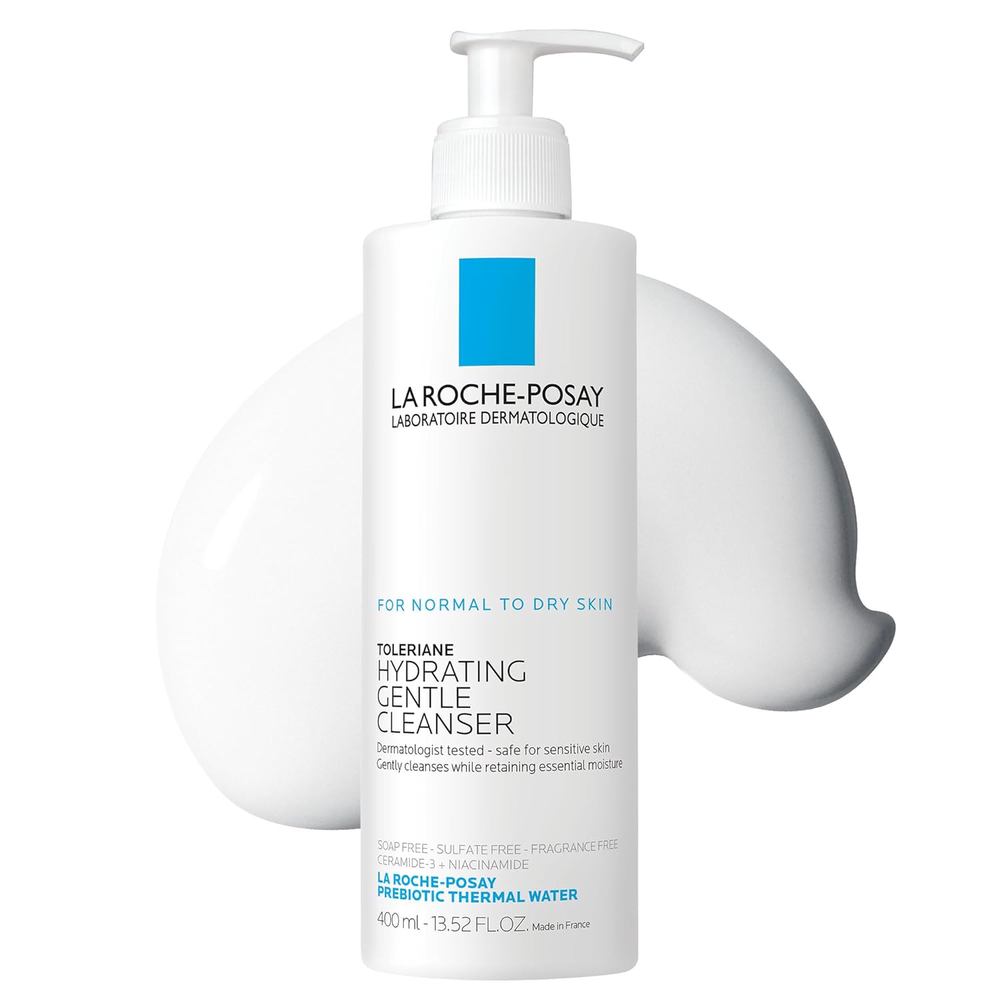
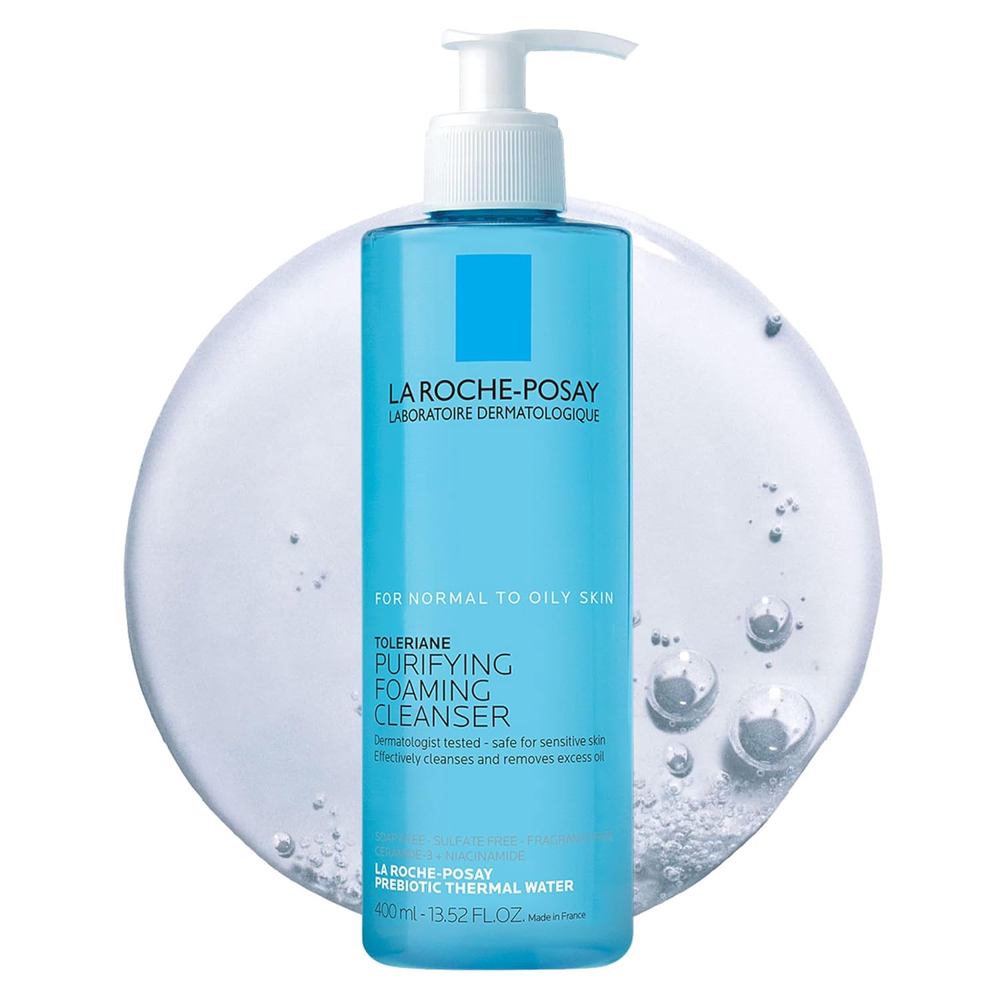
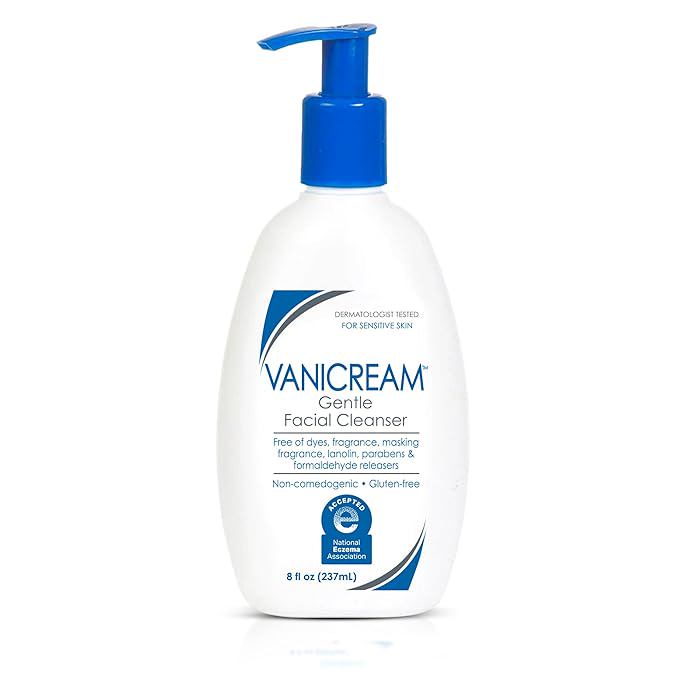
Many people manage mild hormonal acne with consistent skincare routines that include gentle cleansing, non-comedogenic moisturizers, and ingredients like salicylic acid or benzoyl peroxide. But there are clear signs that a dermatologist should be involved:
- You have tried over-the-counter treatments for several months with no improvement. If you have used a topical product consistently for 8 to 12 weeks and your breakouts are still recurring monthly, it is reasonable to seek prescription options.
- The acne is painful or deep. Nodules and cysts—those large, red, tender bumps under the skin—can lead to permanent scarring. A dermatologist can offer stronger treatments to reduce inflammation.
- Your acne is affecting your mood or daily life. When breakouts cause embarrassment, anxiety, or avoidance of social situations, it is a quality-of-life concern worth addressing with a professional.
- You are noticing changes in your menstrual cycle. If your periods become irregular, heavy, or accompanied by other symptoms such as pelvic pain or unusual hair growth, your acne may be part of a broader hormonal condition like PCOS or adenomyosis.
What to expect at a dermatology visit
During an appointment for recurring period acne, a dermatologist will take a detailed history of your breakouts, your cycle, and any products or medications you have tried. They may also ask about other symptoms to rule out conditions like polycystic ovary syndrome or hormonal imbalances.
Common treatments for hormonal acne that a dermatologist may recommend include:
- Prescription topical retinoids to unclog pores and reduce inflammation.
- Oral medications such as spironolactone, which blocks androgen effects on oil glands.
- Combined oral contraceptives that regulate hormone levels and can significantly reduce cycle-related breakouts.
- In-office procedures like corticosteroid injections for large cysts or chemical peels for surface texture.
A dermatologist will not prescribe a new medication without first reviewing your full health picture. It is important to mention any other conditions you have, supplements you take, or if you are trying to conceive.
When a dermatologist can help spot other health issues
Recurring period acne does not always exist in isolation. It can be a visible clue to an internal imbalance. For example, women with adenomyosis—a condition where endometrial tissue grows into the uterine wall—often experience heavy, painful periods along with pelvic pressure and inflammation. While acne is not a direct symptom of adenomyosis, the hormonal shifts that worsen adenomyosis can also trigger breakouts. If your acne is paired with severe cramps, heavy bleeding, or abdominal bloating, a dermatologist may suggest you check in with a gynecologist to explore whether adenomyosis or another uterine condition is at play.
Similarly, PCOS can cause irregular periods, ovarian cysts, and elevated androgen levels that lead to persistent acne. A dermatologist can recognize this pattern and coordinate care with your primary doctor or endocrinologist.
Practical steps you can try while waiting for an appointment
If you are not yet ready to see a specialist, or while you wait for your appointment date, some gentle at-home strategies may ease the cycle:
- Stick to a simple, non-irritating routine. Avoid harsh scrubs or alcohol-based toners that can worsen inflammation.
- Use a warm compress on deep pimples to help reduce swelling, but do not pick or pop them.
- Track your breakouts on a calendar for two or three cycles. Note the day they appear, where they form, and how long they last. This record is very useful for a dermatologist.
- Consider reducing dairy and high-glycemic foods a week before your period if you notice they worsen your skin, but avoid extreme diets without professional guidance.
When to schedule an appointment
As a general rule, if you have been dealing with period-related breakouts for more than three months and they are not improving with gentle care, it is worth getting a professional opinion. If you experience any of the following alongside your acne, do not delay: pelvic pain during periods, bleeding between cycles, severe fatigue, or symptoms of anemia (such as lightheadedness or shortness of breath). These could point to a deeper issue like adenomyosis, endometriosis, or iron deficiency related to heavy menstrual bleeding.
Your skin can be a window into your overall health. Recurring period acne is a treatable concern, and the right dermatologist can help you manage both the breakouts and any underlying hormonal factors. Taking that step is a practical move toward clearer skin and better well-being.