
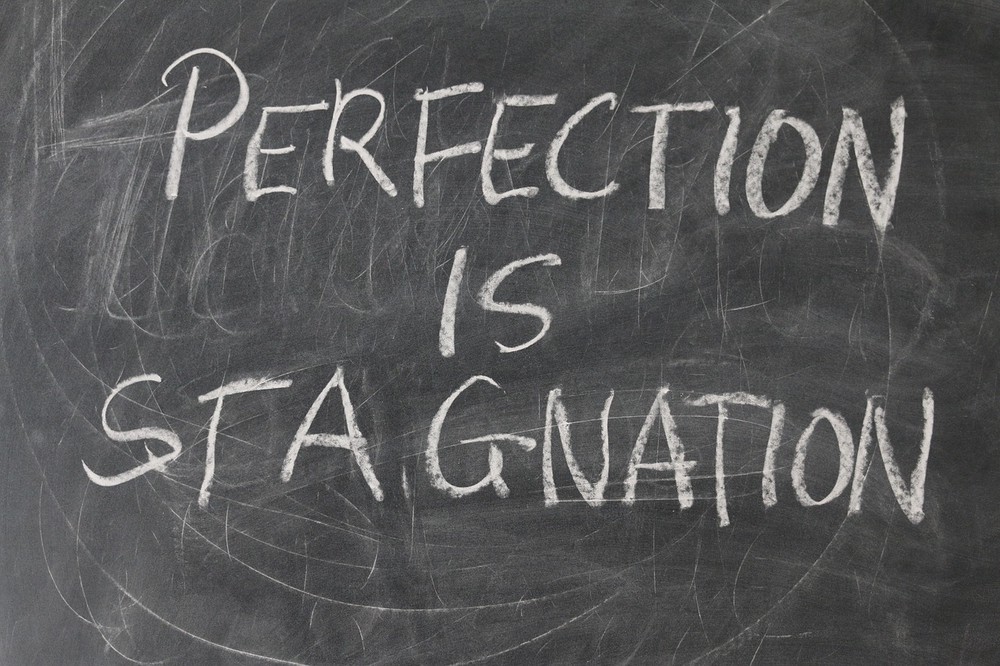
For many high achievers, there is a familiar trap: the desire to do something flawlessly becomes so overwhelming that the task never gets started at all. This is the perfectionism–procrastination loop, a pattern where the fear of falling short leads to delay, and the delay then fuels more anxiety. Understanding how this cycle works is the first step toward loosening its grip.
While the drive for excellence can be a healthy motivator, perfectionism often crosses into harmful territory. When the goal is not simply to do good work, but to produce something that is completely without flaw, the pressure becomes paralyzing. The mind begins to equate a finished project with the risk of judgment, and so it stalls. Procrastination becomes a short-term escape—but it is one that deepens the underlying fear.
What really drives the perfectionism–procrastination cycle?
At its core, this cycle is rooted in a fear of failure and a craving for external validation. Dr. Preeti Kocchar, a counseling psychologist, explains that when people base their self-worth on the approval of others, every task feels like a test of their value as a person. A rough draft is not just a rough draft—it becomes evidence of inadequacy.
This mindset is reinforced by modern life, particularly social media, where curated images and achievements are constantly on display. The moment you post a story or share an update, the silent question of “Am I good enough?” creeps in. Over time, this can morph into a behavioral pattern known as approval addiction, where the need for positive feedback overrides internal satisfaction.
However, the problem is rarely about being lazy. Many people in this loop work extremely hard—they just struggle to start or finish because the stakes feel impossibly high.
Signs that you are stuck in the cycle
- You delay starting projects because you are unsure of exactly how to do them perfectly.
- You spend excessive time on small details (like formatting) while avoiding the core work.
- You frequently abandon tasks halfway through because they do not meet your internal standards.
- You feel anxious or guilty when you are not working, yet you still cannot make yourself begin.
- You wait for the “perfect time” or the “perfect mood” before you start.
How to break the loop: Practical strategies
The goal is not to lower your standards, but to change your relationship with the work. Here are expert-backed ways to interrupt the cycle.
1. Set a timer and commit to a “bad” first draft
Perfectionists often wait until they have a clear outline in their head. Instead, give yourself permission to write, sketch, or build something that is intentionally rough. Set a timer for 15 or 20 minutes and tell yourself that the only goal is to get something—anything—on the page. The act of starting, even poorly, breaks the ice. Once the material exists, you can always refine it later.
2. Separate your identity from the outcome
A key piece of advice from psychologists is to practice self-validation. When you finish a task, acknowledge the effort you put in rather than fixating on whether the result was “perfect.” Keep a journal of small wins that are not tied to external praise—note when you showed up, tried a new approach, or persisted through discomfort. Over time, this builds internal confidence.
“Learn to recognize when you are seeking validation from external sources. By acknowledging this behavior, people can choose a more effective option, breaking the cycle and learning to look internally for validation.” — Dr. Preeti Kocchar
3. Use the two-minute rule for dreaded tasks
If a task feels monumental, commit to doing it for just two minutes. Open the document and write one sentence. Lay out one tool. Make one phone call. Often, the initial resistance is the hardest part. Once you have started, momentum makes it easier to continue.
4. Reduce the room for comparison
Social media feeds the perfectionist’s fear by showing only highlight reels. Taking a temporary break from platforms where you scroll through others’ achievements can quiet the internal critic. Without a constant stream of comparison, your own progress feels more real and less inadequate.
When procrastination becomes a habit
If you have been stuck in this cycle for a long time, it may feel automatic. You might notice that you procrastinate even on tasks you enjoy. This is often because perfectionism has rewired the brain to associate work with stress rather than with creativity or satisfaction.
Breaking the habit requires conscious repetition. You will fall back into old patterns, and that is okay. The key is to respond to a slip with curiosity instead of shame. Ask yourself: “What was I afraid of just before I stopped working?” Naming the fear (e.g., “I was afraid my boss would hate it”) takes away some of its power.
Final thought
Validation is not a bad thing. Receiving encouragement from others is affirming and human. It only becomes a problem when it becomes the sole focus of everything you do. The path out of the perfectionism–procrastination loop is not about giving up on quality. It is about learning to start before you feel ready, and to value the process as much as the result.