
You may not realize it, but the food on your plate and the thoughts in your head are connected more deeply than you think. While therapy is often about what we say out loud, your body has its own language—and it speaks through cravings, energy crashes, and digestive discomfort. Recognizing these signals can be just as important as recognizing emotional red flags in a counseling session.
When you start paying attention to how certain foods make you feel—not just physically but mentally—you begin to spot patterns. A sudden spike in anxiety after a high-sugar lunch, or a foggy brain that won't lift until you eat something with healthy fat, those are therapy warning signs written in your own biochemistry. Here's how to read them.
What Your Cravings Are Really Saying
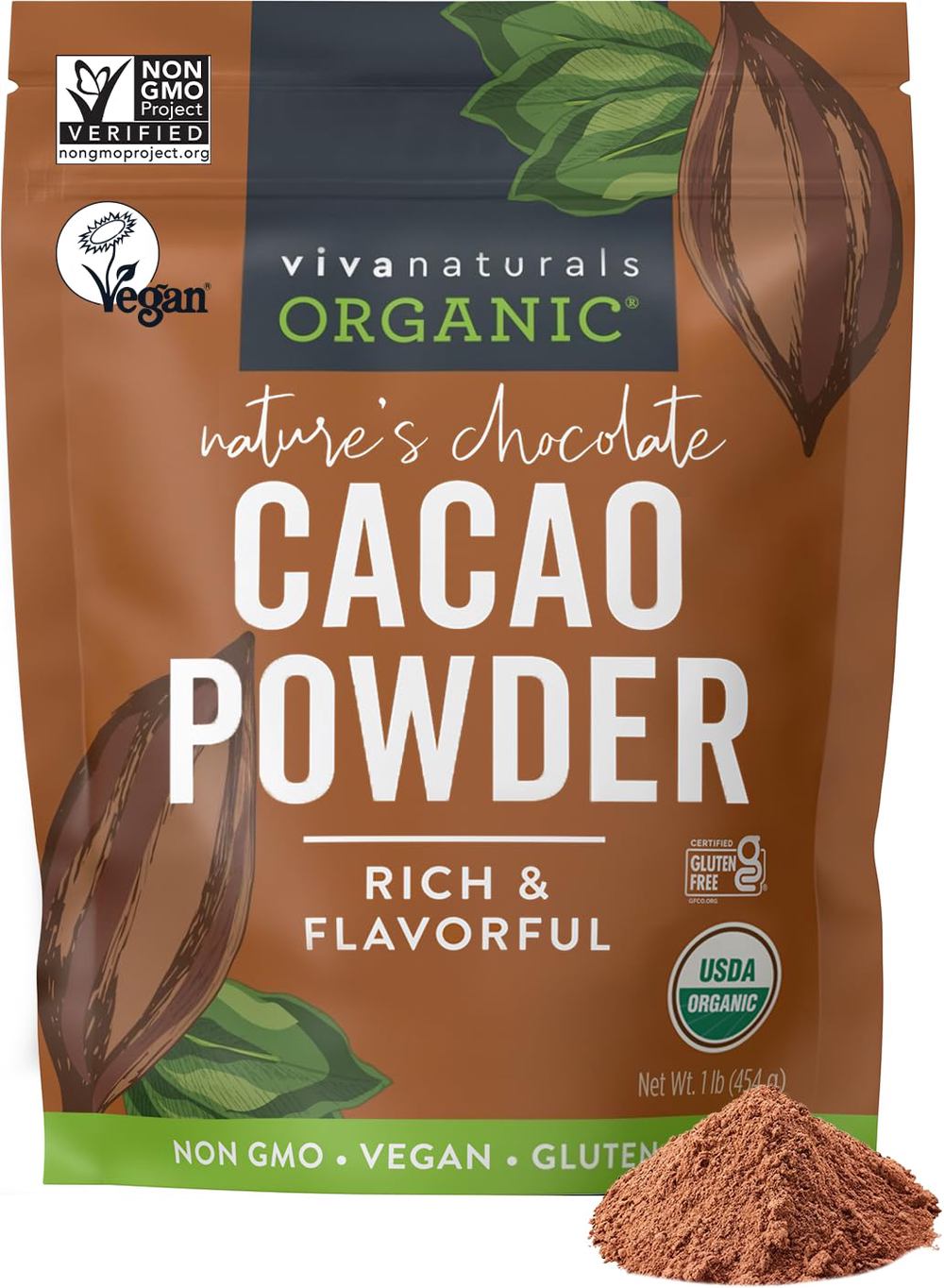
Cravings aren't random acts of rebellion. They often signal an underlying imbalance. For example, a persistent urge for salty snacks could point to adrenal fatigue or stress that's not being managed. A craving for chocolate might indicate a need for magnesium, which plays a role in calming the nervous system.
When cravings become compulsive or are followed by guilt, it's worth asking: Is this hunger, or is this an emotional signal?
If you find yourself reaching for sugar or refined carbs every time you feel anxious or overwhelmed, that's a therapy warning sign. Your diet is telling you that your coping mechanisms might need updating. Instead of judging the craving, treat it as data. Write down what you ate and how you felt before and after. Over time, a pattern may emerge that points directly to a need for better stress regulation or nutritional support.
Blood Sugar Swings and Mood Swings
One of the most underrated links between diet and mental health is blood sugar stability. When your blood sugar spikes and crashes, so does your mood. You might feel irritable, tearful, or even panicked for no obvious reason. Sound familiar? That could be a therapy warning sign that your body is struggling to regulate glucose.
A diet heavy in simple carbohydrates—white bread, sugary drinks, pastries—can create a roller coaster of highs and lows. Over time, this can mimic or worsen symptoms of anxiety and depression. The fix isn't complicated, but it does require attention: pair carbohydrates with protein, fiber, or fat to slow absorption. For instance, have apple slices with almond butter instead of just apple juice. Your brain will thank you by staying calmer.
Gut Health and the Second Brain
Your gut is lined with millions of neurons that communicate directly with your brain. This is why digestive issues often accompany mental health struggles. If you experience bloating, irregularity, or heartburn alongside feelings of worry or sadness, take note. Those are therapy warning signs that your gut microbiome may be out of balance.
Research shows that a diet rich in fiber, fermented foods, and polyphenols (think berries, green tea, and dark chocolate) supports the growth of beneficial bacteria. These bacteria produce neurotransmitters like serotonin, which regulates mood. By contrast, a diet high in ultra-processed foods can promote inflammation and disrupt this gut–brain dialogue.
If your stomach is constantly upset for no clear reason, consider keeping a food and mood journal. Patterns—like feeling anxious after a fast-food lunch or depressed after skipping breakfast—are exactly the kind of clues a therapist would encourage you to explore.
Inflammation and the 'Brain Fog' Warning
Brain fog—that thick, slow feeling where you can't quite concentrate or recall words—is a common complaint. It can stem from sleep deprivation, stress, or hormonal shifts, but diet plays a major role too. Certain foods can promote chronic low-grade inflammation, which affects neural processing. Common culprits include refined seed oils, excessive sugar, and trans fats.
When brain fog becomes a regular visitor, it is a therapy warning sign that your diet might be contributing to cognitive inefficiency. This doesn't mean you need an extreme elimination diet. It could be as simple as swapping out inflammatory fats for sources of omega-3s, like salmon, walnuts, or flaxseeds. Even small changes—such as cooking with olive oil instead of margarine—can reduce inflammation over time.
Sleep and Your Evening Plate
Insomnia or restless sleep is often discussed in therapy, but rarely linked to what you ate for dinner. Yet your evening meal can set the stage for a night of tossing and turning. Heavy, spicy, or high-sugar foods late at night can trigger acid reflux, blood sugar swings, and a racing mind. If you consistently wake up at 3 a.m. with your heart pounding, that is a therapy warning sign worth investigating.
Consider winding down with a meal that includes complex carbohydrates (like sweet potato or quinoa) and a source of tryptophan (like turkey, tofu, or pumpkin seeds). This combination helps your body produce melatonin naturally. Also, avoid alcohol as a sleep aid—it might help you fall asleep, but it fragments your sleep later in the night.
How to Use These Signs Without Overthinking
The goal here is not to obsess over every single food choice. Rather, it is to develop a gentle awareness of how dietary patterns correlate with your emotional and cognitive state. If you notice that your mood dips after certain meals, or that your anxiety peaks following a day without vegetables, those are valuable therapy warning signs. Bring those observations into your therapy sessions. A good therapist will help you connect the dots between your food choices and your emotional life.
Your diet isn't a replacement for therapy. But it is a powerful mirror reflecting what's happening beneath the surface.
Start with one small change: a food-mood diary for one week. Note the time, what you ate, and how you felt emotionally and mentally within the next two hours. Patterns will emerge. Those patterns are your body's way of showing you where healing might need to happen—both on the plate and in the heart.