
Seasonal depression, often referred to as Seasonal Affective Disorder (SAD), can feel like a fog that rolls in with the changing weather. For many, it arrives so gradually that they don't recognize it until they are already deep in a slump. You might notice you are sleeping more, craving carbohydrates, or feeling inexplicably low as the days get shorter. The key to managing this cycle is not just treating the symptoms once they appear, but learning to identify your personal triggers before the heavy mood sets in.
While a drop in sunlight is the most common trigger, the condition is far more personal than that. Your specific stressors—whether related to holiday obligations, a change in routine, or even the smell of a particular season—can act as an early warning system. By understanding these unique cues, you can build a proactive strategy that protects your mental health year-round.
Why your personal triggers matter more than the calendar
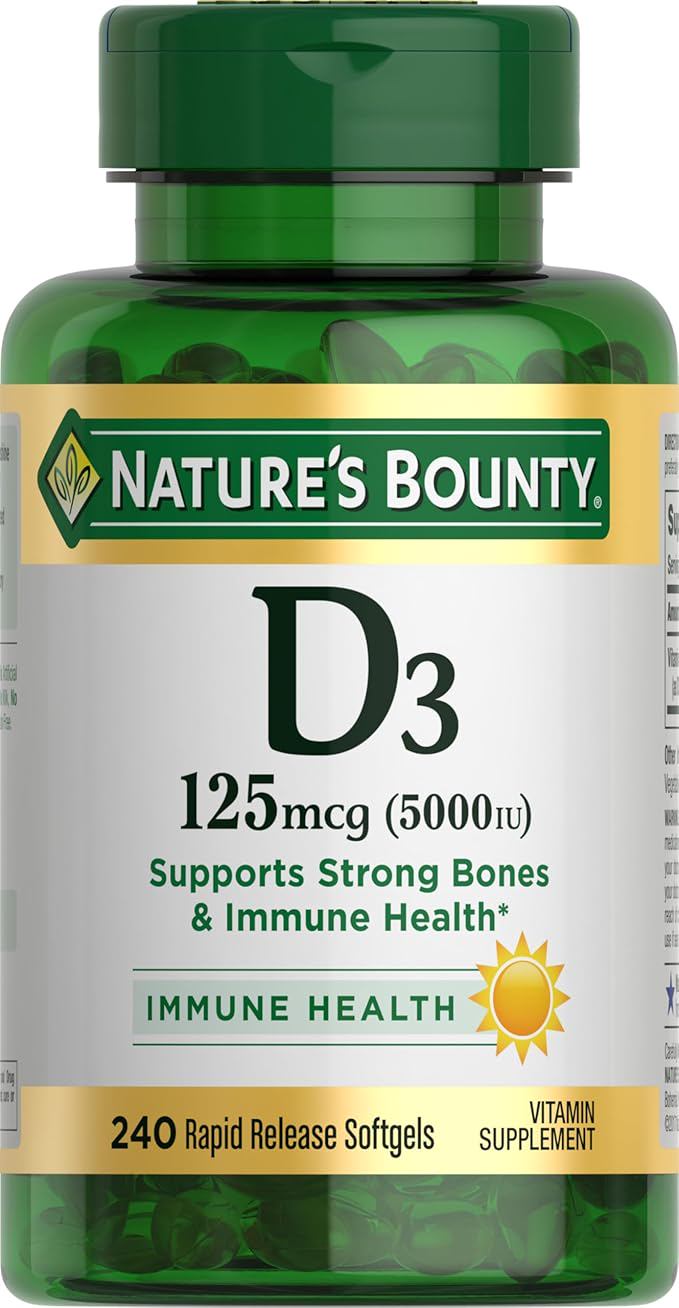
General advice about light therapy and vitamin D is helpful, but it only goes so far. The truth is that your brain and body respond to a constellation of factors during seasonal transitions. Your energy levels react differently to stress than your neighbor's. For one person, the trigger might be the reduced daylight; for another, it’s the social isolation of winter or the high-pressure demand to be merry during the holidays.
Identifying your specific triggers allows you to move from a reactive state to an empowered one. Instead of wondering why you feel low every November, you can pinpoint the exact moment the shift began. This clarity helps you deploy the right coping mechanism at the right time, rather than using a generic approach that may miss the mark. It also reduces the feeling of helplessness that often accompanies seasonal depression, because you are no longer blindsided by your own mood.
Common but overlooked seasonal depression triggers
Changes in light exposure and circadian rhythm
This is the most well-known trigger, but it goes deeper than just shorter days. Your circadian rhythm, the body's internal clock, relies on light signals to regulate sleep, hormone release, and mood. When the sun rises later and sets earlier, your melatonin production can spike at odd hours, leading to daytime fatigue and difficulty waking. This biological shift can mimic the early stages of clinical depression without you connecting it to the season.
Dietary shifts and comfort eating
As the temperature drops, many people naturally gravitate toward warm, heavy meals and sugary treats. These foods can spike blood sugar and then cause a crash, leading to mood swings that mirror depressive symptoms. If you notice you are craving simple carbohydrates or reaching for alcohol more often as the seasons change, these are tangible physical signs that your body is trying to self-soothe. They can serve as an early red flag that your mental health needs attention.
Reduced physical activity and social withdrawal
A trigger for seasonal depression is often a behavior, not just a feeling. When the weather turns unpleasant, it is easy to skip that morning walk or cancel plans with friends. A decrease in physical activity lowers endorphin levels, and social withdrawal feeds loneliness. This creates a feedback loop: you feel low, so you withdraw, which makes you feel worse. Recognizing this pattern early—when you first feel that urge to cancel—is a powerful way to intervene.
“Your personal weather is not the same as the sky’s weather. Your trigger could be a scent, a specific work deadline, or even the feeling of the first cold rain. Pay attention to what uniquely signals the season for you.”
How to create your own early-detection system
Instead of waiting until you feel bad, build a simple tracking system. This does not need to be complicated. A basic notebook or a note on your phone can serve as your early-warning tool. For one week at the start of a new season, jot down your mood, energy level, food cravings, and sleep quality each evening. After seven days, look for patterns. Did your mood drop after a specific event? Did you sleep poorly after eating a particular meal? These data points are your personal trigger map.
Another practical approach is to identify your “seasonal signature.” This is the very first sign that the season is changing for you. For some, it is a feeling of heaviness in the limbs; for others, it is an increased irritability or a sudden lack of interest in hobbies. Once you know your personal signature, you can respond immediately. The moment you feel that heaviness or irritability, you can take a short walk outside, adjust your sleep schedule, or call a friend to break the isolation cycle before it fully takes hold.
Actionable steps when you identify a trigger
- Realign your light exposure: If a lack of light is a trigger, sit near a window in the morning or use a light therapy box for 20 to 30 minutes. Do not wait for the sun to be bright; consistent exposure matters more.
- Prioritize movement before you feel ready: Exercise is a potent antidepressant. Schedule a simple activity, like a 10-minute stretch or a short walk, at the same time each day. This consistency is more important than intensity.
- Audit your food and drink: If cravings spike, add one portion of protein or a complex carbohydrate (like oatmeal or beans) to each meal to stabilize your energy. Notice how cutting back on caffeine and sugar affects your mood after three days.
- Set social anchor points: Commit to one small, low-pressure social interaction each week. This could be a phone call with a friend or a quick coffee with a neighbor. Anchor it to a specific day and time to fight the urge to withdraw.
When to get professional support
While these strategies are effective for managing mild to moderate seasonal triggers, they are not a substitute for professional care. If your low mood persists for more than two weeks, significantly disrupts your work or relationships, or includes thoughts of self-harm, it is crucial to speak with a doctor or a licensed mental health professional. A therapist can help you refine your trigger identification and provide treatments like Cognitive Behavioral Therapy (CBT) specifically designed for SAD, which is one of the most evidence-based interventions available.
Identifying your seasonal depression triggers is not about perfection. It is about becoming a student of your own mind and body. The more you understand your unique seasonal patterns, the more you can soften the landing into the harder months, ultimately reclaiming a sense of control and well-being.