When the clocks fall back and daylight grows scarce, many people notice a shift in their mood. For some, the shorter days bring on a form of depression known as seasonal affective disorder (SAD). While light therapy and lifestyle adjustments often take center stage in treatment discussions, emerging research suggests that certain foods might also offer modest support. The following three items are worth considering as part of a broader strategy to maintain mental well-being through the darker months.
Fatty Fish and Vitamin D
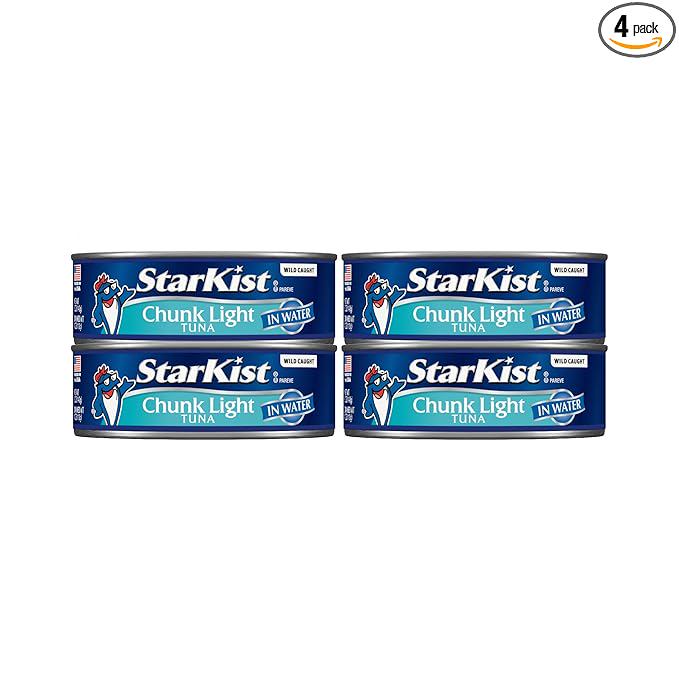
Low vitamin D levels are common during winter, and researchers have noted a strong link between this deficiency and depressed mood. Salmon, mackerel, sardines, and herring are among the best natural sources of vitamin D. They also provide omega-3 fatty acids, which play a role in brain cell signaling and the regulation of neurotransmitters like serotonin. Some observational studies have found that populations with higher fish consumption report lower rates of seasonal mood issues.
You don't need huge portions. Even two servings of fatty fish per week can help maintain vitamin D status during months when sunlight is insufficient for skin synthesis. For those who prefer plant-based options, fortified plant milks and UV-exposed mushrooms provide smaller amounts of vitamin D, but they lack the omega-3s found in fish.
Complex Carbohydrates
The craving for bread, pasta, and potatoes that often hits during gloomy weather isn't just in your head—it's a physiological signal. When we eat carbohydrates, the body releases insulin, which helps clear certain amino acids from the bloodstream, allowing tryptophan—the precursor to serotonin—to enter the brain more easily. This can produce a temporary calming effect and lift mood.
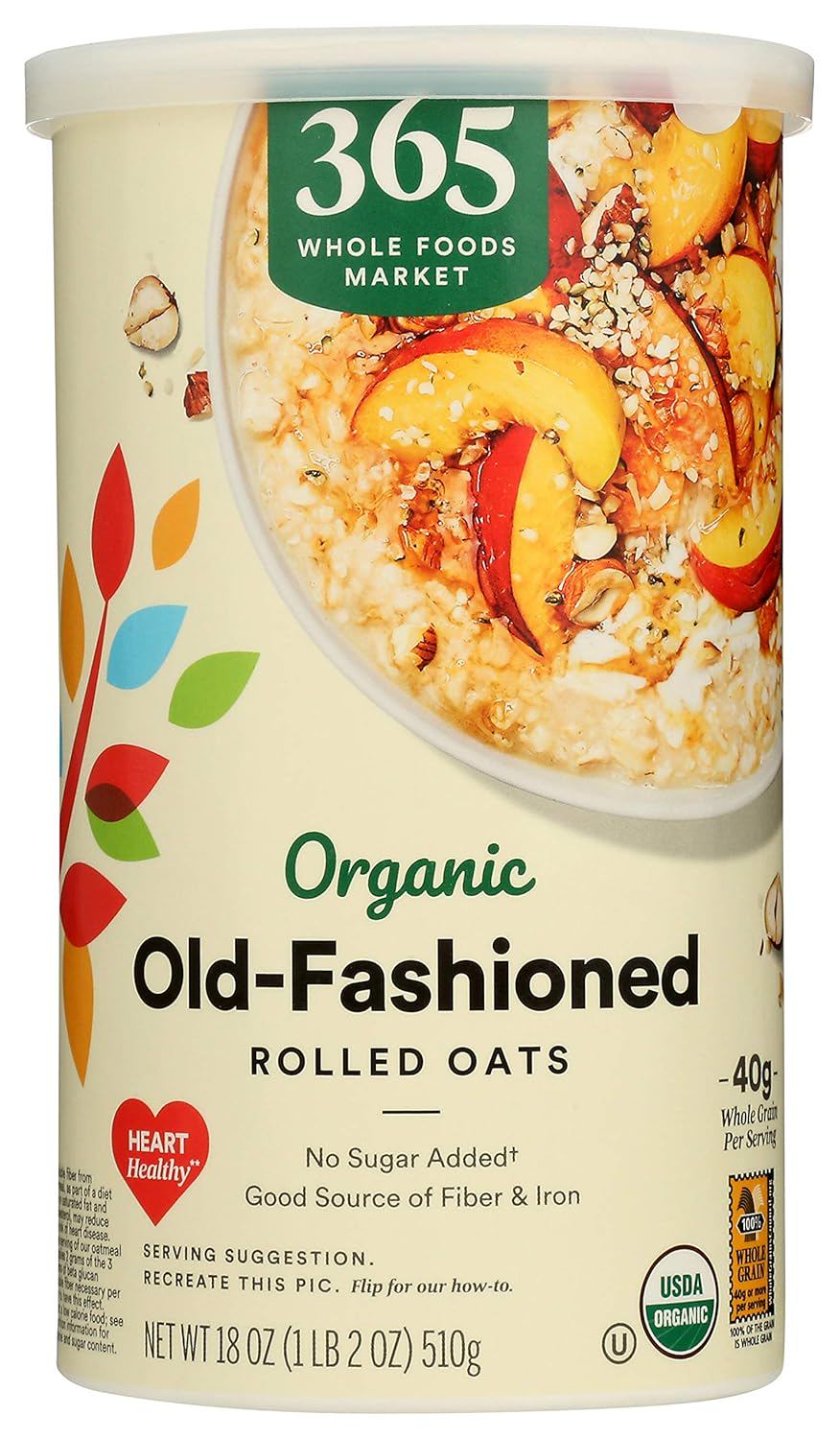
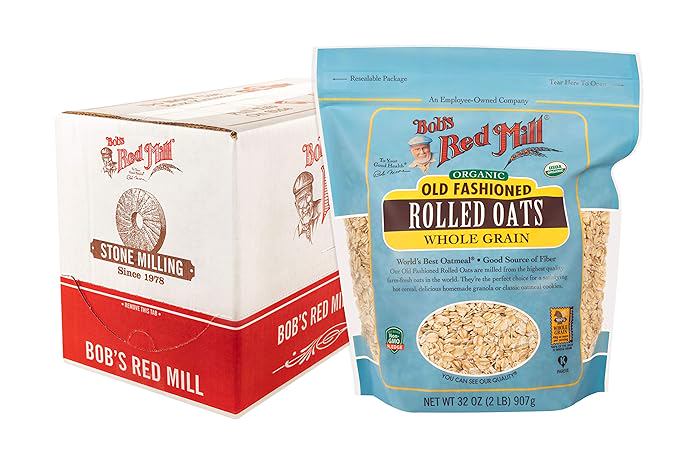
The key is to choose complex carbohydrates over simple ones. Steel-cut oats, quinoa, brown rice, sweet potatoes, and legumes deliver a slow, steady release of glucose, preventing the blood sugar spike-and-crash cycle that can worsen irritability and fatigue. Pair them with a little protein at meals to stabilize energy further. Think of a warm bowl of lentil soup or oatmeal with walnuts as a form of edible daylight.
A Note on Timing
Eating a small carbohydrate-rich snack in the late afternoon—a few hours before sunset—may help offset the evening energy dip that often accompanies seasonal depression. Try a piece of fruit with a handful of almonds or a slice of whole-grain toast with avocado.
Fermented Foods
The gut-brain axis is a two-way street, and an increasing body of evidence suggests that a healthy gut microbiome supports balanced mood. Fermented foods introduce beneficial bacteria and can reduce systemic inflammation—a factor implicated in depression. Yogurt (plain, with live cultures), kefir, sauerkraut, kimchi, miso, and kombucha are accessible options.
One 2023 meta-analysis of randomized controlled trials found that fermented foods significantly improved depressive symptoms compared to control conditions, though effects were modest and varied by individual. The mechanism likely involves the production of short-chain fatty acids, which influence brain function through vagus nerve signaling and immune modulation. Start with a single serving per day and increase gradually if your digestive system tolerates it well.
Keep in mind: Seasonal depression is a clinical condition, not just the winter blues. If your symptoms interfere with daily functioning—including persistent low energy, oversleeping, hopelessness, or changes in appetite—speak with a healthcare provider. Diet is a complementary tool, not a replacement for therapy, light boxes, or medication when needed.
None of these foods are quick fixes. Seasonal depression develops over weeks as daylight wanes, and dietary changes take time to exert noticeable effects. The smartest approach is to weave fatty fish, complex carbs, and fermented foods into your regular eating pattern starting in early autumn, before the worst of the seasonal slump hits. Combine them with a consistent sleep schedule, daily exposure to natural morning light (even on overcast days), and regular physical activity for the best chance of keeping mood stable through the long, dark months.