
Children often lack the words to explain how they feel when stress builds up. Instead of saying "I'm overwhelmed," they might complain of a stomachache, act out at school, or suddenly resist going to bed. For parents and caregivers, learning to spot these stress-related symptoms is the first step toward offering the right kind of support.
While we tend to think of childhood as a carefree time, the reality is that children face their own pressures—from academic expectations and social dynamics to family changes and world events. The challenge is that stress in kids rarely looks like it does in adults. Below, pediatric experts and child development specialists share practical guidance on recognizing the signals that a child may be carrying more weight than they can handle.
What does stress look like in a child's daily behavior?
Stress in children often surfaces through shifts in their normal routines and habits. A child who was once easygoing might become irritable or tearful over small setbacks. You might notice a return to earlier behaviors, such as thumb-sucking, bed-wetting, or clinging to a parent at drop-off. Changes in eating patterns—either eating much less or much more than usual—can also be a clue. Sleep is another key window: difficulty falling asleep, frequent nightmares, or a sudden fear of sleeping alone may signal that a child's mind is racing at night.
Physical symptoms parents should not ignore
Children frequently express emotional stress through physical complaints. Headaches and stomachaches are among the most common stress-related symptoms, especially before school or a challenging event. Some children develop tension in their shoulders or jaw, while others may feel nauseous or have changes in bowel habits. According to pediatric health experts, these physical symptoms often have no clear medical cause and tend to disappear when the child feels safe and calm. If a child repeatedly reports feeling sick but checks out fine at the doctor's office, stress may be the underlying factor.
When to consider a medical evaluation
It is always wise to rule out a physical illness first. If a child has persistent pain, fever, or other concerning signs, a pediatrician's assessment is essential. However, when symptoms come and go in patterns linked to school, social situations, or family tension, stress is a likely contributor.
Emotional and social signs that stress is present
Stress can also show up in how a child relates to others. Younger children may become more withdrawn, avoiding playdates or group activities they once enjoyed. Older children and teens might seem more argumentative, isolated, or quick to anger. A drop in grades, reluctance to go to school, or a sudden loss of interest in hobbies can all point to emotional overload. Some children become overly self-critical or express worries that seem out of proportion to the situation—for example, extreme fear of making a minor mistake on a test.
“When a child's behavior changes noticeably for more than two weeks, it's worth paying attention,” says child psychologist Dr. Amara Singh. “Not every change is a crisis, but it's a sign that the child may need more support or a different way to cope.”
How to tell the difference between normal ups and downs and problem stress
Every child has bad days. The key is looking at the pattern. Transient grumpiness or a brief bout of nerves before a performance is normal. What raises concern is when symptoms persist for weeks, worsen over time, or interfere with a child's ability to function at home, in school, or with friends. A child who consistently refuses to go to school, has daily meltdowns, or stops eating meals with the family may be dealing with a level of stress that needs active intervention. Trust your instincts: if your gut tells you something is off, it is worth exploring further.
Conversation starters for checking in with your child
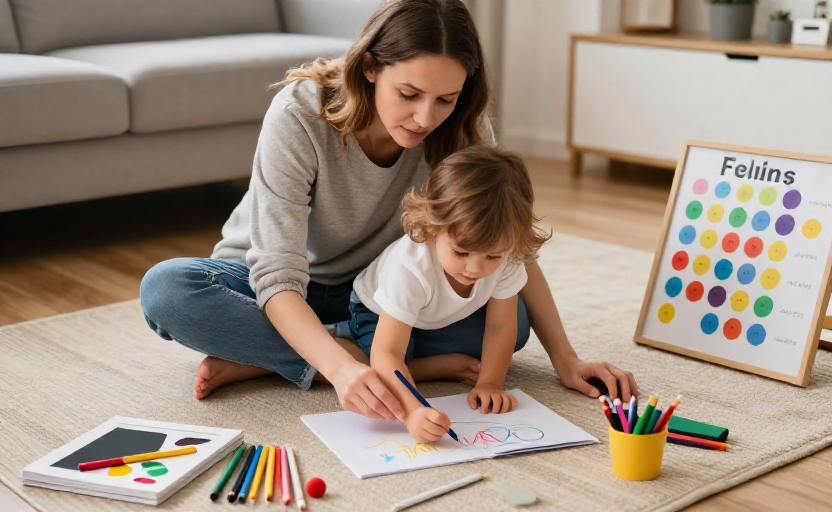
Children often need help naming what they feel. Instead of asking a broad “How was your day?” try more specific questions: “What was the hardest part of today?” or “Is there something on your mind that feels a little worrying?”. Keep your tone curious and calm, not interrogating. Younger children may respond better to drawing, playing, or using a feelings chart to express themselves. The goal is not to solve every problem in one conversation but to create a regular space where the child feels heard without judgment.
If a child is reluctant to talk, consider talking while doing an activity together—walking, coloring, building with LEGOs—so the conversation feels less intense. Sometimes the most meaningful talks happen side by side, not face to face.
Practical ways caregivers can reduce stress at home
Structuring the day with predictable routines can help children feel secure. Consistent mealtimes, bedtimes, and after-school rituals give the brain a sense of safety. Limiting screen time, especially before sleep, reduces overstimulation. Physical activity is a proven stress reliever: even 20 minutes of outdoor play can lower cortisol levels. Equally important is modeling healthy coping yourself. When children see a parent take a deep breath, name their own feelings, or step away to calm down, they learn that stress is manageable—not something to fear or hide.
When to seek professional help
If stress symptoms are severe—such as self-harm, refusal to eat, panic attacks, or talk of wanting to die—professional support is needed immediately. For milder but persistent signs, a school counselor, pediatrician, or child therapist can offer strategies tailored to the child's age and situation. Early support often prevents stress from turning into more serious anxiety or depression.
Recognizing stress in children is not about labeling every mood as a problem. It is about staying attuned, asking the right questions, and responding with empathy before the weight becomes too heavy. With expert-backed awareness and a calm, consistent presence, adults can help children navigate life's pressures in ways that build resilience for the long haul.