Bringing a newborn home is a life-changing event, but integrating a sleep routine into a bustling household can feel like a challenge. Babies thrive on predictability, even in the midst of activity. With a few expert-backed strategies, you can create a calming sleep environment and a consistent rhythm that works for your family—without demanding total silence or a perfectly empty schedule.
This guide walks through how to establish a newborn sleep routine that respects your baby’s needs while acknowledging the reality of a busy home. The goal is not perfection, but progress toward a restful environment for everyone.
Why a newborn sleep routine matters (even in a busy home)
Newborns have immature nervous systems and rely on external cues to regulate sleep and wake cycles. A simple, predictable routine helps signal to your baby that it is time to wind down. This can reduce fussiness, improve sleep quality, and help parents feel more in control.
In a busy household, a routine also provides a shared framework. Older siblings, partners, or extended family members can follow the same steps, ensuring consistency even when schedules vary. The key is to keep the routine short (10–20 minutes) and adaptable to household noise or interruptions.
Core elements of a newborn sleep routine
Focus on three to five calming activities that you can repeat in the same order before each sleep period — naps and nighttime. These should be gentle, low-stimulation, and portable if needed.
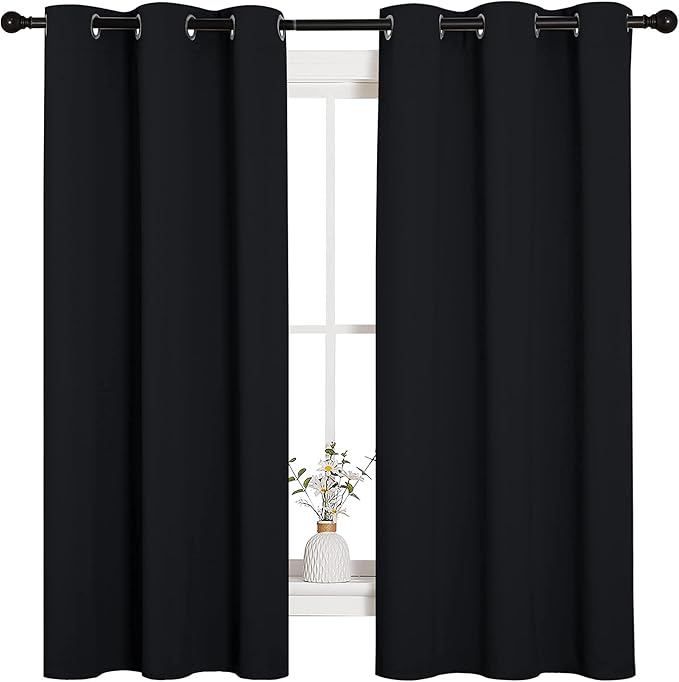
- Dim the lights — Lower lighting cues the brain to produce melatonin. Even if the rest of the house is bright, a dim lamp in the nursery or a dark room with blackout curtains helps.
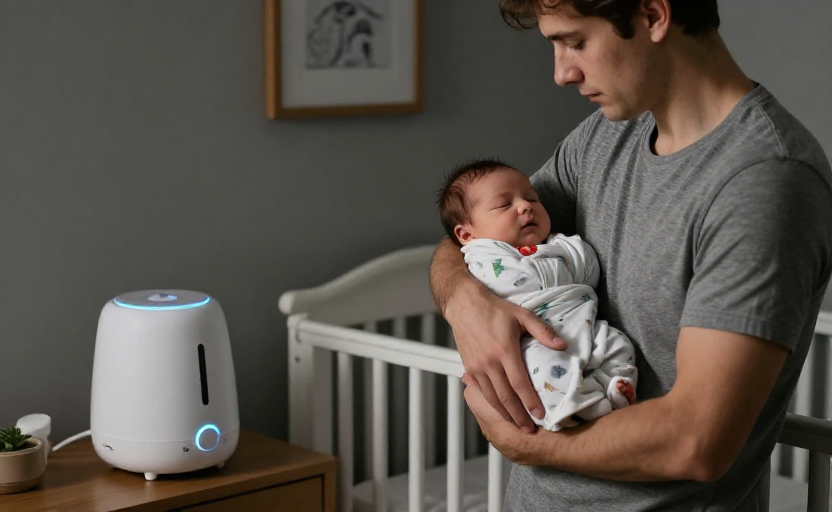
- Swaddle or sleep sack — Swaddling mimics the cozy feel of the womb and can prevent the startle reflex from waking your baby. Use a safe, breathable swaddle or sleep sack.
- Skin-to-skin or gentle rocking — A few minutes of holding, rocking, or using a baby carrier can lower heart rate and signal safety.
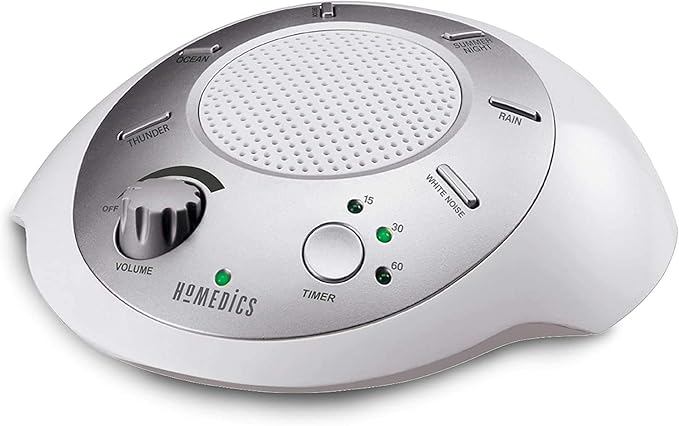
- White noise or soft shushing — Steady, rhythmic sound masks household noises (doorbells, conversations, footsteps) and mimics the sounds your baby heard in the womb.
- A brief song or soft story — A short lullaby or quiet reading (even the same picture book every time) creates a predictable auditory cue.
Quick tip: Keep the routine under 20 minutes. Newborns have short wake windows, and overly elaborate routines can lead to overtiredness.
Adapting the routine to a busy household
Not every home can be quiet all the time. In fact, most babies are capable of sleeping through moderate noise if they are used to it from the start. Instead of tiptoeing, use the routine to create a focused pocket of calm around sleep times while allowing normal household sounds elsewhere.
- Zone the house. During naps and early bedtimes, keep high-traffic areas (kitchen, living room) a reasonable distance from the nursery. Use a white noise machine in the baby’s room to buffer sounds.
- Involve siblings. Older children can help with a part of the routine, like turning on the white noise or handing you the swaddle. This fosters bonding and reduces jealousy.
- Be flexible with location. If you are out or the house is especially chaotic, a compressed version of the routine (dim lights + white noise + rock) can still help your baby settle in a travel crib or carrier.
What a realistic sleep schedule looks like for a newborn
Newborns (0–3 months) typically need 14–17 hours of sleep in 24 hours, broken into short stretches of 2–4 hours. There is no “set” bedtime at this stage; rather, watch for sleepy cues: eye rubbing, yawning, fussiness, or pulling at ears. Aim to start the routine within 20–30 minutes of when your baby first seems tired—sooner, not later.
A sample rhythm might look like:
- 7:00 a.m. — Wake and feed
- 8:30 a.m. — Short nap (30 min–1.5 hr)
- 10:00 a.m. — Wake and feed
- 11:30 a.m. — Nap
- 2:00 p.m. — Wake and feed
- 3:30 p.m. — Nap
- 5:30 p.m. — Cluster feed (may happen across 2–3 hours)
- 7:00–8:00 p.m. — Start bedtime routine (bath, feed, book, bed)
- 8:00 p.m.–midnight — Longest sleep stretch (often 3–5 hours)
This is just an example. Your baby may need more or fewer naps, or different timing. The point is to have a loose skeleton rather than a strict timetable.
Common obstacles and how to handle them
“My baby only sleeps while being held.”
This is normal for newborns. You can gradually transition to independent sleep by placing your baby down drowsy (not fully asleep) after a calming routine. If the baby wakes, try patting or shushing in the crib rather than picking up immediately. Consistency over several days helps.
“The house is too loud for naps.”
Use a white noise machine set to a consistent volume (around 50–60 decibels, similar to a steady shower). Additionally, create a “nap zone” — a room with blackout curtains and a closed door — even if the rest of the house is active. Over time, your baby will associate that zone with sleep, regardless of background noise.
“Our schedule varies day to day.”
Instead of a fixed clock, follow your baby’s sleepy cues and maintain the same sequence of activities before each sleep. The predictable order (dim lights → swaddle → rock → white noise) becomes the anchor, not the clock time.
Safety considerations for newborn sleep
- Always place your baby on their back on a firm, flat surface with no loose bedding, pillows, or stuffed animals.
- Use a wearable blanket or sleep sack instead of loose blankets.
- Keep the room at a comfortable temperature (68–72°F / 20–22°C) to reduce overheating risk.
- For nighttime feeds, keep lights dim and interaction minimal to reinforce that nighttime is for sleeping.
Reminder: Every baby is different. It is normal for routine to take 1–2 weeks to feel natural. Be kind to yourself and adjust based on your baby’s temperament and your family’s needs.
When to seek additional guidance
If your baby is not gaining weight appropriately, has difficulty breathing during sleep, or is unusually hard to wake, consult your pediatrician. For persistent sleep troubles beyond 3–4 months, a pediatric sleep consultant may offer personalized strategies.