
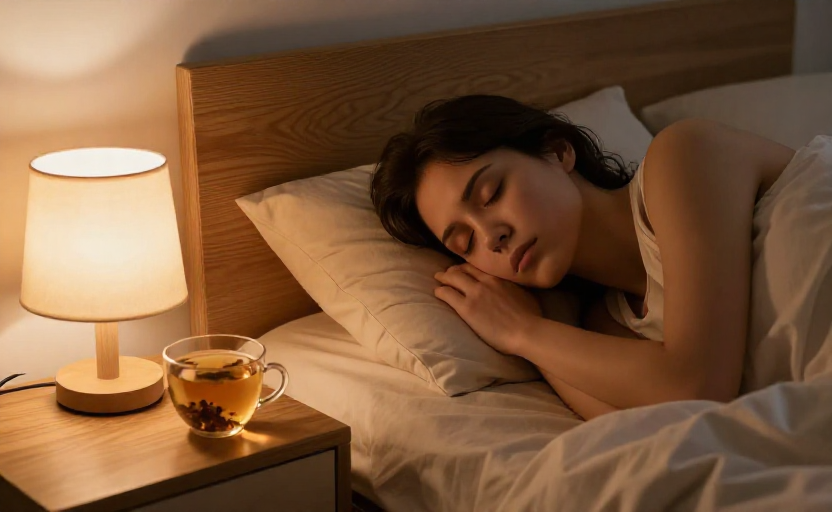
A restless mind at bedtime can feel like a locked loop—the more you worry about sleeping, the harder it becomes to drift off. This is the sleep anxiety cycle, and it affects millions of people. The good news is that you can interrupt this pattern with practical, research-supported strategies that don't rely on medication. Here's expert-backed advice for breaking the sleep anxiety cycle naturally.
What Is the Sleep Anxiety Cycle?
Sleep anxiety is exactly what it sounds like: fear or worry about the act of sleeping itself. You might dread the moment your head hits the pillow because you anticipate another night of tossing and turning. That anxiety triggers your body's stress response, releasing cortisol and adrenaline, which keep you alert. The harder you try to force sleep, the more awake you become. Over time, this creates a conditioned response where your bed—meant for rest—becomes a cue for vigilance.
Dr. Kamna Chhibber, a clinical psychologist, notes that the beliefs we hold about sleep can become powerful coping mechanisms—or obstacles. When we perceive sleep as a challenge rather than a natural process, our anxiety reinforces insomnia, and insomnia reinforces anxiety. Breaking this cycle requires addressing both the mind and the body.
Establish a Consistent Wind-Down Routine
One of the most effective ways to signal your brain that it's safe to sleep is through a predictable pre-bed routine. Your nervous system craves predictability. Aim to start winding down 60 to 90 minutes before you intend to sleep.
- Dim the lights. Bright light, especially blue light from screens, suppresses melatonin production. Switch to warm, low-level lighting an hour before bed.
- Disconnect from devices. Put your phone, tablet, and laptop away. The constant stream of information—work emails, social media, news—keeps your brain in problem-solving mode.
- Try a relaxing activity. Reading a physical book, gentle stretching, or listening to calm music can lower your heart rate and cue relaxation.
Consistency is key. When you repeat the same sequence each night, your brain begins to associate those actions with safety and sleep, gradually weakening the anxiety response.
Use a Technique Called "Worry Time"
Anxiety often strikes hardest when you're alone with your thoughts in a dark room. Instead of trying to suppress worries, schedule them earlier in the evening. Set aside 15 minutes in the late afternoon or early evening to actively write down everything on your mind—tasks, concerns, fears. This is not a time to ruminate but to externalize your thoughts onto paper.
When a worry surfaces at bedtime, remind yourself: I already addressed this during worry time. I can let it go for now. This simple cognitive reframe helps your brain stop treating bedtime as an urgent problem-solving session.
Practice Progressive Muscle Relaxation
Anxiety lives in the body. If your shoulders are hunched and your jaw is clenched, your brain receives signals that you're under threat. Progressive muscle relaxation (PMR) is a technique that directly counters this.
Lie down in bed. Starting with your toes, tense the muscles as tightly as you can for five seconds, then release completely. Notice the difference between tension and relaxation. Gradually work your way up through your feet, calves, thighs, abdomen, hands, arms, shoulders, neck, and face. By the time you reach your forehead, your entire body will have received a clear message: it's time to rest.
People who practice PMR regularly often fall asleep faster and report fewer middle-of-the-night awakenings.
Reset Your Sleep Environment
Your bedroom should be a sanctuary for sleep, not a multipurpose room for work, eating, or scrolling. Keep the room cool—around 65 to 68 degrees Fahrenheit is ideal for most people. Blackout curtains or a comfortable eye mask can block light that might otherwise signal wakefulness. White noise machines or fans provide a steady, soothing sound that masks sudden noises (like a neighbor's door or traffic).
Even small changes matter. If you associate your bed with anxiety, try rearranging the furniture or changing your pillowcase. A fresh visual environment can help you form a new, neutral association with the space.
Reframe Your Thoughts About Sleep
Many people with sleep anxiety hold rigid beliefs: "I must get eight hours of sleep or I'll be a wreck tomorrow." These beliefs create pressure that makes sleep impossible. Cognitive reframing involves replacing these rigid thoughts with more flexible ones.
Try saying to yourself: Even if I don't sleep perfectly tonight, I can still manage tomorrow. Resting quietly in bed still benefits my body and brain. This removes the all-or-nothing thinking that fuels anxiety. You're not saying sleep doesn't matter—you're saying your worth and your next day aren't destroyed by one imperfect night.
Limit Caffeine and Alcohol in the Evening
Caffeine blocks adenosine, the neurotransmitter that builds sleep pressure. Even a moderate coffee or tea consumed six hours before bed can disrupt sleep architecture. Similarly, alcohol may help you fall asleep initially, but it fragments light sleep and suppresses REM sleep, leading to a restless night and more anxiety the next day.
Swap evening coffee for a calming herbal tea like chamomile, lavender, or passionflower. These herbs have mild sedative properties that can gently support relaxation without side effects.
Know When to Seek Professional Support
If you've tried these strategies consistently for several weeks and still struggle with severe sleep anxiety or chronic insomnia, consider speaking with a healthcare provider. Cognitive behavioral therapy for insomnia (CBT-I) is a well-established, non-medication approach that addresses the root causes of sleep anxiety. A therapist or sleep specialist can offer personalized guidance and rule out underlying conditions like sleep apnea or restless legs syndrome.
Breaking the sleep anxiety cycle takes patience. The goal isn't perfection—it's progress. By adopting these expert-backed strategies, you can gradually teach your brain and body that bedtime is safe, calm, and restorative.