It is one of the more frustrating paradoxes in skincare: your skin looks shiny by midday, yet feels tight or flaky when you wash it. You want to add moisture, but you are terrified that every lotion and cream will trigger a fresh breakout. The instinct to strip every drop of oil is understandable, but it usually backfires. When you dry out acne-prone skin, your sebaceous glands often panic and produce even more oil to compensate, which can worsen congestion.
The real goal is balance, not elimination. You can absolutely hydrate oily, acne-prone skin without clogging pores — you just need to choose the right textures, ingredients, and habits. Here is the expert-backed approach to quenching your skin's thirst while keeping breakouts at bay.
Why your oily skin still needs moisture
Think of your skin barrier like a brick wall. The skin cells are the bricks, and the lipids that hold them together are the mortar. When your barrier is healthy, water stays in and irritants stay out. Harsh foaming cleansers, acne-fighting acids, and retinoids can weaken that mortar over time, leading to invisible cracks. Through those cracks, water evaporates and bacteria can sneak in.
Hydration is not the same thing as oiliness. Hydration refers to water content, while sebum is oil. Your skin can be both oily (producing excess sebum) and dehydrated (lacking water) simultaneously. By supplying lightweight hydration without heavy oils, you actually support your barrier, which can calm inflammation and help your skin regulate its own oil output more effectively.
Look for these hydrating ingredients (they won't clog pores)
Not all moisturizing ingredients are created equal. Some are comedogenic (pore-clogging by nature), while others are virtually impossible for pores to block. Focus on humectants and lightweight emollients that copy the skin's own chemistry.
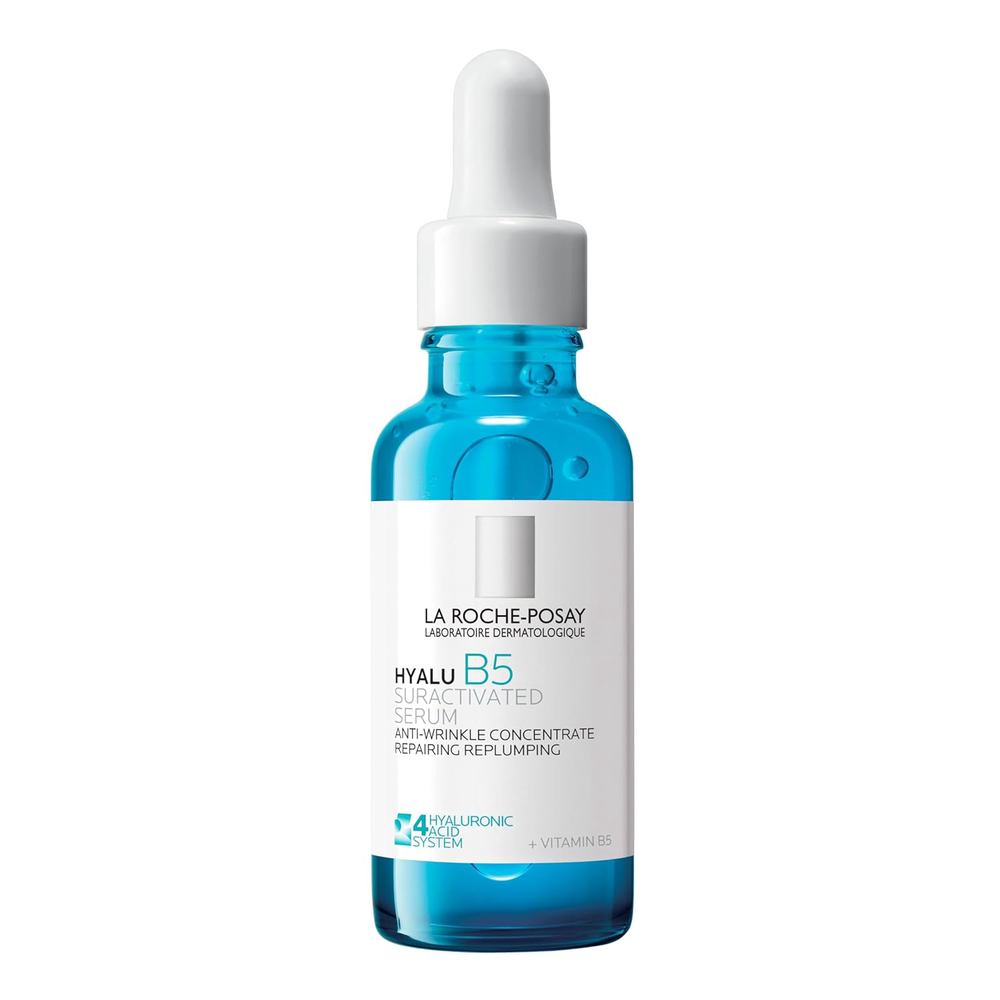
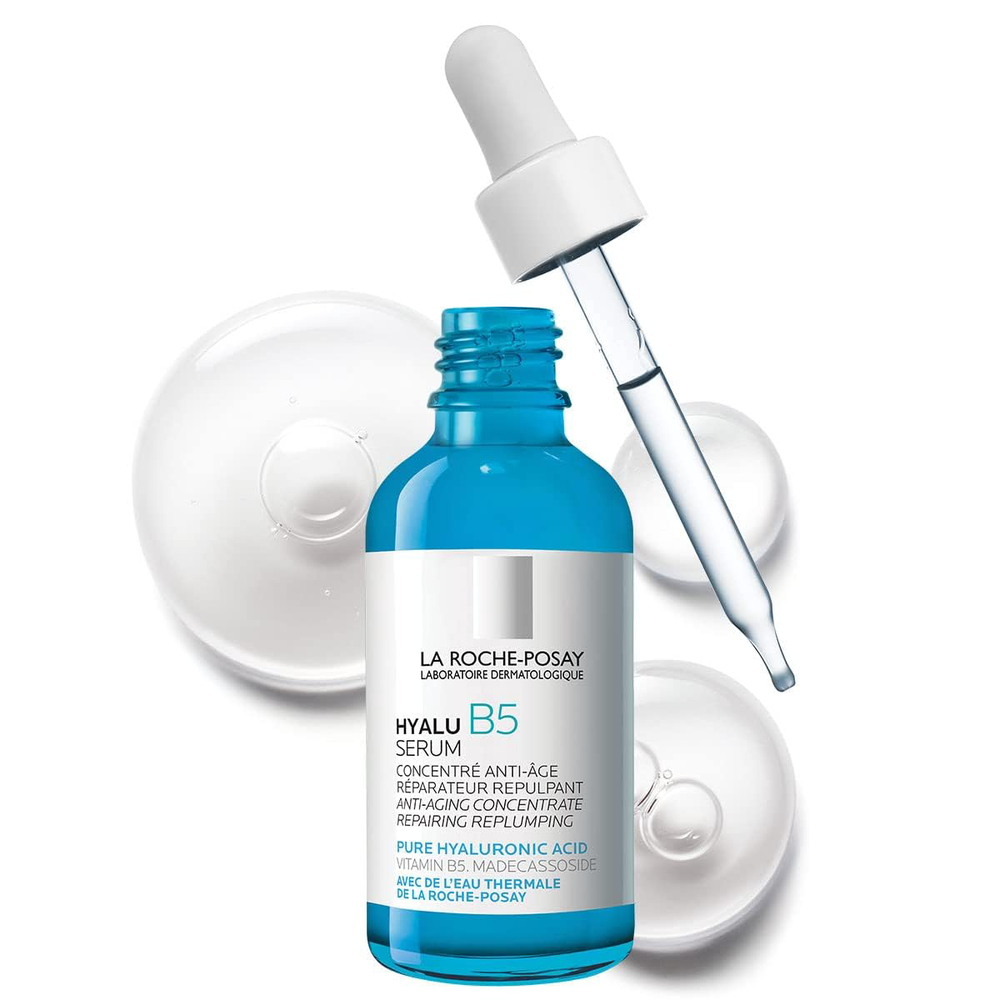
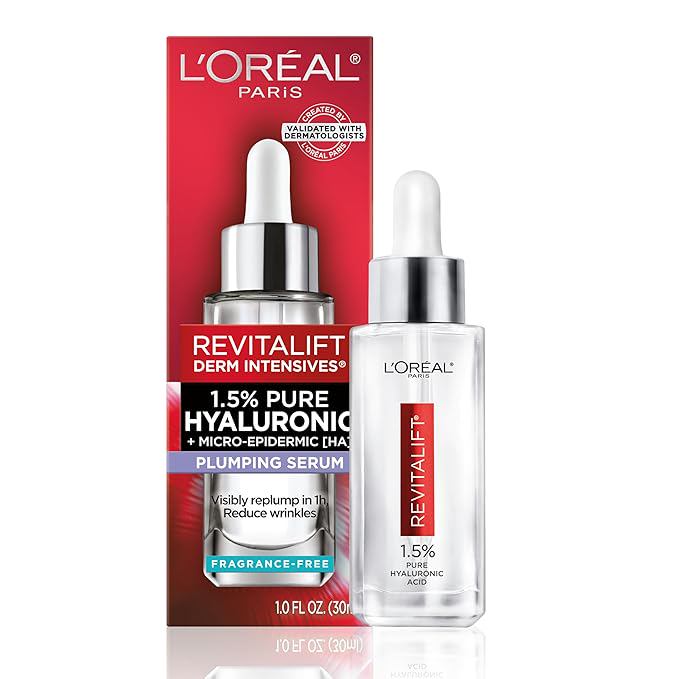
- Hyaluronic acid. This is the gold standard for hydration without weight. It can hold up to 1,000 times its weight in water, drawing moisture into the upper layers of skin. Serums and gel-creams with hyaluronic acid feel like nothing on the skin but deliver serious hydration.
- Glycerin. A simple, inexpensive humectant that is found in almost every gentle moisturizer. It is non-comedogenic and deeply effective at pulling water into the stratum corneum.
- Niacinamide (vitamin B3). This multitasking ingredient does double duty: it strengthens the barrier to hold onto moisture while also helping to regulate sebum production and calm redness. It is well-tolerated by most acne-prone skin types and rarely causes congestion.
- Ceramides. These are the lipids naturally found in your barrier. Modern ceramide formulations are often micronized and suspended in lightweight bases that repair the barrier without leaving a greasy film. Look for "ceramide NP" or "ceramide AP" in the ingredient list.
- Water-based polyols. Ingredients like propanediol, butylene glycol (yes, it is safe for most acne-prone skin), and sorbitol are thin humectants that keep the product lightweight.
Ingredient red flags: what to avoid
Just as important as what you add is what you skip. Comedogenicity is not an exact science — everyone's skin reacts differently — but certain oils and waxes are statistically more likely to block pores. For acne-prone skin, it is wise to stay away from heavy emollients such as coconut oil, cocoa butter, shea butter (in high concentrations), soybean oil, and certain fatty alcohols like cetyl alcohol when they appear near the top of the ingredient list. Thick occlusives like petrolatum and lanolin can also trap bacteria and sweat, which is risky for breakout-prone skin.
That said, many plant oils (like squalane, jojoba oil, and hemp seed oil) are actually non-comedogenic for most people. Jojoba oil closely mimics human sebum, and squalane is a hydrogenated version of a natural skin lipid. A few drops of these in a lightweight moisturizer can provide balance without triggering acne, though it is always smart to patch-test.
How to build your hydration routine (step by step)
Order matters when you are trying to layer lightweight hydration without pilling or overwhelming the skin. Keep each step thin.
- Start with a gentle, non-stripping cleanser. Foaming cleansers with sulfates can be too harsh. A gel or milky cleanser with a pH around 5.5 that contains salicylic acid or niacinamide can gently exfoliate and soothe without destroying your barrier.
- Apply your hydrating serum while skin is still damp. Damp skin absorbs humectants much better than dry skin. Immediately after cleansing, while your face is still dewy, apply a hyaluronic acid or glycerin serum. Drop a few drops into your palm and press it gently into the skin.
- Seal with a gel-cream or water-based moisturizer. Traditional rich creams are often too heavy. A gel-cream formula with ingredients like ceramides, niacinamide, and peptides will lock in the serum's moisture without pore congestion. If you need extra barrier support, add one pump of a squalane oil afterward instead of switching to a heavier cream.
- (Optional) Use a damp face mask weekly. A hydrogel or sheet mask that contains hyaluronic acid, aloe vera, or centella asiatica can give an extra boost without the need for rich creams.
Common mistakes that worsen the problem
Less is more — but skipping moisturizer entirely is not the answer.
One of the biggest mistakes people with oily skin make is using foaming cleansers multiple times a day, which strips the barrier and triggers rebound oil production. Another is applying active ingredients like benzoyl peroxide or salicylic acid on completely dry skin without a buffer, leading to redness and peeling that encourages more congestion. Always apply actives over a thin layer of hydrating serum, not bare skin.
Also, watch for your water temperature. Hot water is a barrier destroyer. Stick to lukewarm water for rinsing, and pat your skin dry rather than rubbing.
When to consult a dermatologist
If despite your best efforts your skin remains congested or inflamed, it may be time to see a dermatologist. Prescription options such as topical retinoids or anti-androgen medications can address the hormonal component that drives oily, acne-prone skin. A professional can also advise on in-office treatments like hydrafacials or light chemical peels that clear pores while infusing hydration — something over-the-counter products may not fully achieve on their own.
Ultimately, the path to hydrated, clear skin is not about avoiding moisture. It is about choosing the right type of moisture in the right order. Your skin can be comfortable, balanced, and breakout-free — a goal that does not require deprivation, just a smarter approach.