
When we think about supporting our health, we often focus on our heart, our energy, or our digestion. Yet, the intricate systems that govern our intimate health—from hormonal balance to tissue integrity and a balanced microbiome—are profoundly influenced by what we eat every day. Nutrition provides the foundational building blocks for our body's resilience and function, and this includes the areas we might be less comfortable discussing.
A dietitian's approach to intimate wellness isn't about miracle cures or single "superfoods." It's about consistent, thoughtful nourishment that supports the body's natural processes. By choosing foods rich in specific nutrients, we can create an internal environment that fosters strength, balance, and comfort.
How does diet influence intimate health?
Our reproductive and urinary systems are sensitive to our overall nutritional status. The foods we consume affect inflammation levels, blood flow, hormone production, and the delicate balance of bacteria in our bodies. Chronic inflammation, for instance, can disrupt normal function, while poor blood circulation may affect tissue health. The goal of a supportive diet is to reduce factors that can cause imbalance and to supply the nutrients these systems need to thrive.
Think of food as foundational support for your body's natural resilience, not as a direct treatment for specific conditions.
Key nutrients and where to find them
Focusing on a few key categories of nutrients can guide your food choices toward supporting intimate wellness.
Probiotics and prebiotics for microbial balance
A healthy vaginal and gut microbiome is crucial for preventing imbalances and supporting the body's natural defenses. Probiotics introduce beneficial bacteria, while prebiotics act as food for those good bacteria already present.
- Probiotic-rich foods: Look for fermented options like plain yogurt with live cultures, kefir, kimchi, sauerkraut, and kombucha. These foods help maintain a diverse and robust bacterial community.
- Prebiotic-rich foods: These are fibers that feed good bacteria. Excellent sources include garlic, onions, leeks, asparagus, bananas, and oats.
Omega-3 fatty acids to manage inflammation
Omega-3s are powerful allies in managing systemic inflammation, which can impact intimate tissues. Incorporating these fats can support a healthier inflammatory response.
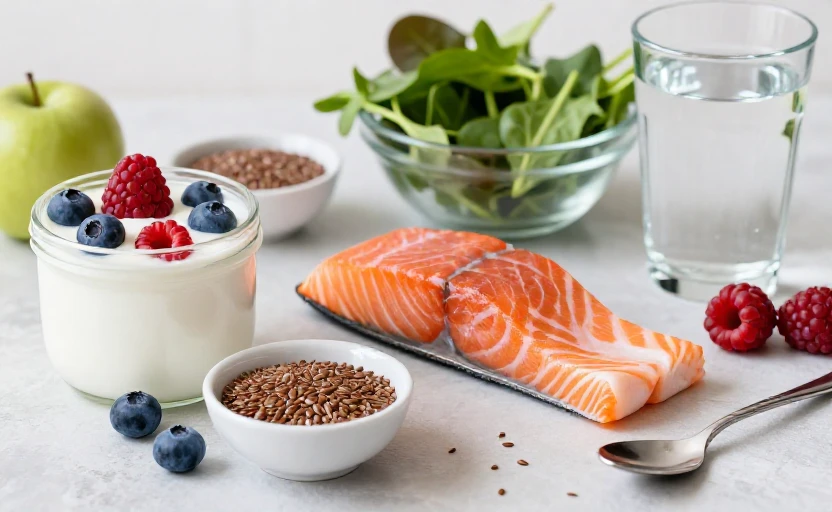
Find omega-3s in fatty fish like salmon, mackerel, and sardines. For plant-based sources, turn to flaxseeds, chia seeds, walnuts, and hemp seeds. A sprinkle of ground flax on oatmeal or a handful of walnuts as a snack are simple ways to include them.
Antioxidants for cellular protection
Antioxidants help protect cells from oxidative stress, which can affect all bodily tissues, including those in intimate areas. A diet rich in colorful fruits and vegetables ensures a broad spectrum of these protective compounds.
Brightly colored berries (blueberries, strawberries), dark leafy greens (spinach, kale), sweet potatoes, bell peppers, and tomatoes are all excellent choices. The deeper the color, the richer they tend to be in protective antioxidants like vitamins C and E.
Foods to emphasize for specific support
Beyond individual nutrients, certain whole foods offer a combination of benefits that make them particularly supportive.
Cranberries are often discussed for urinary tract health. Some research suggests that certain compounds in cranberries may help prevent bacteria from adhering to the urinary tract lining. Opt for unsweetened cranberry juice or whole cranberries rather than sugary cocktails to get the benefit without the blood sugar spike.
Leafy green vegetables like spinach and Swiss chard are packed with magnesium. This mineral plays a role in muscle relaxation and nerve function, which can be relevant for comfort and circulation.
Whole grains such as quinoa, brown rice, and oats provide steady energy and are rich in B vitamins. B vitamins, particularly B6 and folate, are involved in hormone regulation and overall cellular health.
Water is perhaps the most fundamental element. Staying well-hydrated is essential for maintaining healthy mucous membranes, supporting the body's natural cleansing processes, and preventing urinary tract irritation. Herbal teas can also contribute to fluid intake.
Foods and habits to approach with mindfulness
Just as some foods support intimate health, others may contribute to imbalance or irritation for some individuals. This is highly personal, but common sensitivities include:
- High-sugar foods and refined carbs: Excess sugar can disrupt the balance of yeast and bacteria in the body.
- Highly processed foods: These often contain inflammatory fats and additives that may not support overall wellness.
- Potential irritants: For some people, caffeine, alcohol, or very spicy foods might trigger irritation or inflammation. Paying attention to your body's unique responses is key.
The most impactful approach is to observe how your body feels. Keeping a simple food and symptom journal for a few weeks can help you identify any personal patterns between your diet and your sense of intimate well-being.
A holistic view of nourishment
Food is one vital piece of the intimate health puzzle, but it works best alongside other supportive habits. Managing stress through techniques like meditation or gentle movement supports hormonal balance. Prioritizing sleep allows the body to repair and regulate itself. Wearing breathable, cotton underwear can help maintain a dry and comfortable environment.
If you have persistent concerns about your intimate health, such as recurrent discomfort, unusual symptoms, or significant changes, it's important to consult a healthcare provider. They can offer personalized guidance and rule out any underlying conditions. A registered dietitian can also help you tailor a nutritional plan that addresses your specific needs and goals, creating a sustainable approach to eating that supports your whole body, inside and out.