Your vascular system is the intricate network of highways and byways that carries life-sustaining blood throughout your body. Keeping these pathways flexible, clear, and healthy is foundational to your overall well-being, influencing everything from energy levels to long-term vitality. While we often focus on solid foods for heart health, what you drink plays an equally powerful, and sometimes more immediate, role.
Certain beverages offer a direct route to delivering key nutrients that support the inner lining of your blood vessels (the endothelium), help manage inflammation, and promote healthy blood pressure. Let’s explore some of the top dietitian-recommended drinks that can be a simple, enjoyable part of your daily routine for nurturing your vascular health.
What makes a drink good for your blood vessels?
Before diving into specific sips, it helps to understand what your vascular system needs. The goal is to support endothelial function—this thin lining is responsible for regulating blood flow, preventing clots, and keeping arteries flexible. Key dietary allies for this include antioxidants (which combat oxidative stress that damages cells), polyphenols (plant compounds with anti-inflammatory effects), and minerals like potassium and magnesium, which help manage blood pressure.
The best drinks for vascular health are typically those that are minimally processed, free from excessive added sugars, and rich in these beneficial compounds. They work in concert with a balanced diet, not as magic potions, but as consistent, supportive habits.
Hydration: The essential foundation
We can’t talk about vascular health without starting with pure, simple water. Adequate hydration ensures your blood maintains an optimal viscosity—neither too thick nor too thin. When you’re dehydrated, your blood can become more concentrated, which may temporarily increase blood pressure and make your heart work harder.
Think of water as the base solvent for everything in your bloodstream; it allows nutrients to move freely and waste products to be efficiently removed.
Aim to drink water consistently throughout the day. While needs vary, a good rule of thumb is to drink enough so that your urine is pale yellow. Herbal teas and water-rich foods like cucumbers and melons also contribute to your daily fluid intake.
Tea: A powerhouse of polyphenols
Both green and black tea are celebrated for their vascular benefits, largely thanks to catechins and other flavonoids. These compounds are associated with improved endothelial function and may help arteries stay relaxed and responsive.
- Green tea is particularly rich in epigallocatechin gallate (EGCG), a potent antioxidant studied for its role in supporting healthy blood vessel dilation.
- Black tea undergoes fermentation, which creates different beneficial compounds like theaflavins, also linked to cardiovascular support.
The preparation matters. To get the most benefit, steep your tea for several minutes to allow the compounds to fully infuse into the water. Enjoy it without heaps of sugar to keep it a truly health-supportive choice.
The deep red benefits of beetroot juice
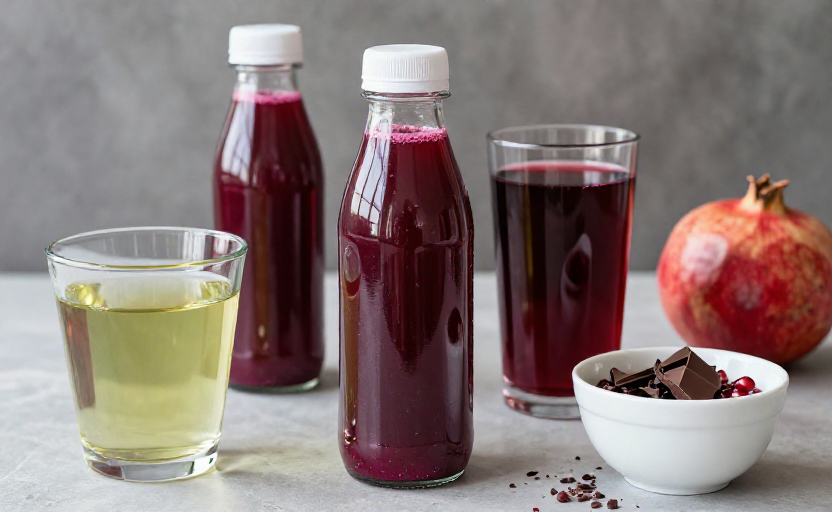
This vibrant drink has garnered significant attention from nutrition researchers. Beetroots are naturally high in dietary nitrates, which your body converts into nitric oxide. Nitric oxide is a molecule that signals your blood vessels to relax and widen, which can support healthy blood flow and pressure.
Some studies have shown that drinking beetroot juice may lead to modest, temporary improvements in blood pressure readings. The effect seems most pronounced a few hours after consumption. The taste can be earthy, so try blending a small amount with other vegetable or fruit juices, like carrot or apple, if you’re new to it.
Tart and protective: Pomegranate juice
Pomegranate juice is another antioxidant superstar, packed with punicalagins and anthocyanins. Research suggests these compounds may help protect LDL cholesterol from oxidation—a key step in the process that can challenge arterial health—and support the nitric oxide activity we mentioned earlier.
Important note: Look for 100% pomegranate juice with no added sugar, as it is naturally quite sweet. Because it is calorie-dense, a small serving of 4 to 8 ounces is sufficient to gain benefits without overdoing the sugar intake.
Cocoa and dark chocolate drinks
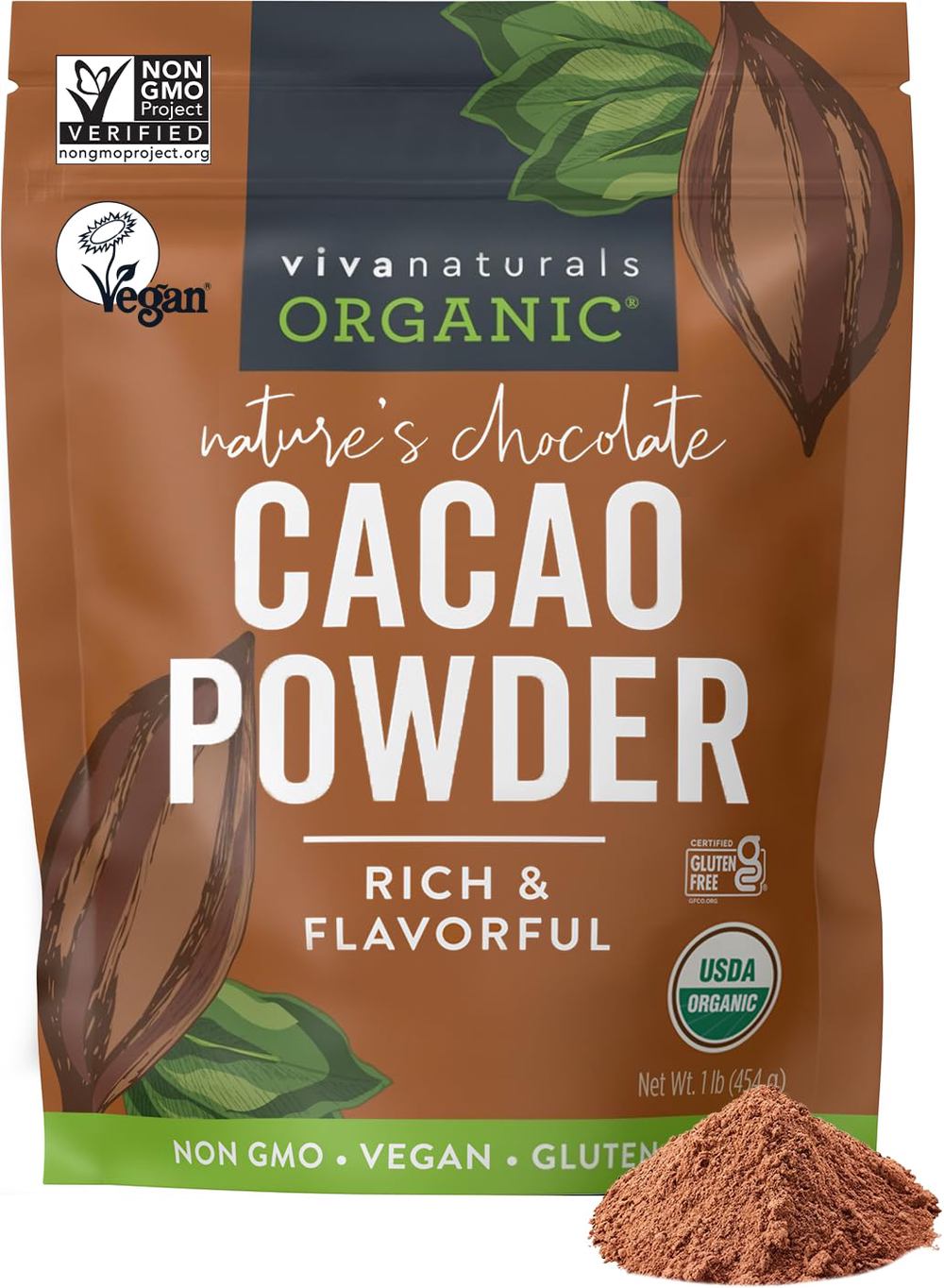
Yes, this one feels like a treat—and it can be. The flavanols in cocoa have been shown to support endothelial function and promote healthy circulation. The key is to choose preparations with a high cocoa content and minimal sugar.
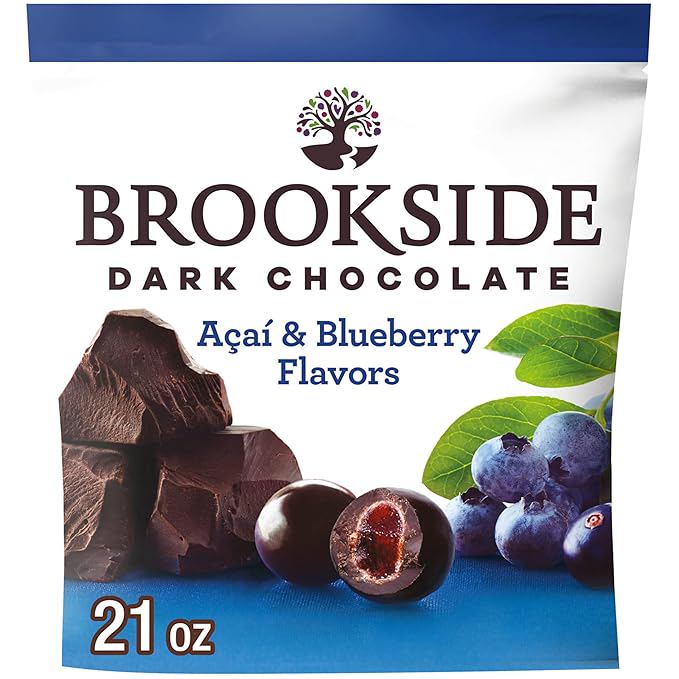
This means opting for natural cocoa powder (not Dutch-processed, which reduces flavanol content) to make a hot drink, or choosing dark chocolate with 70% cocoa or higher to melt into warm milk. A small square of dark chocolate with a cup of tea can be a delightful, vascular-friendly ritual.
Drinks to enjoy in moderation or reconsider
Balance is key. While the following are common in many diets, their relationship with vascular health is more complicated.
Red wine: The “French Paradox” brought resveratrol, a polyphenol in red wine, into the spotlight. While moderate consumption (one glass per day for women, up to two for men) has been associated with certain heart benefits in some studies, the evidence is not strong enough to recommend starting to drink for health. The potential risks of alcohol often outweigh these benefits. You can get resveratrol from grapes, blueberries, and peanuts instead.
Sugary sodas and fruit drinks: These are often the biggest culprits for added sugar in the diet. High sugar intake is linked to inflammation, weight gain, and elevated triglycerides—all factors that can strain your vascular system. Artificially sweetened drinks are a better choice for reducing sugar, but water remains the gold standard.
Excessive caffeine: For most people, moderate coffee consumption (3-4 cups per day) is neutral or even slightly beneficial due to its antioxidant content. However, excessive caffeine can cause a temporary spike in blood pressure in some individuals. Listen to your body.
Building a vascular-friendly drinking routine
Incorporating these drinks isn’t about a rigid schedule, but about creating flavorful, healthy defaults. You might start your day with a glass of water, enjoy green tea with your mid-morning break, have a small glass of beetroot juice as a pre-lunch boost, and wind down with a cup of cocoa in the evening.
Remember, these beverages are part of a holistic picture that includes a diet rich in fruits, vegetables, whole grains, and healthy fats, regular physical activity, stress management, and not smoking. When you choose a drink, see it as an opportunity to nourish your body from the inside out, one supportive sip at a time.