When we think about supporting our overall well-being, we often focus on energy, mood, or heart health. But what we eat plays a surprisingly direct role in another key aspect of vitality: sexual function. Nutrition provides the building blocks for hormones, supports healthy blood flow, and influences energy levels—all foundational elements for a satisfying intimate life.
This isn't about miracle foods or quick fixes. It's about understanding how a consistent pattern of nourishing choices can create an internal environment where your body functions at its best. Let's explore the key nutrients involved and how to weave them into delicious, everyday meals and snacks.
How does food actually influence sexual function?
It comes down to a few core physiological processes. First, circulation is paramount. Optimal blood flow is essential for arousal and physical response in all bodies. Nutrients that support flexible, healthy blood vessels make a tangible difference.
Second, our endocrine system, which produces hormones like testosterone and estrogen, relies on specific fats and micronutrients. Chronic inflammation and oxidative stress, often fueled by a diet high in processed foods, can dampen this system. Finally, energy and mood are inextricably linked to intimacy. Foods that provide steady energy and support neurotransmitter balance help you feel both physically vibrant and mentally present.
Key nutrients to focus on
Instead of chasing a single "superfood," aim for a dietary pattern rich in these foundational nutrients.
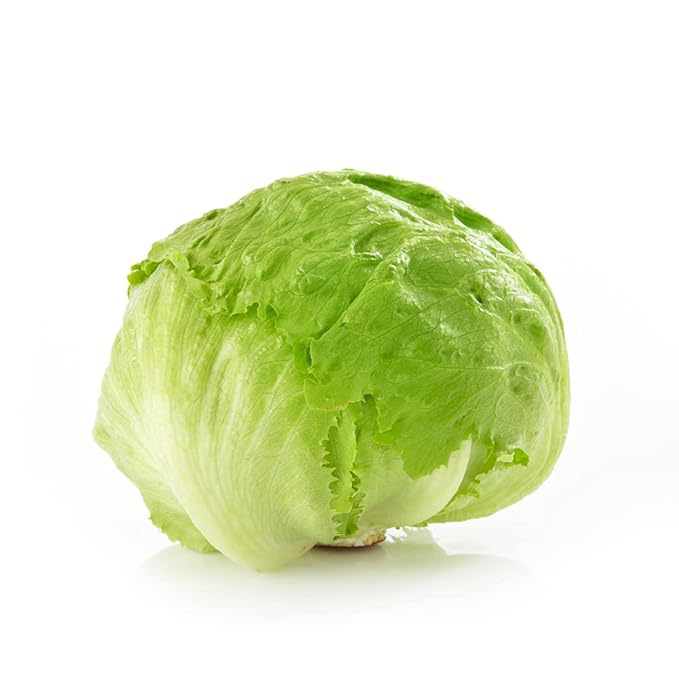
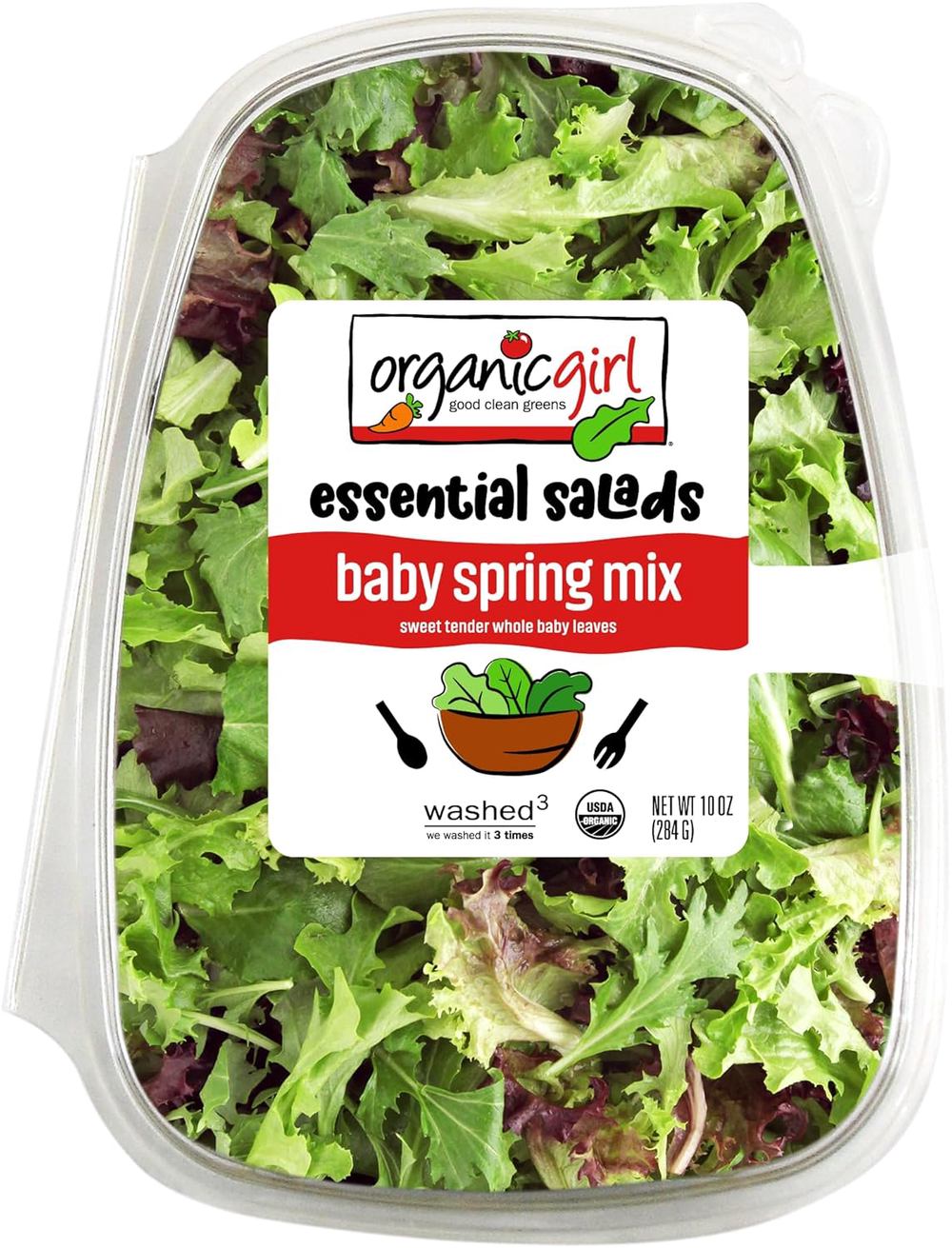
Nitrates and L-arginine for circulation: These compounds help your blood vessels relax and dilate, improving blood flow. You'll find them in leafy greens like spinach and arugula, beets, and certain nuts and seeds.
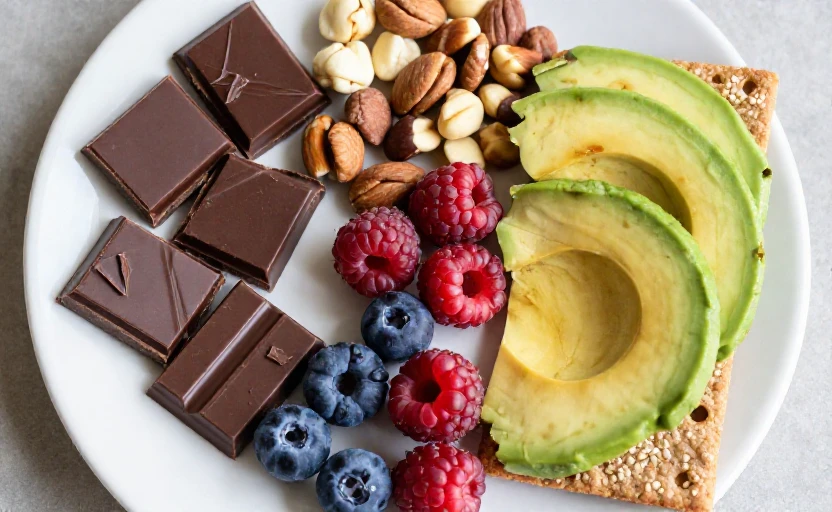
Antioxidants (especially Flavonoids): These combat oxidative stress, which can damage blood vessels and cells. Dark berries, dark chocolate (with high cocoa content), citrus fruits, and artichokes are excellent sources.
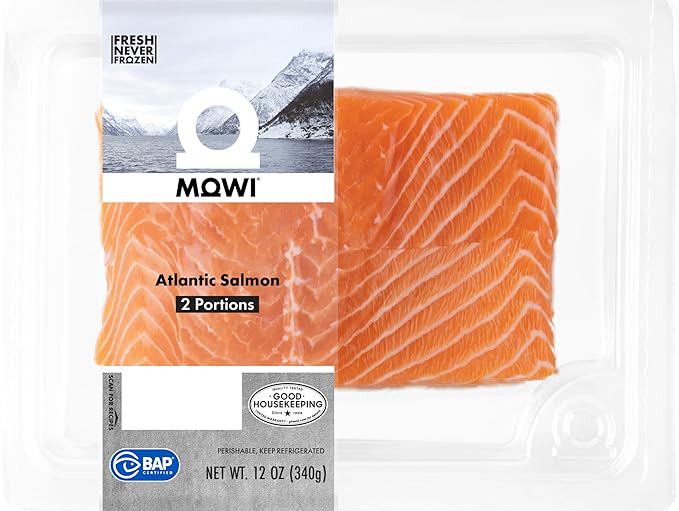
Healthy Fats: Fats are crucial for hormone production. Prioritize monounsaturated fats from avocados, olives, and nuts, and omega-3 fatty acids from fatty fish, walnuts, and flaxseeds.
Zinc: This mineral is directly involved in hormone synthesis and cellular health. Shellfish, legumes, pumpkin seeds, and whole grains are reliable sources.
Think of your plate as supporting overall vitality. What's good for your heart and circulation is often good for sexual health, too.
Dietitian-approved meals and snacks
Here’s how to translate those nutrients into practical, tasty eating.
Simple meal ideas
- Salmon & Greens: A fillet of wild-caught salmon (rich in omega-3s) served over a bed of sautéed spinach and kale (for nitrates and antioxidants), with a side of quinoa (for zinc).
- Mediterranean Bowl: A base of whole grains or lentils, topped with chickpeas, chopped tomatoes, cucumber, olives, avocado, and a lemon-tahini dressing. This combines healthy fats, fiber, and antioxidants.
- Lean Protein & Beet Salad: Grilled chicken or tempeh alongside a vibrant salad of roasted beets, arugula, walnuts, and a light vinaigrette. Beets are a renowned source of circulation-supporting nitrates.
Easy snacks and small bites
- A handful of almonds and dark berries.
- Apple slices with a tablespoon of almond or peanut butter.
- A small square of dark chocolate (70% cocoa or higher) with a few walnuts.
- Greek yogurt topped with pumpkin seeds and a drizzle of honey.
- Whole-grain crackers with mashed avocado and a sprinkle of chili flakes.
Foods and habits that may hinder progress
Just as some foods support function, others can get in the way. Heavily processed foods, excessive sugar, and refined carbohydrates can promote inflammation and lead to energy crashes. Excessive alcohol is a known depressant that can interfere with arousal and performance. Trans fats, found in some fried and packaged foods, can harm blood vessel health over time.
It’s also about patterns, not perfection. Chronic stress and poor sleep can undermine even the best diet, as they elevate cortisol, a hormone that can disrupt your delicate hormonal balance. Viewing nutrition as one part of a holistic approach—including stress management, movement, and rest—is most effective.
Putting it all together
You don’t need a complete dietary overhaul. Start by adding, not restricting. Incorporate one extra serving of vegetables into your day, swap your afternoon candy bar for a piece of fruit with nuts, or choose whole-grain pasta over refined. Hydration is also critical; even mild dehydration can sap energy.
Listen to your body. Notice how you feel after eating certain foods. Do you feel energized and light, or sluggish and heavy? This awareness is a powerful guide. If you have underlying health conditions like diabetes or hypertension, managing those through diet is one of the most significant steps you can take for vascular and overall health.
Ultimately, eating for sexual function is synonymous with eating for long-term, vibrant health. It’s a sustainable, nurturing approach that pays dividends across every aspect of your well-being.