If you’re navigating the waves of heat that can come with perimenopause and menopause, you’re likely looking for relief that feels grounded and sustainable. While no single food is a magic cure, the overall pattern of what you eat—and what you might consider avoiding—can significantly influence your body’s thermostat. It’s less about a restrictive diet and more about strategic, nourishing adjustments that support your system from the inside out.
These adjustments focus on stabilizing the internal environment. Fluctuations in blood sugar and hormones, along with certain dietary triggers, can fan the flames of a hot flash. By making a few thoughtful shifts, you can create a foundation of steadiness that may help turn down the intensity and frequency of those sudden surges of heat.
What’s the connection between diet and hot flashes?
Hot flashes are primarily driven by changes in the hypothalamus, your brain’s temperature control center. As estrogen levels fluctuate and decline, this thermostat becomes more sensitive to slight changes in core body temperature. The result is the familiar, sudden feeling of intense heat, often followed by sweating and chills.
What you eat interacts with this system in a few key ways. Some foods and beverages can act as direct triggers, dilating blood vessels and creating a sensation of heat. More broadly, your diet influences blood sugar stability, inflammation, and even the production of certain neurotransmitters. A diet that causes sharp spikes and crashes in blood sugar, for example, can stress your system and potentially provoke a hot flash response. Conversely, a steady, nutrient-rich eating pattern can help maintain equilibrium.
Adjustment 1: Prioritize blood sugar balance
When your blood sugar levels rollercoaster, your body releases stress hormones like adrenaline and cortisol to help stabilize them. This hormonal surge can mimic the “fight or flight” response, which includes raising body temperature—a potential trigger for a hot flash.
The goal is to avoid the sharp spikes and subsequent crashes. You can do this by building your meals and snacks around a combination of fiber, healthy fats, and protein. This trio slows the absorption of sugars into your bloodstream, providing a slow, steady release of energy.
- Pair carbohydrates with protein or fat. Instead of a plain piece of toast, add avocado or nut butter. Have fruit with a handful of almonds or a scoop of Greek yogurt.
- Choose complex carbohydrates. Opt for whole grains like oats, quinoa, and brown rice over refined white bread, pasta, and sugary cereals.
- Don’t skip meals. Going long periods without eating is a surefire way to set up a blood sugar crash. If you’re prone to afternoon hot flashes, a balanced mid-morning snack might be a simple, helpful intervention.
A steady energy supply from your food can help create a calmer internal environment, which may mean fewer sudden temperature alarms.
Adjustment 2: Be mindful of common dietary triggers
Just as some people are sensitive to certain foods, the menopausal body can become more reactive to specific dietary elements. These aren’t universal triggers—what affects one person might not affect another—but they are common enough to warrant a closer look.
The most frequently cited triggers are caffeine, alcohol, and spicy foods. Caffeine and alcohol are vasodilators, meaning they cause blood vessels near the skin’s surface to widen. This increases blood flow and can create a feeling of warmth or flushing. Spicy foods contain capsaicin, which directly tricks your nervous system into thinking your body temperature has risen, prompting a cooling response.
This doesn’t necessarily mean you must eliminate these items entirely. The strategy is one of mindful observation.
- Track your patterns. Keep a simple log for a week or two. Note when you have a hot flash and what you consumed in the hour or two before. You might discover a personal pattern, like flashes after your afternoon coffee or evening glass of wine.
- Experiment with timing and quantity. Try having your coffee with a substantial breakfast instead of on an empty stomach. See if one glass of wine with dinner is fine, but two becomes problematic. Consider diluting spicy dishes or enjoying them at cooler times of the day.
- Explore alternatives. Herbal teas like peppermint or chamomile can be soothing, caffeine-free options. For alcohol, sometimes the ritual of a fancy glass of sparkling water with citrus can be just as satisfying.
Adjustment 3: Focus on phytoestrogen-rich and cooling foods
This adjustment is about adding in supportive foods, rather than just taking things away. Phytoestrogens are plant-based compounds with a mild, estrogen-like effect in the body. They are thought to gently bind to estrogen receptors, potentially helping to moderate the effects of declining natural estrogen. The research is ongoing, but many people find incorporating these foods beneficial.
Separately, some traditional medicine systems, like Traditional Chinese Medicine (TCM), categorize foods by their thermal properties. “Cooling” foods are believed to help reduce internal heat and inflammation.
You can incorporate both concepts by leaning into these whole-food sources:
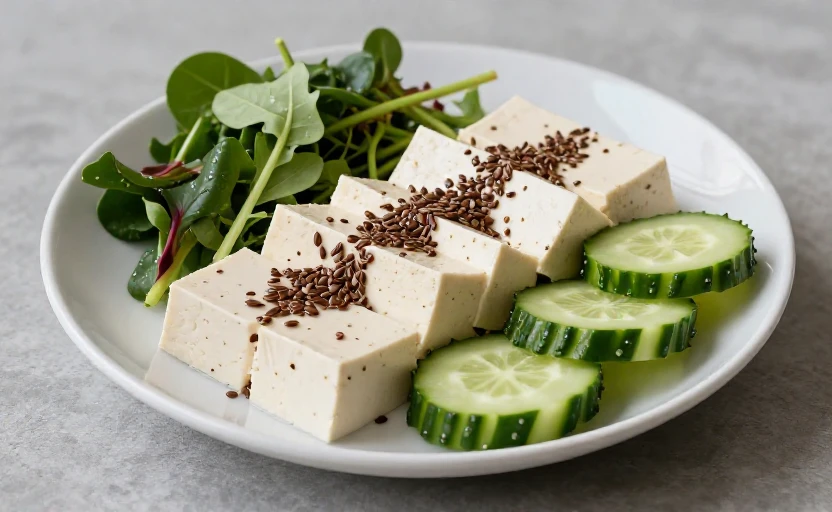
- Soy foods: Opt for minimally processed forms like edamame, tofu, tempeh, and unsweetened soy milk. These are rich in isoflavones, a type of phytoestrogen.
- Flaxseeds: A tablespoon of ground flaxseed daily is an excellent source of lignans (another phytoestrogen) and fiber. Sprinkle it on oatmeal, yogurt, or blend into smoothies.
- Legumes: Lentils, chickpeas, and other beans offer phytoestrogens along with protein and fiber.
- “Cooling” fruits and vegetables: Cucumber, watermelon, leafy greens, celery, and berries are often considered hydrating and cooling. They are also packed with antioxidants and water, which support overall health.
Think of this as building a nourishing plate. A lunch of a tofu and vegetable stir-fry over brown rice, for instance, combines phytoestrogens, complex carbs, fiber, and cooling veggies in one meal.
Making dietary changes can feel overwhelming, so start gently. Pick one of these three adjustments that feels most accessible to you and practice it for a couple of weeks. Notice if you feel any different. These strategies are not about perfection, but about cultivating awareness and giving your body the consistent, gentle support it needs during a time of transition. By focusing on balance, mindfulness, and nourishment, you can use your plate as one of many tools to find greater comfort and steadiness.