Your eyes are often the first place where high blood sugar leaves a quiet mark. Diabetic retinopathy is the most common diabetic eye disease and a leading cause of vision loss among adults. The tricky part? Early stages usually have no symptoms at all. By the time you notice something is off, damage may already be significant. Understanding what this condition is and recognizing its subtle early warning signs can make a real difference in preserving your sight.
This guide walks through what happens inside the eye, the distinct stages of retinopathy, and the specific visual changes that should prompt a call to your eye doctor. None of this replaces professional medical advice, but knowing what to look for helps you become an active partner in your own care.
What exactly is diabetic retinopathy?
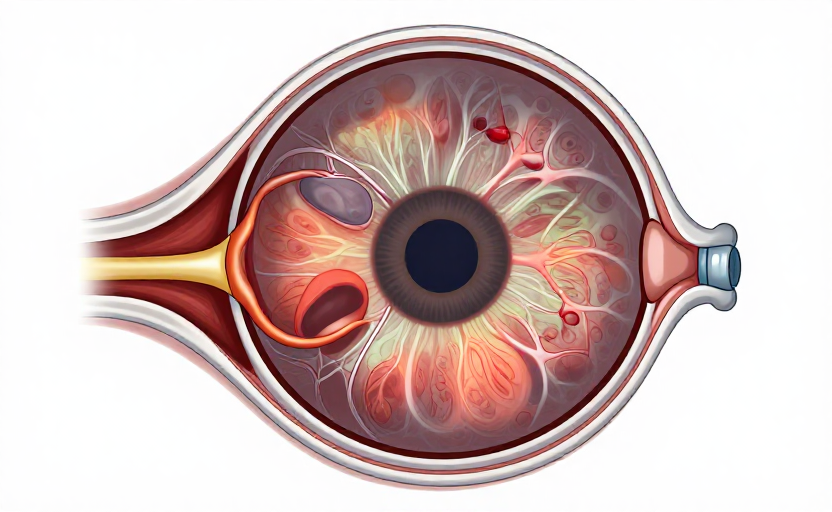
Think of the retina as the film in a camera. It lines the back of your eye and converts light into signals your brain interprets as images. When you have diabetes, consistently high blood glucose levels can weaken and damage the tiny blood vessels that nourish the retina. These vessels may begin to leak fluid or blood, swell, or close off entirely. In response, the eye sometimes grows new, fragile blood vessels on the retina's surface—vessels that are prone to bleeding and scarring.
This process is diabetic retinopathy. It is not an infection or a sudden event like a stroke; it is a slowly progressive condition linked directly to how well (or how poorly) blood sugar is managed over time. Both type 1 and type 2 diabetes increase your risk, especially the longer you have lived with the disease.
Two stages you need to know
Diabetic retinopathy is classified into two main stages. Knowing them helps you understand why early detection matters so much.
Non-proliferative diabetic retinopathy (NPDR)
This is the early stage. The blood vessels in the retina weaken and develop tiny bulges called microaneurysms. They may leak small amounts of fluid and blood into the surrounding tissue. This can cause the retina to swell—a condition called macular edema, which is a common reason for vision loss in people with NPDR. At this stage, many people have no noticeable vision problems. The changes are visible only during a dilated eye exam.
Proliferative diabetic retinopathy (PDR)
This is the advanced stage. The retina begins to starve for oxygen because so many blood vessels have closed off. The eye responds by growing new, abnormal blood vessels along the retina and into the vitreous gel that fills the eye. These vessels are fragile and can bleed easily, causing sudden dark spots, floaters, or even vision loss. Scar tissue from these vessels can also tug on the retina, leading to a retinal detachment—a medical emergency.
Key insight: Moving from NPDR to PDR can happen without clear warning. That is why routine eye exams are not optional for anyone with diabetes.
Early warning signs that matter
Many people assume vision problems announce themselves loudly, but diabetic retinopathy often whispers first. Here are the specific changes to pay attention to:
- Blurry or fluctuating vision: High blood sugar can cause the lens of the eye to swell, which changes your focus. If your vision seems clearer some days and blurry others, do not dismiss it as fatigue or allergies.
- Dark spots or floaters: If you see spots that drift across your field of vision like small cobwebs or specks, that can indicate bleeding inside the eye from fragile vessels.
- Difficulty with night vision: Struggling more than usual to see in dim light or adjusting slowly when entering a dark room is a common early sign.
- Empty or dark areas in your vision: A shadow or curtain effect in part of your visual field is serious and requires immediate medical attention.
- Colors appear faded or washed out: Some people notice that colors are not as vibrant as they used to be, which can point to retinal changes.
None of these symptoms are exclusive to diabetic retinopathy, but in someone with diabetes, they should never be ignored. The absence of symptoms does not mean the retina is healthy.
Why warning signs matter more than you think
The stakes are high. Diabetic retinopathy is the leading cause of blindness among working-age adults in the United States. What makes this statistic especially frustrating is that much of the vision loss is preventable with early detection and treatment. Laser treatments, injections, and vitrectomy procedures have advanced significantly. They work best when retinopathy is caught before it reaches a crisis point.
Routine dilated eye exams are the single best way to catch changes before you notice symptoms. The American Diabetes Association recommends that people with type 2 diabetes have their first eye exam shortly after diagnosis, and those with type 1 within five years of onset. After that, annual exams are standard—though your doctor may recommend more frequent checks if there are already signs of retinopathy.
Managing risk beyond the eye exam
While the focus here is on warning signs, it helps to remember the bigger picture. Keeping blood glucose levels in a healthy range is the most powerful step you can take to slow or prevent retinopathy from worsening. Blood pressure and cholesterol control also play a major role because they affect the same blood vessels that serve your retina.
Lifestyle measures like regular physical activity, a balanced diet, and not smoking all contribute to healthier blood vessels. But none of these habits replaces the need for professional eye care. Think of the two as complementary lines of defense.
When to seek help immediately
Some vision changes need urgent care. Go to an emergency room or call your eye doctor right away if you experience:
- A sudden shower of new floaters, especially if accompanied by flashes of light
- A dark curtain or shadow covering part of your vision
- Sudden, significant loss of vision in one or both eyes
These symptoms can signal retinal detachment or a major vitreous hemorrhage, both of which require prompt intervention to prevent permanent vision loss.
Knowing the warning signs is not about worrying yourself needlessly. It is about staying alert so you can act early—when treatment is simplest and most effective. Your eyes are worth that attention.