For a person living with diabetes, a small blister or a minor cut on the foot can quickly become a serious problem. High blood sugar levels can damage the nerves in your feet (peripheral neuropathy) and reduce blood flow to the lower extremities. This combination means you might not feel a developing sore, and once a wound appears, healing is slow. This is why consistent, daily foot care is one of the most important steps you can take to prevent severe infections, ulcers, and even amputation.
Understanding how diabetes affects your feet is the first step toward staying safe. It is not about being scared—it is about being proactive. With the right daily routine and knowledge of what to look for, you can keep your feet healthy and avoid the most serious complications.
Why are feet so vulnerable to diabetes?
High blood glucose causes two primary changes that put feet at risk. First, it damages the tiny blood vessels, particularly in the eyes, kidneys, and extremities. This is called microvascular disease. When circulation to the foot is reduced, even a small cut lacks the oxygen and nutrients needed to heal. Second, prolonged high glucose damages nerve fibers. This nerve damage, or neuropathy, typically starts in the longest nerves—those going to your toes. It can cause numbness, tingling, burning, or a complete loss of sensation. If you cannot feel pain, you might walk around with a pebble in your shoe for hours, or fail to notice a blister forming. By the time you see the damage, an infection may have already set in.
Your daily foot inspection: the non-negotiable habit
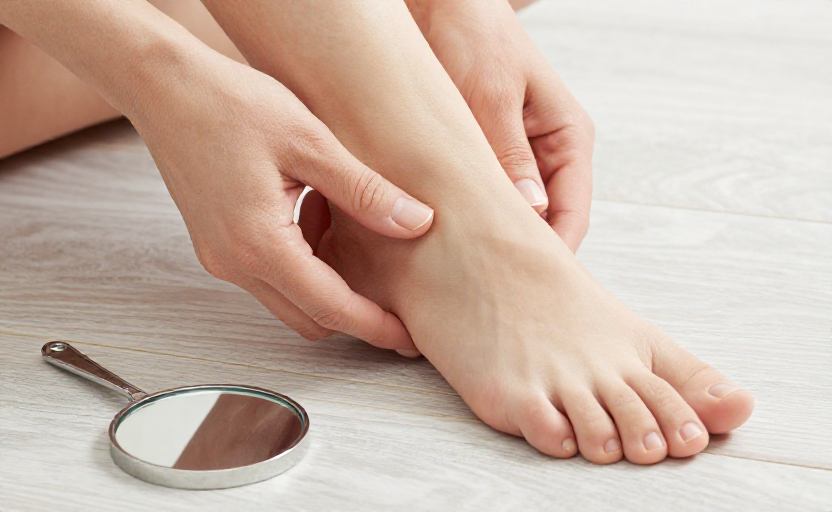
The single most effective tool you have is a daily visual inspection. Because you may not feel a problem, you have to look for it. Pick a time—perhaps right after you bathe or before you put on socks—and make it a part of your routine. Here is exactly what to check:
- Look at the tops, bottoms, and between every toe. Use a mirror on the floor if you cannot see the soles of your feet easily.
- Check the color. Is your foot redder than the other? Is it pale or bluish? These can signal circulation issues.
- Feel for temperature changes. A warm spot on the foot can mean inflammation or early infection.
- Look for breaks in the skin. This includes cuts, scrapes, blisters, cracks (especially around the heels), and red spots that suggest pressure from a shoe.
- Check for swelling. Unexplained swelling in one foot can be a sign of a sprain, a blood clot, or an infection.
If you see anything new—a blister, a cut that is not healing after a day or two, or any sign of redness spreading—do not wait. Call your healthcare provider or a podiatrist immediately.
Washing and moisturizing: simple steps with big impact
Keeping your feet clean reduces the risk of infection. Wash them daily in warm—not hot—water. Test the water temperature with your elbow or a thermometer (aim for about 90–95°F). Do not soak your feet for a long time, as that can dry out the skin, and never use a heating pad or hot water bottle on your feet if you have numbness. After washing, dry them gently but thoroughly, especially between the toes, where moisture can lead to fungal infections.
Once dry, apply a moisturizing lotion or cream to the tops and bottoms of your feet. This helps prevent dry, cracked skin—a common entry point for bacteria. However, do not put lotion between your toes. The skin there is thin, and extra moisture can encourage athlete's foot and other maceration issues. If you are managing calluses, use a pumice stone gently after a bath, and apply a rich urea-based cream recommended by your doctor for the heels.
Choosing and wearing the right footwear
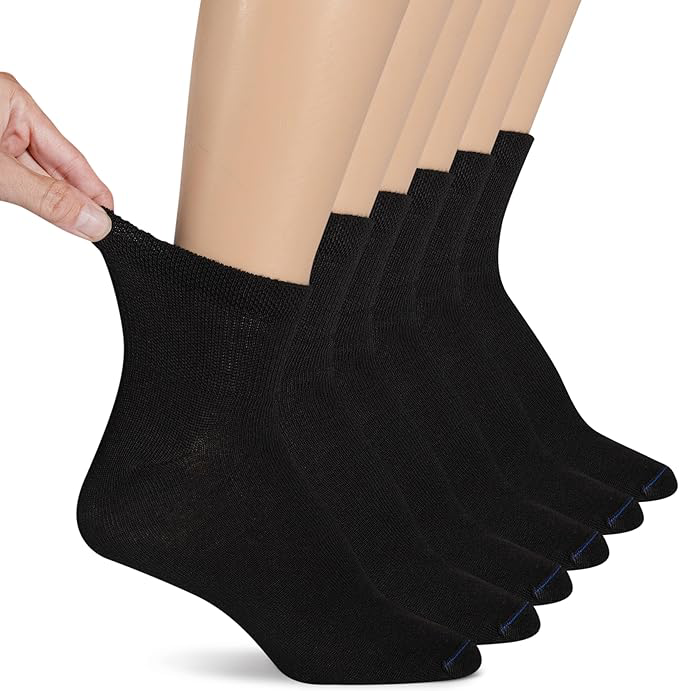
Poorly fitting shoes are the most common cause of diabetic foot ulcers. Your daily shoes should be comfortable from the moment you put them on—never buy a shoe expecting to "break it in." Look for a shoe with a wide, deep toe box so your toes are not squeezed. The interior should be smooth, with no rough seams or stitching that can rub. Always wear clean, dry socks made of moisture-wicking material like merino wool or a synthetic blend; avoid thick seams in the toe area. For maximum protection, ask about prescription diabetic shoes, which are designed to reduce pressure points and are often covered by insurance. Never walk barefoot, even inside your own home. You might step on a tack or a small piece of glass and not feel it.
Common warning signs you should never ignore
Pain is a signal. But with neuropathy, the absence of pain can be dangerous. You need to watch for other signals. Contact your doctor or a podiatrist if you notice any of the following:
- Any open sore or wound that has not healed after 48 hours.
- Redness, warmth, or swelling around a cut or between the toes.
- Drainage, pus, or a foul odor from a wound.
- A sudden change in the shape of your foot (such as the arch collapsing).
- Black or darkened skin on any part of the foot (this is a sign of tissue death).
These signs are urgent. Prompt treatment—often with antibiotics, specialized wound care, or offloading the foot (keeping weight off it)—can prevent a minor issue from becoming a major crisis.
The bottom line on diabetic foot care
Diabetic foot care is a set of simple, repeatable habits that directly prevent disability. The three pillars are: daily inspection, proper cleanliness and moisture management, and consistent protection with well-fitting footwear. Pair this with good blood glucose control (working with your healthcare team to keep your A1c in a healthy range) and annual professional foot exams by a podiatrist. Your feet carry you through life—take care of them, and they will take care of you.