Oily skin can feel like a constant balancing act. You might want to stop shine before lunch, but harsh cleansers and alcohol-heavy toners can trigger rebound oil production, leaving you greasier than before—or flaky and irritated. The real goal is not to strip your skin, but to regulate it. Dermatologists agree: you can reduce excess sebum and keep your skin barrier intact. Here is a straightforward, expert-approved routine that targets oil without causing dryness.
Start with a gentle, foaming cleanser
The first instinct for oily skin is to scrub hard with a strong cleanser. That often backfires. When you remove too much oil, your skin's barrier becomes compromised, and glands ramp up oil production to compensate. Instead, look for a mild foaming or gel cleanser that contains salicylic acid or niacinamide. Salicylic acid (beta hydroxy acid) penetrates pores to clear excess oil and prevent breakouts. Niacinamide helps control sebum without stripping. Wash once in the morning and once at night. Avoid scrubbing; use lukewarm water and your fingertips.
A tip from dermatologists: If your skin feels tight or squeaky after cleansing, you are using a formula that is too harsh. Switch to a gentler option.
Use a targeted toner or essence
Toners are back—but not the astringent types with high alcohol content. Choose an alcohol-free toner with ingredients like witch hazel (distilled, not alcohol-based), green tea, or salicylic acid. These help refine pores and remove leftover traces of oil without drying. Apply with a cotton pad or press in with your hands. If your skin is sensitive, skip the pad to reduce friction.
Hydrate with a lightweight, oil-free moisturizer
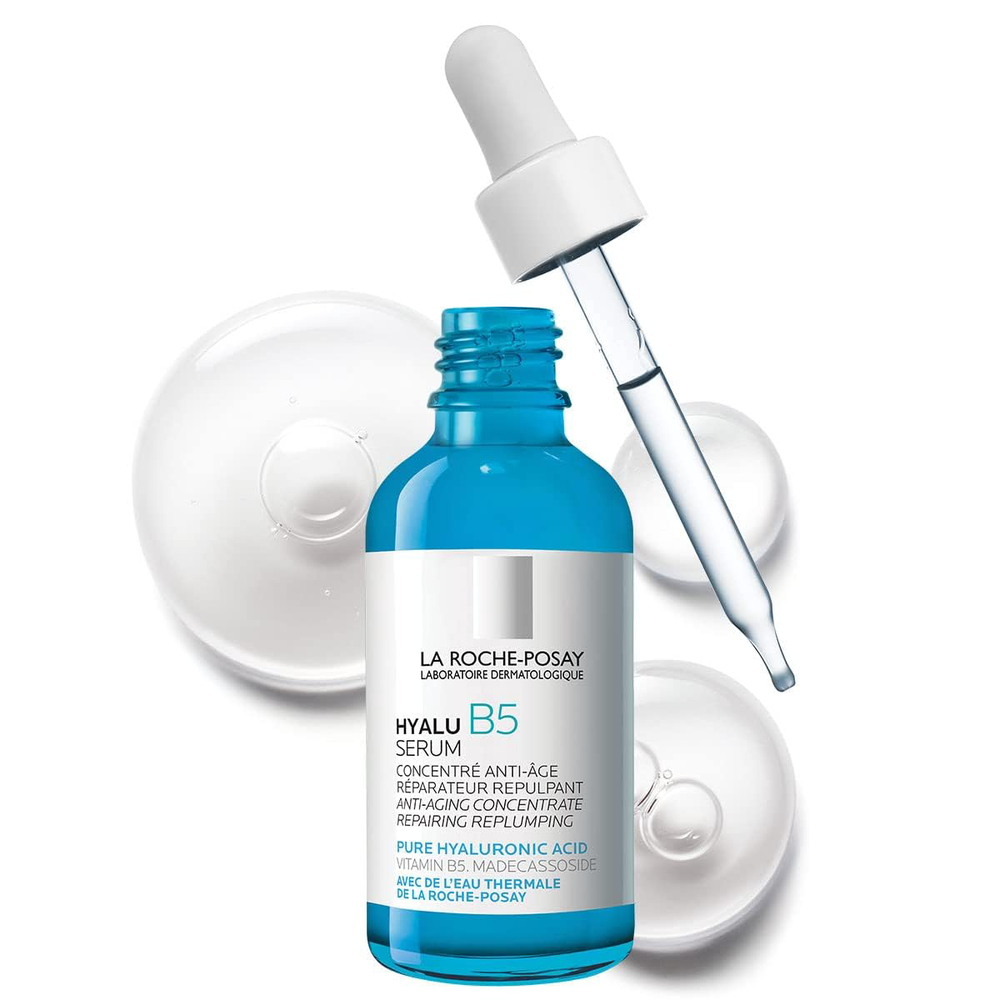
Many people with oily skin skip moisturizer, fearing it will cause breakouts. That is a mistake. Dehydrated skin produces more oil to compensate. The trick is to choose the right texture. Look for gel, gel-cream, or water-based moisturizers labeled "oil-free" and "non-comedogenic." Key ingredients include hyaluronic acid, glycerin, and ceramides. These hydrate without adding grease. Apply to damp skin after cleansing or toning to lock in moisture.
Incorporate a niacinamide serum
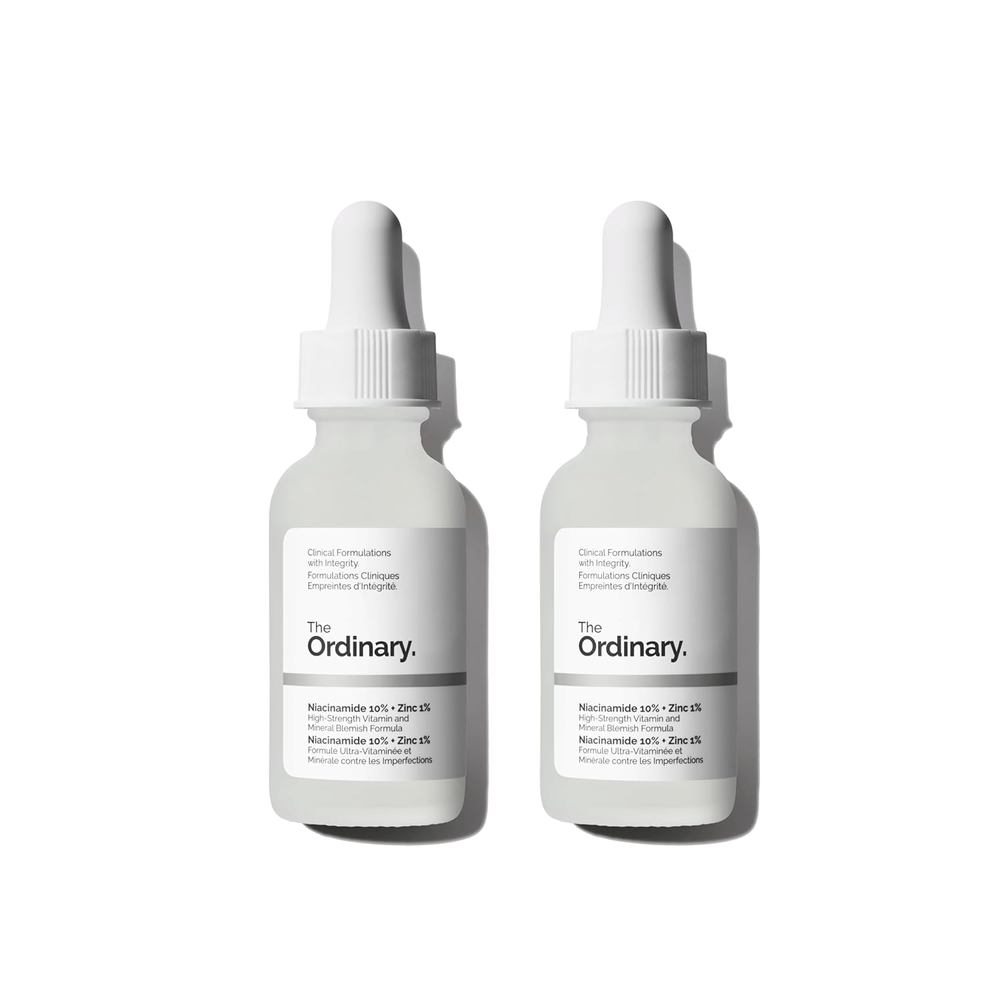
Niacinamide (vitamin B3) is a multitasker that reduces sebum production, improves texture, and calms inflammation. A daily serum with 2–5% niacinamide is effective for most skin types. Apply after cleansing and before moisturizer. It pairs well with most other ingredients, including salicylic acid and retinoids.
Retinoids for oil control and pore clarity
If you are not pregnant or nursing, and your skin tolerates it, a gentle retinoid (like adapalene gel or a low-concentration retinol) can normalize skin cell turnover and reduce clogged pores. Start slowly—once every three nights—and always use sunscreen in the morning. Retinoids can cause dryness initially, so pair them with a good moisturizer. Over-the-counter adapalene is widely available for acne-prone skin.
Don't forget sunscreen—every day
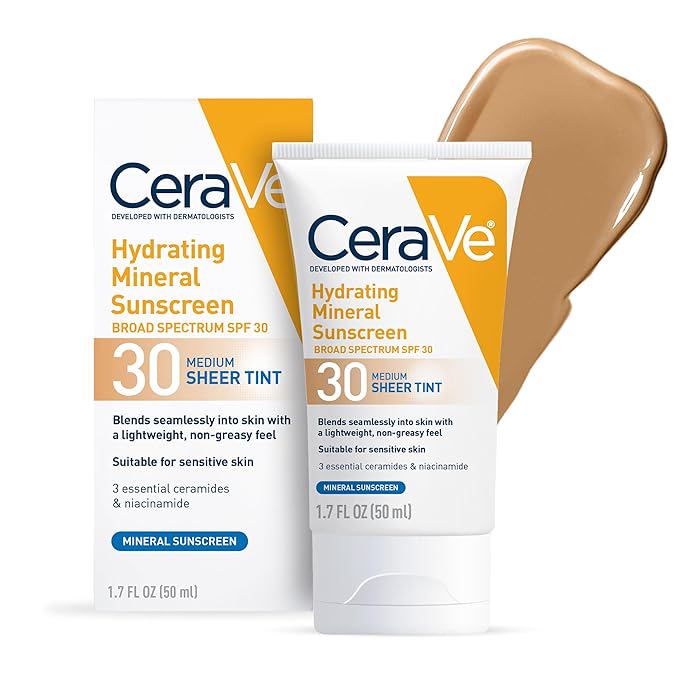
Sunscreen is non-negotiable, even for oily skin. Many people skip it because they dislike the greasy feel. Look for "mattifying," "oil-free," or "gel-based" sunscreens with SPF 30 or higher. Mineral sunscreens with zinc oxide or titanium dioxide can also help absorb oil. Apply a generous amount as your last step in the morning. It prevents sun damage, which can worsen oiliness and signs of aging.
Exfoliate wisely—not too often
Exfoliation helps keep pores clear and reduces dullness. But overdoing it strips the barrier and causes irritation. Stick to chemical exfoliants like salicylic acid or lactic acid 2–3 times per week. Physical scrubs with rough particles can cause micro-tears and inflame oily skin. If you use a retinoid, you may need to reduce exfoliation frequency.
One more thing: blotting papers and mattifying primers
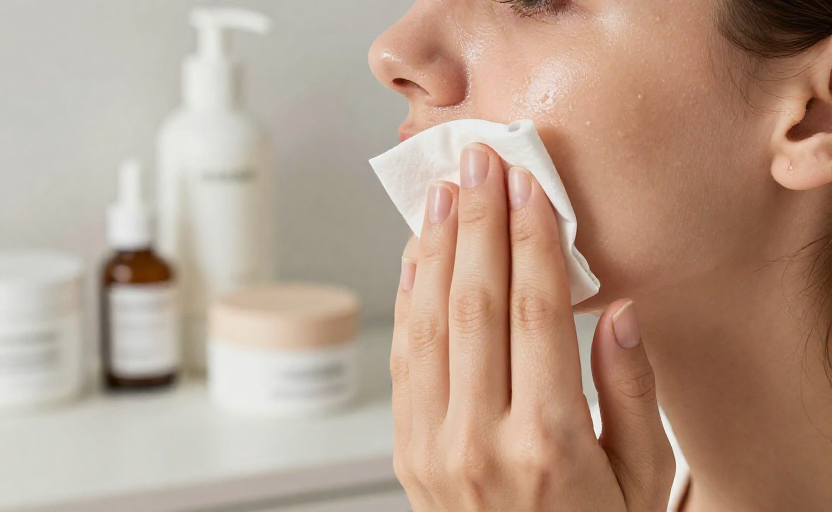
Throughout the day, absorb excess shine with blotting papers—gently press, don't rub. They remove oil without disturbing makeup or skin. For immediate shine control under makeup, a silicone-based mattifying primer can help blur pores and reduce midday grease. These are cosmetic, not treatment, but they make the routine easier to stick with.
FAQs about oily skin care
Q: How often should I wash my face if I have oily skin?
Wash twice a day—morning and night. Over-washing can dry out skin and trigger more oil. If you feel greasy midday, use blotting papers rather than washing again.
Q: Can oily skin go away with age?
Many people see a decrease in sebum production as they age, especially after 30. But it is not guaranteed. Good skincare habits can help manage oil at any age without stripping the barrier.
Q: Is it okay to use oil-based products on oily skin?
Yes, if they are non-comedogenic and balanced for oily skin. Oils like jojoba, squalane, and grapeseed are close to skin's natural sebum and can help signal your glands to produce less. Test a patch first.
Q: Do I need a separate night cream for oily skin?
Not necessarily. A lightweight gel or lotion moisturizer is fine for both day and night. If you use a retinoid at night, you may want a slightly richer moisturizer to buffer any dryness, but still avoid heavy creams.