Adult acne doesn't always play by the same rules as teenage breakouts. By your 20s, 30s, and beyond, the skin's barrier can be thinner, more sensitive, and slower to heal—yet many of us still reach for the harsh, stripping products that worked in high school. The result? Redness, irritation, and often more breakouts. Building a routine for acne-prone adult skin means finding a different balance: effective enough to keep pores clear, gentle enough to protect a maturing barrier.
Below is a dermatologist-informed framework for creating a sustainable, non-irritating regimen that targets adult acne without compromising skin health.
Why adult acne skin needs a different approach
The root causes of breakouts as an adult shift slightly. Hormonal fluctuations—particularly around the menstrual cycle, pregnancy, or perimenopause—play a larger role. Stress and environmental damage also add up. At the same time, natural collagen production declines and cell turnover slows, meaning skin is less forgiving of aggressive exfoliation or drying ingredients.
The goal with a gentle routine isn't to nuke every pimple into submission, but to create conditions where breakouts become less frequent and less inflamed. This means choosing products that support the barrier while delivering targeted acne-fighting ingredients in low enough concentrations to avoid over-drying.
The core steps: minimalism with purpose
A gentle routine for acne-prone adult skin can be surprisingly simple. Start with these steps, then layer in targeted treatments only as needed.
1. A non-stripping cleanser
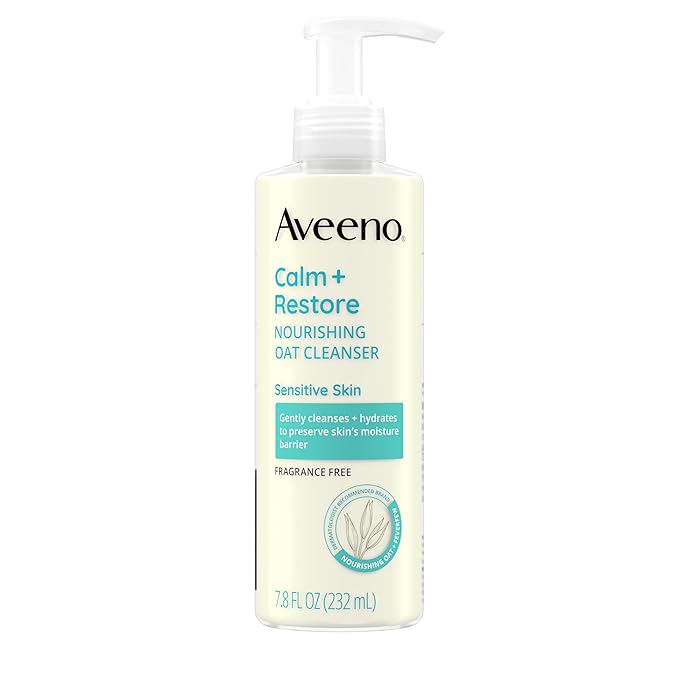
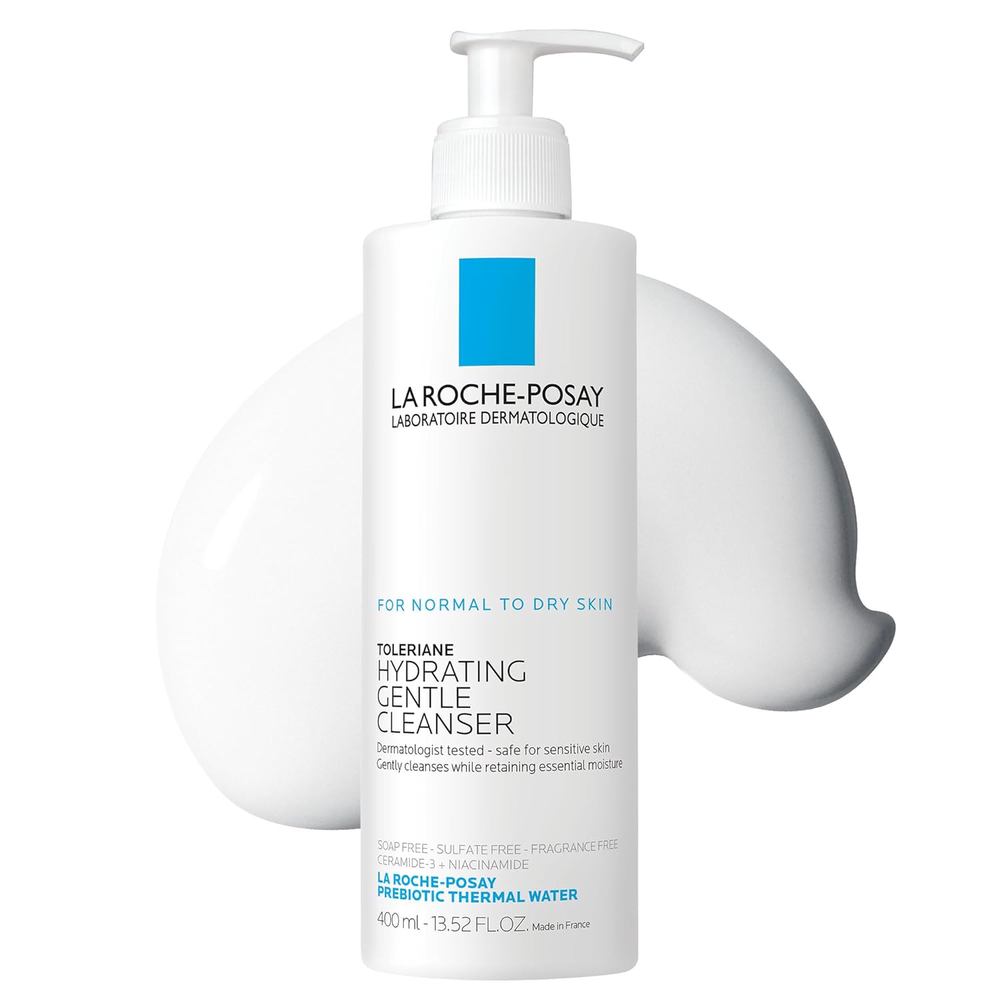
Sulfate-free gel or cream cleansers are a good starting point. Look for options containing salicylic acid (typically 0.5–2%) or benzoyl peroxide (at 2.5–4%) if your skin tolerates them—but avoid using a medicated cleanser every single wash if you feel tightness afterward. Many adults benefit from a gentle, milky cleanser in the morning and a low-dose medicated one at night.
Key signs your cleanser is too harsh: your face feels dry, tight, or stingy within a minute of washing. If so, switch to something non-foaming and hydrating.
2. A lightweight moisturizer
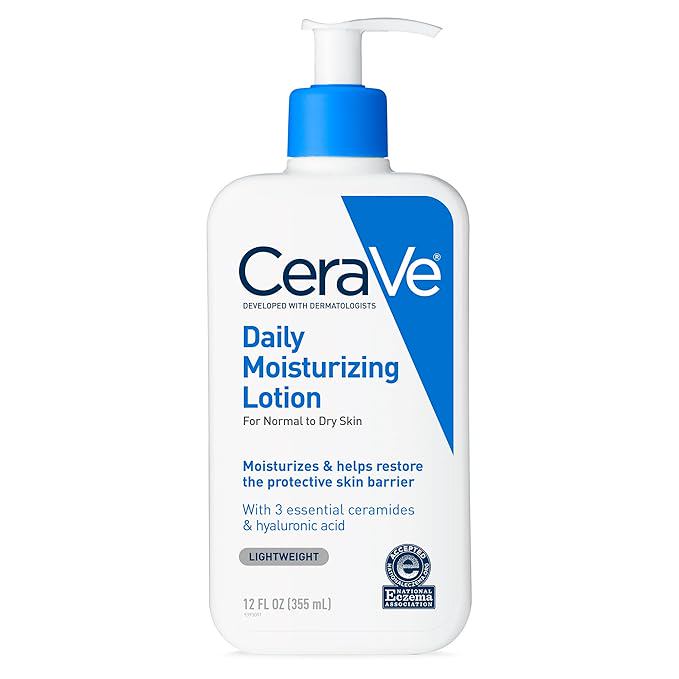
Hydration helps calm the inflammation that drives acne. Skipping moisturizer—a common mistake—often triggers the skin to produce more oil, worsening breakouts. Look for oil-free, non-comedogenic formulas containing ceramides, niacinamide, or hyaluronic acid. Gel-creams or lotions are typically well tolerated; avoid thick creams that could feel heavy.
3. A non-comedogenic sunscreen (morning)
Many acne treatments increase sun sensitivity, and unprotected sun exposure can darken post-acne marks (hyperpigmentation). Choose a sunscreen with at least SPF 30 that doesn't feel greasy. Mineral sunscreens containing zinc oxide or titanium dioxide are often good choices for sensitive acne-prone skin. If you prefer a chemical option, look for one labeled oil-free.
A simple rule: if a product leaves your face shiny within an hour, it may be too heavy for acne-prone skin. Try a matte or powder formulation instead.
When to add active ingredients
Once your baseline routine (cleanser, moisturizer, sunscreen) is comfortable and consistent, you can consider adding an active ingredient to target breakouts more directly. With adult skin, less is often more.
Retinoids: the gold standard
Retinoids (such as adapalene 0.1% gel, now available over the counter) help normalize skin cell turnover and reduce clogged pores. However, they can be drying and irritating if started too aggressively.
- Start by applying a pea-sized amount two nights per week, on dry skin, after your moisturizer (a technique called "sandwiching").
- Gradually increase frequency over several weeks as your skin adjusts.
- Always pair with sunscreen the next morning—retinoids increase UV sensitivity.
Azelaic acid
This ingredient is particularly helpful for adult acne with redness or post-inflammatory hyperpigmentation. It's generally well-tolerated and can be used in the morning or evening. Look for products with 10% concentration. Azelaic acid also has anti-inflammatory properties, making it a good choice for sensitive skin types that cannot tolerate benzoyl peroxide or retinoids.
Benzoyl peroxide (low concentration)
A 2.5% benzoyl peroxide spot treatment can be applied directly to active pimples. Higher concentrations (5-10%) are not more effective and cause significantly more irritation. Use it only on breakouts, not all over, to minimize dryness.
Salicylic acid (low concentration)
A 0.5–1% salicylic acid serum or toner can help exfoliate inside pores. If you also use a retinoid, do not use salicylic acid at the same time—alternate nights to avoid over-exfoliating. Watch for signs of barrier damage: stinging, peeling, or tightness.
What to avoid in a gentle routine
Several common ingredients and habits can sabotage a gentle approach to acne-prone adult skin.
- Alcohol denat. (high in many toners and astringents): Strip skin and worsen inflammation.
- Physical scrubs with large, jagged particles (like walnut shells): They cause micro-tears and irritate active breakouts.
- Fragrance and essential oils: Common allergens that can provoke redness or contact dermatitis in sensitive adult skin.
- Over-washing or double-washing without need: Stripping natural oils can trigger rebound oiliness.
- Multiple active ingredients used together: For example, combining a high-strength retinoid with benzoyl peroxide and glycolic acid is almost certain to cause irritation.
If you are unsure about a product, patch test a small amount behind your ear or along your jawline for 3–5 days before applying it to your whole face.
Common mistakes specific to adult acne
Even with the right products, habits can undermine progress. Below are patterns dermatologists see frequently among adults with acne.
- Using too many products. Sticking to 4–5 core products—cleanse, moisturize, protect, treat—provides clear feedback on what is working. Each addition confuses the picture.
- Expecting overnight results. Most acne treatments take 6–12 weeks to show meaningful improvement. Switching products every week interrupts any potential benefit.
- Skipping moisturizer because skin is oily. As mentioned, this often backfires. Hydrated skin is less reactive and less prone to producing excess oil.
- Picking or popping pimples. In adult skin, picking can easily lead to persistent dark marks or even scarring that lasts months. Cover a pimple with a hydrocolloid patch instead.
Putting it all together: a sample routine template
Remember, this is just one possible arrangement. Your ideal routine may differ based on your skin's tolerance levels, and you should always modify according to your individual needs.
Morning:
Gentle cleanser (non-medicated, or with low salicylic acid if you tolerate it) → Azelaic acid serum (if using, after cleansing) → Lightweight moisturizer → Sunscreen SPF 30+.
Evening:
Medicated cleanser (e.g., with 2.5% benzoyl peroxide, or gentle non-medicated) → Retinoid (2–3 nights per week, after moisturizer) → Moisturizer.
On nights you do not use a retinoid, you could substitute a salicylic acid toner or a hydrating serum (like niacinamide or hyaluronic acid). Listen to your skin: if you feel stinging, stop the newest product and revert to a simpler routine until sensitivity resolves.
Building a gentle acne routine as an adult requires patience and a willingness to hydrate. The most effective routine is the one you can stick with consistently—not the one that sounds strongest on paper. If over-the-counter options do not provide improvement after 12 weeks, consider consulting a board-certified dermatologist for prescription-strength options like topical antibiotics, spironolactone, or birth control pills (in women), which can be added safely to a gentle baseline.