For many, period cramps are a monthly reality, a dull ache or sharp pain that settles in the lower abdomen. While some discomfort is a normal part of the menstrual cycle for most, its intensity can vary dramatically from person to person. What you might not realize is that your everyday choices—the coffee you drink, the snacks you reach for, even how you manage stress—can directly influence that pain. By understanding which common habits can amplify cramps, you can make simple, mindful adjustments to support your body during this time.
The primary culprit behind menstrual cramps is a group of hormone-like lipids called prostaglandins. These chemicals are released by the uterine lining to help the uterus contract and shed its lining. Higher levels of prostaglandins are associated with stronger, more painful contractions and increased inflammation. Many daily habits can inadvertently boost prostaglandin production or heighten the body's sensitivity to pain, turning manageable discomfort into a debilitating experience.
Dietary Choices That Can Intensify Cramps
What you eat and drink in the days leading up to and during your period plays a significant role in inflammation and muscle contraction.
High-Sodium Foods
Reaching for salty chips, processed snacks, or canned soups can lead to water retention and bloating. This excess fluid buildup increases pressure in the abdomen, which can make existing cramping feel more pronounced and uncomfortable.
Tip: Focus on whole, unprocessed foods and flavor meals with herbs and spices instead of salt.
Refined Sugars and Carbohydrates
That afternoon candy bar or sugary pastry might offer a quick mood lift, but it's often followed by a crash. These foods can cause rapid spikes and drops in blood sugar, which may worsen mood swings and fatigue. More importantly, they promote inflammation in the body, potentially exacerbating cramp-related pain.
Caffeine
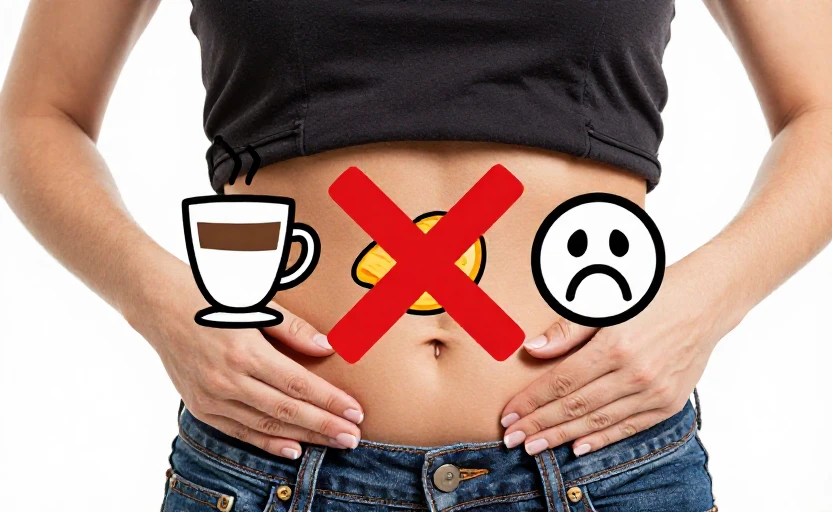
Your daily coffee, black tea, or energy drink is a vasoconstrictor, meaning it narrows blood vessels. This can reduce blood flow to the uterus and increase tension in the muscles, potentially leading to more intense cramping. Caffeine can also contribute to dehydration and disrupt sleep, both of which can lower your pain threshold.
Alcohol
While it might seem relaxing, alcohol is a diuretic that promotes dehydration. It can also disrupt hormone metabolism and liver function, which may interfere with the body's natural processes for clearing excess hormones and inflammatory compounds like prostaglandins.
Lifestyle and Activity Patterns
How you move (or don't move) and manage daily stress creates a backdrop that either soothes or stirs up menstrual discomfort.
Sedentary Behavior
When cramps strike, curling up on the couch feels like the only option. However, prolonged inactivity can reduce circulation and cause muscles to stiffen. Gentle movement is often more effective for relieving pain than complete rest.
Poor Sleep Habits
Skimping on sleep or having an irregular sleep schedule lowers your body's resilience to pain. Fatigue amplifies the perception of discomfort and impairs your body's natural anti-inflammatory and repair processes. Prioritizing rest is a direct form of pain management.
High-Stress Living
Chronic stress keeps your body in a heightened state of alert, increasing the production of cortisol and other stress hormones. This state can worsen inflammation and make muscles, including those in the uterus, more prone to tension and painful spasms.
Stress management isn't a luxury; it's a foundational part of managing cyclical pain.
Smoking
Nicotine is a powerful vasoconstrictor, significantly reducing blood flow and oxygen delivery to tissues, including the uterus. This deprivation can make muscle contractions during menstruation more painful.
Supporting Your Body During Your Period
Knowing what to avoid is half the battle. The other half is leaning into supportive practices. This doesn't require a complete lifestyle overhaul, but rather thoughtful swaps and additions.
- Hydrate wisely: Swap caffeinated or sugary drinks for water, herbal teas, or infused water. Proper hydration helps reduce bloating and supports overall cellular function.
- Choose anti-inflammatory foods: Incorporate foods rich in omega-3 fatty acids (like salmon, walnuts, flaxseeds), magnesium (leafy greens, nuts, dark chocolate), and antioxidants (berries, colorful vegetables).
- Move gently: Try a brisk walk, gentle yoga, or stretching. Movement boosts endorphins (natural pain relievers) and improves blood flow to ease muscle tension.
- Apply warmth: A heating pad or hot water bottle placed on your lower abdomen can work wonders by relaxing the uterine muscles and improving circulation.
- Prioritize rest: Listen to your body's need for extra sleep and don't hesitate to slow down. Creating a calm evening routine can improve sleep quality.
It's important to remember that severe, debilitating pain that disrupts your daily life is not something you simply have to endure. If your cramps are consistently severe, accompanied by very heavy bleeding, or don't respond to basic lifestyle measures, it's essential to consult a healthcare provider. They can help rule out underlying conditions like endometriosis or fibroids and discuss further management options.
By tuning into how your daily habits interact with your cycle, you gain a powerful form of self-knowledge. Small, consistent changes can create a noticeable shift, helping you move through your period with greater ease and comfort.