Waking up drenched and chilled is a common, frustrating reality for many navigating menopause. While night sweats are primarily driven by hormonal shifts, the choices we make throughout the day can turn the thermostat up or down. Understanding these subtle triggers isn't about assigning blame—it's about discovering practical, gentle levers you can pull to reclaim a more comfortable night.
Think of it as tending to your internal climate. Some habits directly stoke the body's heat production, while others disrupt the delicate systems that regulate temperature during sleep. By making a few mindful swaps, you can create conditions that support your body, rather than working against it.
What daily routines might be making my night sweats more intense?
Our bodies are not separate from our daily rhythms. The food, drink, stress, and even the timing of our activities send constant signals to our nervous system. For a body already sensitive to temperature fluctuations due to changing estrogen levels, these signals can be the difference between a peaceful sleep and a sweaty awakening.
Evening Eating and Drinking Patterns
What you consume in the hours before bed plays a significant role. Spicy foods contain compounds like capsaicin that can temporarily raise your core body temperature and stimulate circulation, mimicking a hot flash. A large, heavy meal close to bedtime demands significant digestive effort, which also generates metabolic heat right when you're trying to wind down.
Alcohol and caffeine are two of the most common culprits. Alcohol may help you fall asleep initially, but as your body metabolizes it, it causes blood vessels to dilate, creating a surge of warmth. Caffeine is a stimulant that can linger in your system for hours, potentially increasing heart rate and alertness—and yes, body heat—long after your last sip.
Aim to finish larger meals and spicy dishes at least three hours before bed, and consider a lighter evening snack if needed.
The Stress and Sleep Connection
Chronic stress keeps your body in a state of high alert, with elevated levels of cortisol and adrenaline. This state of heightened arousal can make your temperature regulation more volatile and disrupt the natural cooling process that should occur as you sleep. An anxious mind at bedtime often leads to a warmer, more restless body.
Exercise Timing
Regular exercise is profoundly beneficial for managing menopause symptoms and improving sleep quality overall. However, the timing matters. A vigorous workout too close to bedtime raises your core temperature significantly, and it can take several hours for the body to cool down fully. That elevated internal heat can collide with your sleep cycle, triggering a sweat.
What can I do instead to support a cooler night?
The goal here is gentle adjustment, not overhaul. Small, consistent shifts in your daily routine can build up to create a noticeably more comfortable sleep environment.
Reframe Your Evening Nourishment
Focus on lighter, easier-to-digest foods in the evening. If you enjoy spicy cuisine, have it for lunch instead. For an evening snack, consider options like a small bowl of yogurt, a banana, or a handful of almonds. These are less likely to stoke your metabolic furnace.
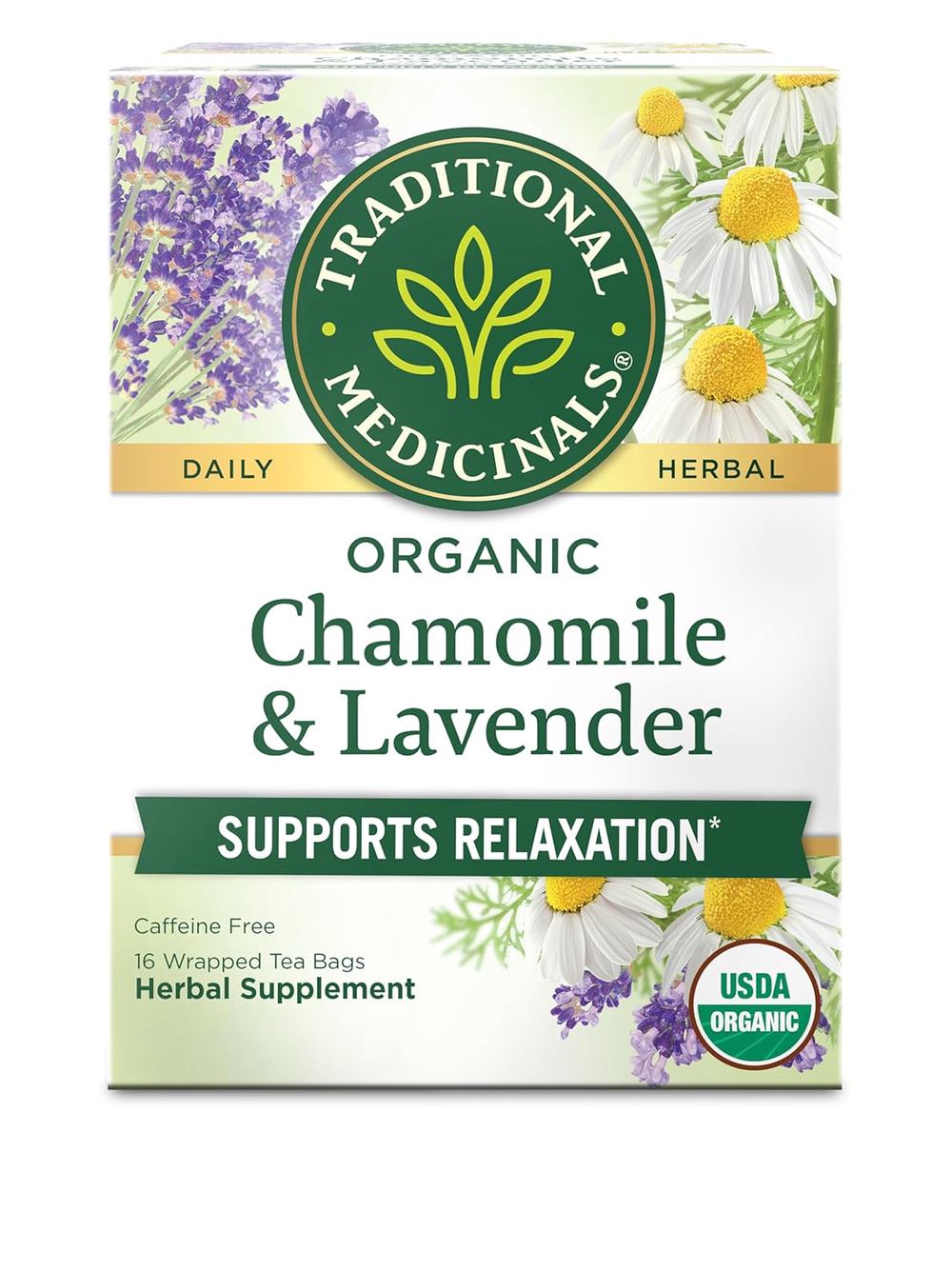
Become a hydration strategist. Drink plenty of water throughout the day, but taper off an hour or two before bed to minimize nighttime bathroom trips. Swap evening caffeine or alcohol for calming herbal teas like chamomile or lemon balm. If you do have a drink, make it a single one, and have it with dinner, not right before bed.
Create a Cooling Bedtime Ritual
This is about actively signaling to your body that it's time to cool down and rest. A lukewarm or slightly cool shower or bath about an hour before bed can help lower your core temperature. Follow this with gentle, non-stimulating activities like reading a book (not on a bright screen) or listening to calm music.
Practice a few minutes of deep, diaphragmatic breathing or a simple meditation. This directly counters the stress response and activates the parasympathetic nervous system, which promotes relaxation and cooling.
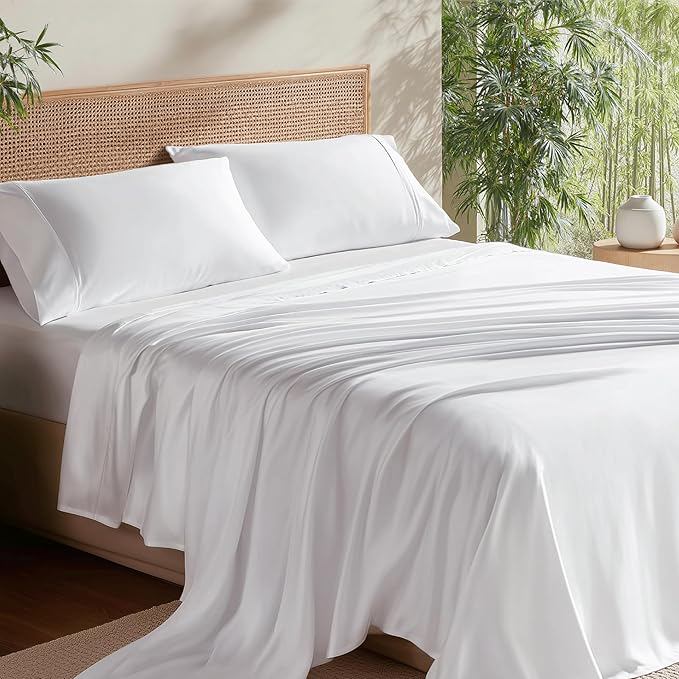
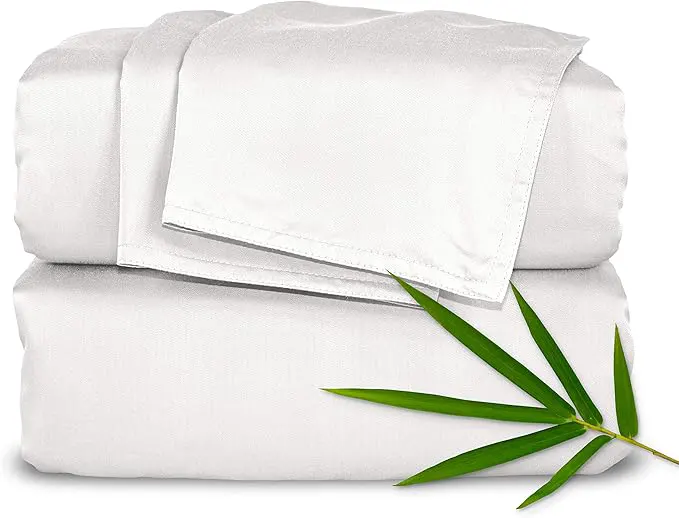
- Layer your bedding: Use moisture-wicking cotton or bamboo sheets and multiple light layers of blankets you can easily push off.
- Cool your pulse points: Keep a damp cloth or a cooling gel pad on your nightstand to place on your wrists or neck if you feel a flush coming on.
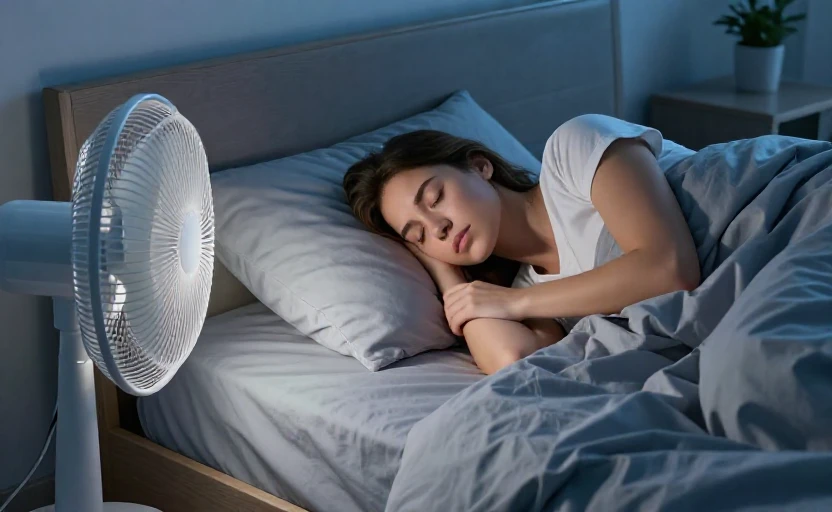
- Optimize your room: Use a fan for air circulation and keep your bedroom temperature on the cooler side, ideally between 60-67°F (15-19°C).
Time Your Exercise Wisely
Keep moving! But try to schedule more intense workouts for the morning or afternoon. If evening is your only option, opt for gentler, cooling practices like restorative yoga, stretching, or a leisurely walk. These activities promote relaxation without spiking your core temperature.
Navigating night sweats is a deeply personal experience. What triggers one person may not affect another. The most powerful tool you have is mindful observation. Keep a simple log for a week: note your food, drink, stress levels, and exercise, and see if you can spot patterns linked to your worst nights. This isn't about creating a rigid list of restrictions, but about cultivating an awareness that empowers you to make choices that support your comfort and rest.