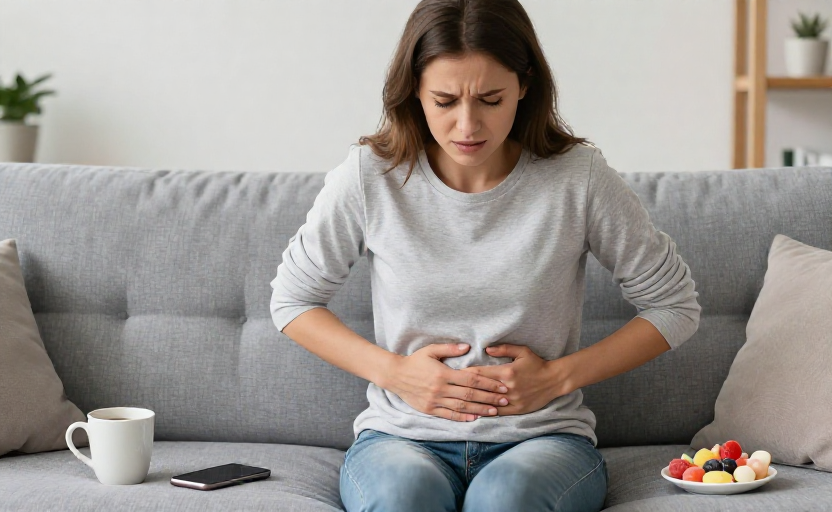
Period pain is a familiar monthly visitor for many women, but sometimes the everyday choices we make can turn manageable discomfort into more intense, chronic cramps. While some factors are out of our control, several daily habits may be quietly contributing to more severe menstrual pain without you realizing it. Understanding these triggers can help you take steps toward more comfortable cycles.
Many women assume cramping is simply a cross to bear, but the severity can often be linked to lifestyle factors that are within your power to adjust. From what you eat and drink to how you move and rest, your daily patterns play a significant role in the inflammatory processes that drive uterine cramping.
How Does Your Diet Affect Menstrual Pain?
Food is fuel, but during your period, some foods may fuel inflammation and pain. Diets high in processed foods, refined sugars, and trans fats have been shown to increase levels of prostaglandins—chemicals that cause the uterus to contract more forcefully. This can lead to more intense and longer-lasting cramps.
Consider reducing your intake of fried foods, sugary snacks, and white bread or pasta around the time of your cycle. Instead, focus on whole foods like fruits, vegetables, and lean proteins that support a more balanced inflammatory response. A gentle shift in what's on your plate may noticeably reduce the ache.
Are You Getting Enough Good Fats?
Healthy fats play a surprising role in managing period pain. Omega-3 fatty acids, found in foods like salmon, walnuts, flaxseeds, and chia seeds, have natural anti-inflammatory properties that can help reduce the severity of uterine contractions. On the other hand, too many omega-6 fatty acids (common in vegetable oils and processed snacks) can promote inflammation and worsen cramps.
If your diet leans heavily on processed convenience foods, you might be tipping that balance in a direction that encourages more pain. Making a point to include a serving of fatty fish or a handful of nuts a few times a week could make a meaningful difference over time.
Could Dehydration Be Making Cramps Worse?
Water is essential for nearly every function in your body, including muscle relaxation. When you’re even mildly dehydrated, your muscles—including the uterine muscles—may contract more tightly and painfully. Dehydration can also worsen bloating, which adds to the overall discomfort of your period.
If you tend to reach for caffeinated or sugary drinks instead of water, you may be unintentionally increasing your cramp severity. Caffeine can act as a diuretic, pulling more water out of your system, while sugar can spike inflammation. Keeping a water bottle nearby and sipping steadily throughout the day can support smoother muscle function.
Does Stress Make Period Pain More Intense?
Mental stress has a direct physical effect on your body, including your menstrual cycle. Chronic stress elevates cortisol levels, which can disrupt the balance of reproductive hormones like estrogen and progesterone. This hormonal rollercoaster can lead to more intense uterine contractions and a heightened perception of pain.
When you're stressed, you may also be more likely to reach for comfort foods or skip exercise—habits that can further fuel cramp severity. Simple stress-reduction practices like deep breathing, stretching, or even a few minutes of quiet time can help lower that inflammatory load and may make your next period feel less punishing.
Are You Moving Too Little (or Too Much)?
Exercise is a double-edged sword when it comes to period pain. Gentle movement like walking, yoga, or swimming promotes blood flow to the pelvic region, which can help relax cramped muscles and flush out pain-inducing chemicals. However, pushing yourself into high-intensity workouts when your body is already fatigued can backfire by increasing cortisol and physical strain.
If you’ve been skipping movement altogether during your period, your circulation may slow, allowing more pain to settle in. Finding a moderate middle ground—like a 20-minute walk or gentle stretching—may help more than either extreme. Listen to your body and move at a pace that feels supportive rather than punishing.
Could Sleep Quality Play a Role?
Poor sleep is more than just an annoyance—it can actually amplify pain sensitivity. During deep sleep, your body produces hormones that help regulate inflammation and repair tissues. When you’re sleep-deprived, your pain threshold may drop, making normal period cramps feel much worse.
If you’re staying up late scrolling through your phone or working through fatigue, you might be unintentionally setting yourself up for more painful days. Prioritizing a consistent bedtime and creating a calm, dark sleep environment can give your body the restorative rest it needs to handle cramps more gracefully.
Are You Skipping Magnesium-Rich Foods?
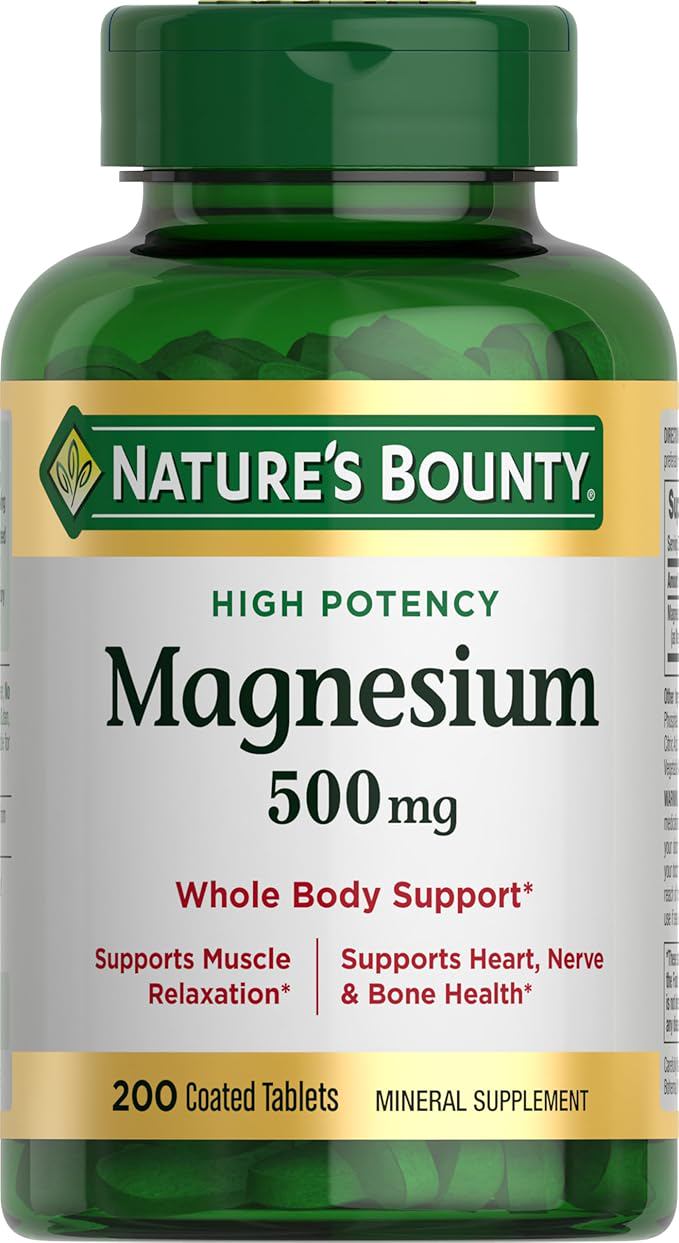
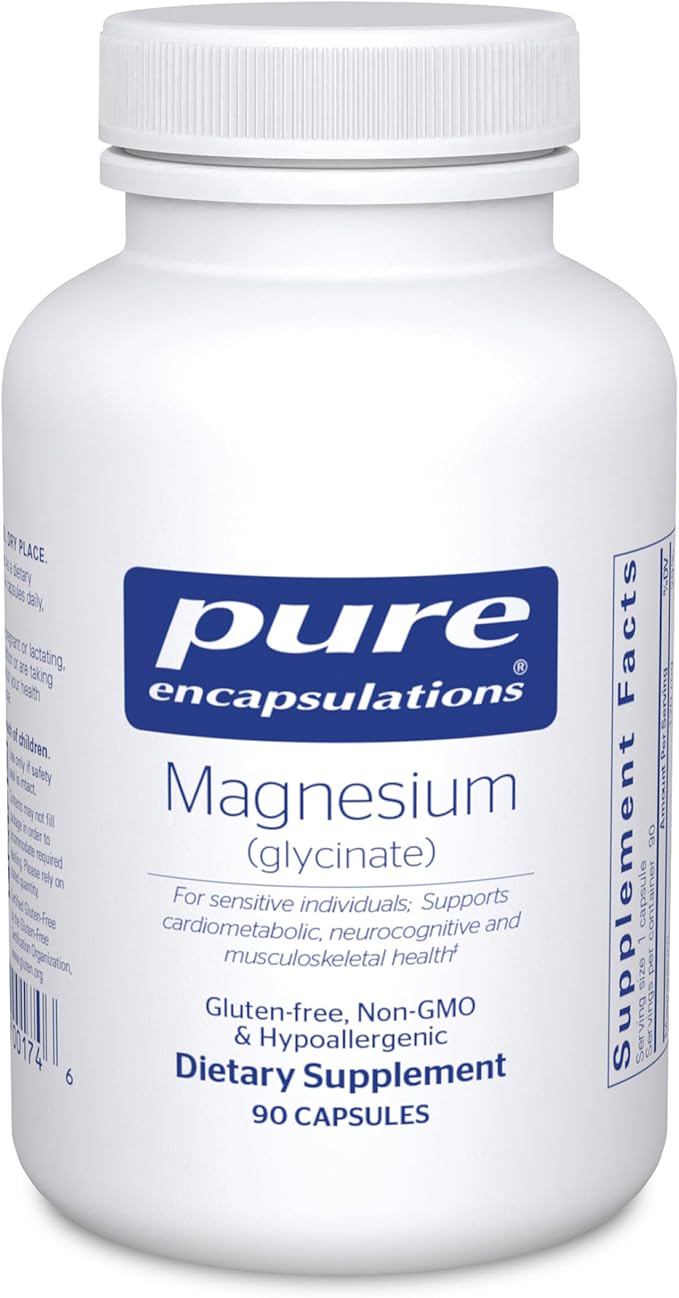
Magnesium is a mineral that plays a critical role in muscle relaxation and nerve function. When magnesium levels are low, muscles—including the uterine walls—can contract more forcefully and painfully. Studies suggest that women who consume more magnesium tend to report less severe menstrual cramps.
Foods like spinach, almonds, pumpkin seeds, bananas, and avocados are natural sources of magnesium that can be easily added to meals. If your diet is light on these greens and nuts, consider incorporating them more regularly, especially in the days leading up to your period. Small dietary adjustments can build into noticeable relief over time.
Simple Habits to Support a Smoother Cycle
- Stay hydrated with water and herbal teas. Warm beverages can also gently relax abdominal muscles.
- Incorporate more dark leafy greens, nuts, and seeds for their magnesium content.
- Choose whole foods over processed snacks to keep inflammation low.
- Aim for moderate exercise like walking, yoga, or light stretching on painful days.
- Prioritize sleep and stress management to lower overall pain sensitivity.
- Consider adding fatty fish or plant-based omega-3 sources to your weekly routine.
By examining your daily habits with a curious, non-judgmental eye, you may discover simple changes that significantly reduce the intensity of chronic menstrual cramps. Small shifts, consistently applied, can help your body find a calmer rhythm month after month.