Many people on hormonal birth control assume their periods will become lighter and less painful. While that's true for some, certain everyday habits can actually make cramps worse—counteracting the very relief you're looking for. The culprit often isn't the pill, patch, or IUD itself, but how your lifestyle interacts with your hormones.
Let's look at the daily routines that might be intensifying your pain and what you can adjust without overhauling your entire life.
Is your diet secretly fueling inflammation?
What you eat affects how your body processes hormones. For someone on birth control, certain foods can ramp up prostaglandins—the chemical messengers that cause the uterus to contract and trigger pain. When prostaglandin levels spike, so do cramps.
Foods high in salt, sugar, and unhealthy fats are the main offenders. Think processed snacks, fast food, sugary drinks, and refined carbs like white bread or pastries. These promote systemic inflammation, which can make any existing menstrual pain feel sharper.
A simple swap—like replacing a midday soda with water or swapping fries for a handful of almonds—can reduce that inflammatory load. Adding anti-inflammatory foods such as leafy greens, fatty fish, berries, and turmeric may also help keep prostaglandins in check.
Are you dehydrated on a regular basis?
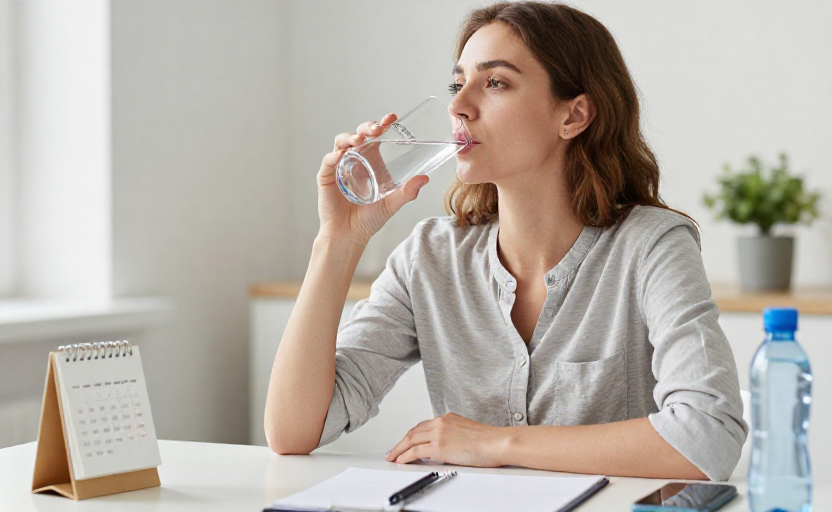
Even mild dehydration can worsen muscle cramps, and the uterus is a muscle. When you're not drinking enough water, your body holds onto sodium, which increases water retention and bloating. That bloating puts extra pressure on an already cramping pelvis.
It's especially easy to fall behind on fluids if you rely on caffeinated coffee or tea throughout the day, since caffeine acts as a mild diuretic. While you don't need to cut coffee entirely, balancing each cup with an equal amount of water can make a noticeable difference. Aim for steady hydration throughout the day—not just when you feel thirsty.
A quick tip: Keep a reusable water bottle at your desk. If it's visible, you're more likely to drink from it regularly.
Are you skipping movement because you're in pain?
It sounds counterintuitive, but resting too much during your cycle may actually make cramps worse. When you're sedentary, blood flow to the pelvic region slows, and muscles can tighten up. This includes the uterine muscles, which need good circulation to relax between contractions.
Gentle movement—like walking, stretching, or yoga—encourages blood flow and releases endorphins, which are natural pain relievers. Even 10 to 15 minutes of light activity on your worst day can help. On birth control, maintaining regular exercise throughout the month, not just during your period, can stabilize hormone levels and reduce the severity of future cramps.
Could your sleep schedule be working against you?
Sleep and pain have a two-way relationship. Poor sleep lowers your pain tolerance, and more pain makes it harder to sleep. For someone on hormonal birth control, inconsistent sleep can also throw off cortisol and melatonin rhythms, which in turn affect how your body responds to prostaglandins.
If you're routinely sleeping less than seven hours or going to bed at wildly different times, you may be more sensitive to cramping. Creating a consistent wind-down routine—dimming lights, putting away screens an hour before bed, keeping your room cool—can improve sleep quality. This isn't just about feeling rested; it's about giving your nervous system a chance to regulate pain signals.
Are you relying too much on over-the-counter painkillers?
Nonsteroidal anti-inflammatory drugs (NSAIDs) like ibuprofen are effective for cramps, but using them too frequently can mask the underlying triggers. If you reach for painkillers every cycle, you might not notice that your diet, hydration, or stress levels are making things worse.
Moreover, daily NSAID use over long periods can irritate the stomach lining and affect kidney function. It's smarter to use them sparingly and focus on lifestyle habits that address the root causes. If you find yourself needing pain relief more than a few days per cycle, talk to your healthcare provider—they can check whether your current birth control method is the best fit.
Small shifts, real relief
You don't need to change everything at once. Pick one habit—maybe drinking more water or adding a short walk to your evening routine—and stick with it for a few cycles. Many people find that subtle adjustments in daily life have a bigger impact on menstrual pain than they expected. Birth control can be a powerful tool, but it works best when your daily habits support, rather than undermine, your hormonal balance.