Reaching for a heating pad or an over-the-counter pain reliever is a natural first response to aches and pains. These simple tools are staples in home care for everything from menstrual cramps to muscle strains. Yet, in our search for quick comfort, it’s surprisingly easy to make small errors that reduce their effectiveness or, in some cases, create new risks.
Using heat and OTC medication correctly isn't just about following the directions on the box. It's about understanding how they work with your body's own healing processes. A misstep with timing, placement, or combination can turn a helpful remedy into a source of frustration or even injury. Let's walk through the most common pitfalls so you can use these trusted methods with greater confidence and safety.
Mistakes When Using Heat Therapy
Heat is wonderful for relaxing tight muscles and soothing stiff joints. It works by increasing blood flow, which delivers oxygen and nutrients to the area. However, its application requires a bit more nuance than simply "hotter is better."
Using Heat on Acute Injuries or Inflammation
This is perhaps the most significant error. Heat applied to a fresh injury—like a new sprain, strain, or bruise—can increase swelling and inflammation, potentially slowing down recovery. Heat dilates blood vessels, which is the opposite of what you want in the first 48 to 72 hours after an injury.
Remember the simple rule: ice for new, hot, swollen injuries; heat for chronic, stiff, achy pains.
Applying Excessive Heat for Too Long
More is not always better. Using a heating pad on its highest setting or leaving it on for hours can lead to:
- Thermal burns: Even on a moderate setting, prolonged direct contact can damage skin.
- Increased inflammation: Paradoxically, too much heat can exacerbate swelling in some conditions.
- Skin irritation: Redness, dryness, or a mottled "toasted skin syndrome" pattern can develop.
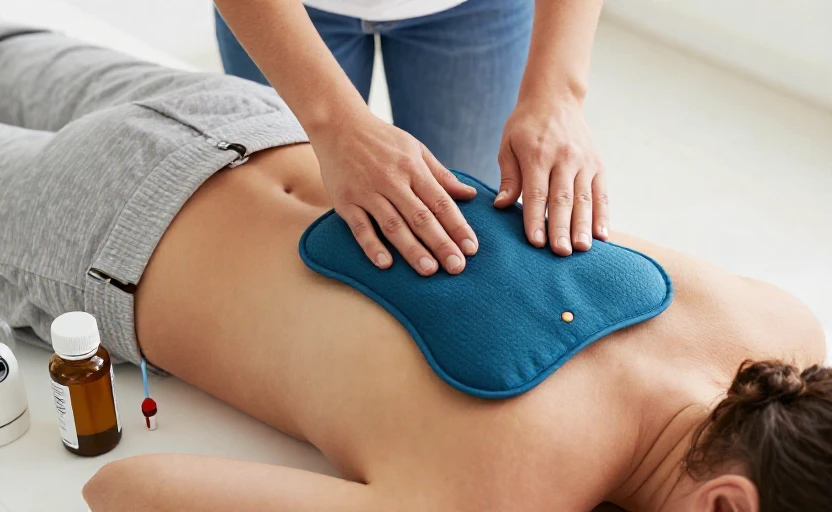
Aim for warm, comfortable heat, not scorching. Limit sessions to 15-20 minutes at a time, and always place a cloth barrier between the heat source and your skin.
Falling Asleep with a Heating Pad
It's a cozy but risky habit. When you're asleep, you can't feel the sensation building from warm to dangerously hot. Modern heating pads with auto-shutoff features are safer, but the safest practice is to never use one while you are drowsy or likely to fall asleep.
Mistakes When Using Over-the-Counter Pain Relievers
OTC pain relievers like ibuprofen, naproxen, and acetaminophen are powerful tools, but they are not without their own complexities. Treating them as harmless can lead to unintended consequences.
Not Reading or Following the Label
It sounds obvious, but many of us take a "more must be better" approach when pain persists. Exceeding the recommended dose or frequency does not provide extra relief—it significantly raises the risk of side effects. Liver damage from excessive acetaminophen or stomach bleeding and kidney issues from overuse of NSAIDs like ibuprofen are serious concerns. The dosage on the label is the maximum safe amount for a healthy adult in a 24-hour period.
Mixing Medications Unknowingly
Acetaminophen is a common hidden ingredient in many multi-symptom cold, flu, and sinus medications. If you take a separate dose of acetaminophen for a headache while also using a flu medicine that contains it, you can easily double or triple your intake without realizing it. Always check the "Active Ingredients" list of any other medication you are taking.
Using the Wrong Type for Your Pain
Not all pain relievers work the same way. Using the wrong one can mean ineffective relief.
- NSAIDs (ibuprofen, naproxen): These are anti-inflammatories. They are typically more effective for pain caused by inflammation, like muscle sprains, arthritis flare-ups, or menstrual cramps.
- Acetaminophen: This is not an anti-inflammatory. It works on pain perception and fever and is often better for headaches, general aches, or pain where inflammation isn't the primary cause.
If one type isn't working, switching to the other class (after ensuring it's safe for you) might be more effective than just taking more of the first.
Ignoring Personal Health Contraindications
These medications are not universally safe. Chronic health conditions can make certain OTC pills risky.
For instance, NSAIDs can raise blood pressure, interfere with some heart and kidney medications, and irritate the stomach lining—a particular concern for those with a history of ulcers. Acetaminophen must be used with extreme caution by anyone with liver concerns or who consumes alcohol regularly. A quick conversation with a pharmacist can help you choose the safest option for your personal health profile.
Combining Heat and Medication: A Coordinated Approach
Used together wisely, heat and OTC medication can be a powerful duo. The mistake is using them haphazardly instead of strategically.
For chronic muscle or joint pain, consider this sequence: take your recommended dose of an anti-inflammatory (if appropriate and safe for you), then apply gentle heat about 30-60 minutes later. This allows the medication to begin reducing inflammation systemically while the heat locally relaxes the muscle and improves circulation. The combination often provides more complete relief than either method alone.
Avoid the trap of using heat to mask pain so you can overexert an injured area, or taking extra pills because the heat isn't "working fast enough." They are partners in supporting your body's healing, not tools to override its warning signals.
When to Pause and Seek Advice
Self-care has its limits. If you find yourself relying on heat and OTC pain relievers consistently for more than 10 days, or if the pain is severe, worsening, or accompanied by new symptoms like numbness, weakness, or fever, it's time to consult a healthcare provider. Persistent pain is your body's signal that something needs professional evaluation.
By sidestepping these common errors, you transform heat and OTC pain relief from blunt instruments into precise, safe, and effective components of your wellness toolkit. It’s about working with your body’s wisdom, not against it, to find genuine and lasting comfort.